- Physical Examination
- Surgical Examination
- Ophthalmology
- Clinical Skills
- Orthopedics
- Surgery Videos
- Laparoscopy
- Pediatrics
- Funny Videos
- Cardiothoracic Surgery
- Nursing Videos
- Plastic Surgery
- Otorhinolaryngology
- Histology and Histopathology
- Neurosurgery
- Dermatology
- Pediatric Surgery
- Urology
- Dentistry
- Oncology and Cancers
- Anatomy Videos
- Health and Fitness
- Radiology
- Anaesthesia
- Physical Therapy
- Pharmacology
- Interventional Radiology
- Cardiology
- Endocrinology
- Gynecology
- Emergency Medicine
- Psychiatry and Psychology
- Childbirth Videos
- General Medical Videos
- Nephrology
- Physiology
- Diet and Food Health
- Diabetes Mellitus
- Neurology
- Women Health
- Osteoporosis
- Gastroenterology
- Pulmonology
- Hematology
- Rheumatology
- Toxicology
- Nuclear Medicine
- Infectious Diseases
- Vascular Disease
- Reproductive Health
- Burns and Wound Healing
- Kidney Zone Podcast
- Other
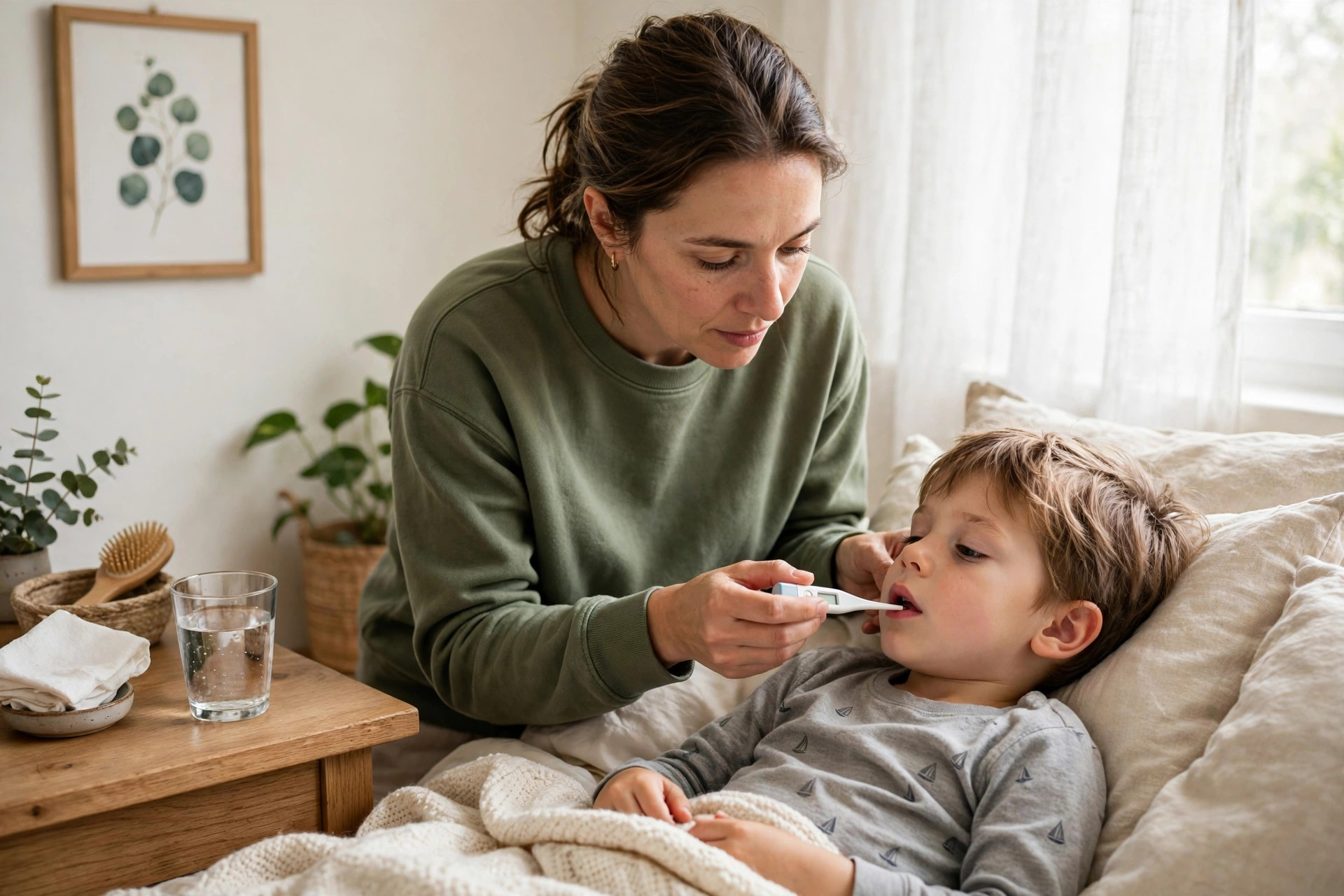
Fever in Children — Home Care and Warning Signs
What to do
- Measure the temperature if you can, but treat the child, not the number: how they behave, drink, breathe and respond matters more than the thermometer reading.
- Dress the child in light clothing and keep the room comfortably cool — do not over-wrap, but do not use cold baths, fans on bare skin or alcohol rubs either.
- Offer fluids little and often — water, usual milk feeds, or oral rehydration for vomiting/diarrhoea — and watch for wet nappies and tears as signs of hydration.
- Children's fever medicine (paracetamol/acetaminophen or ibuprofen products for children) can be used as directed on the packet to make the child more comfortable — it does not need to be given just to hit a target number.
- Check on the child regularly, including through the night, and watch for warning signs (see below) rather than the temperature alone.
- Keep a note of the temperature, symptoms and any medicines given and when — this helps clinicians if you seek advice.
What NOT to do
- Do not use aspirin in children (risk of Reye's syndrome).
- Do not bundle a feverish child in heavy blankets, and do not chill them with cold water or ice baths.
- Do not alternate fever medicines routinely unless a clinician advises a plan.
- Do not delay seeking help for a young baby with fever while trying home remedies.
When to get medical care
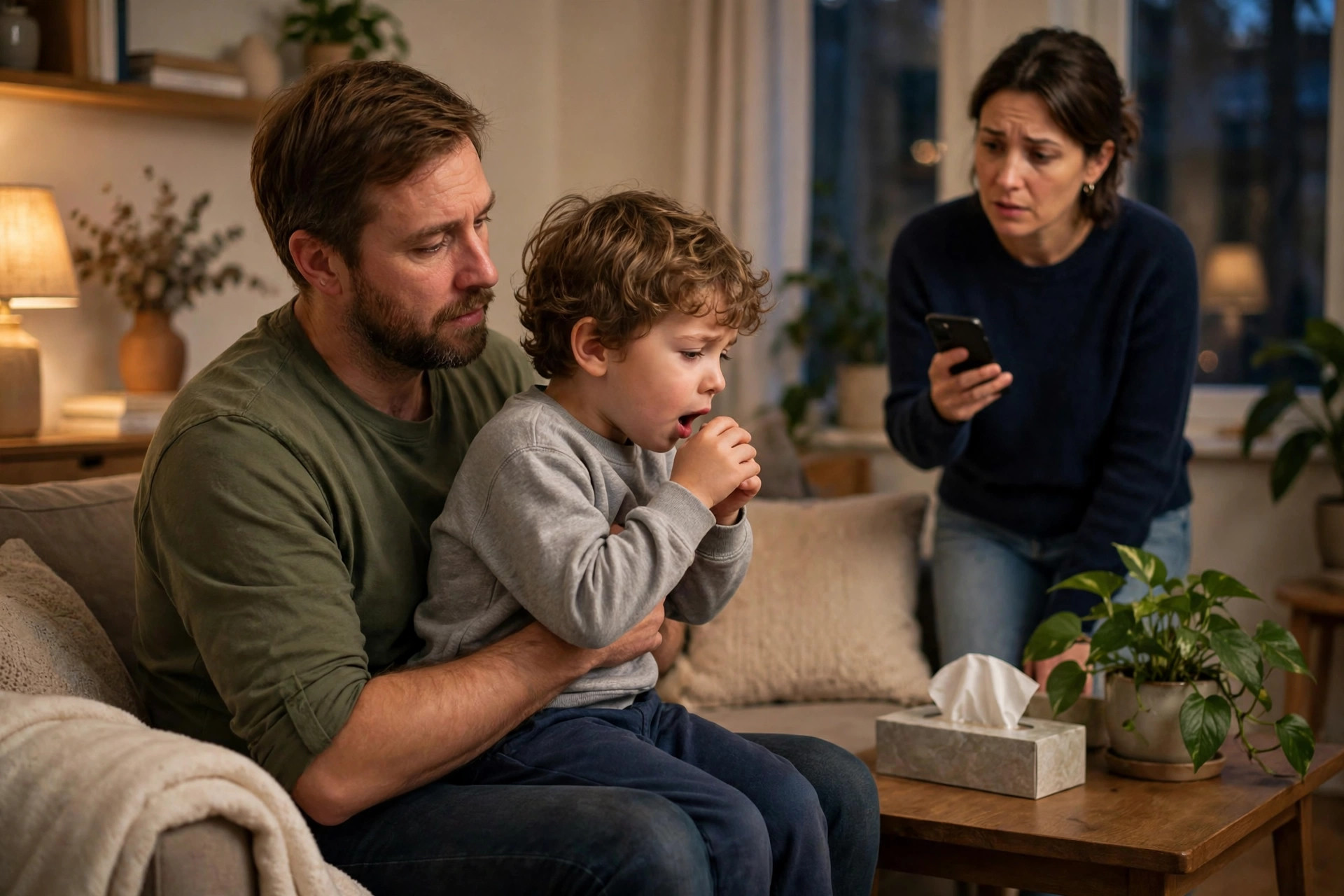
Seek urgent medical advice for: any baby under 3 months with a temperature of 38 C (100.4 F) or above; a baby 3 to 6 months with a temperature of 39 C (102.2 F) or above; a child who is drowsy, hard to wake, floppy, not drinking, has a dry mouth or no wet nappies, a non-fading rash (see Meningitis), breathing difficulty, a seizure, a bulging soft spot, or fever lasting more than about 5 days. Trust your instinct — parents know when an illness is different.
Related symptoms
Frequently asked questions
How high a fever is dangerous in a child?
The height of the fever alone is a poor guide in children over 6 months — behaviour, hydration, breathing and response to medicine matter more. In babies under 3 months, any fever of 38 C or above needs urgent assessment because their immune systems are immature.
Should I wake a sleeping feverish child to give medicine?
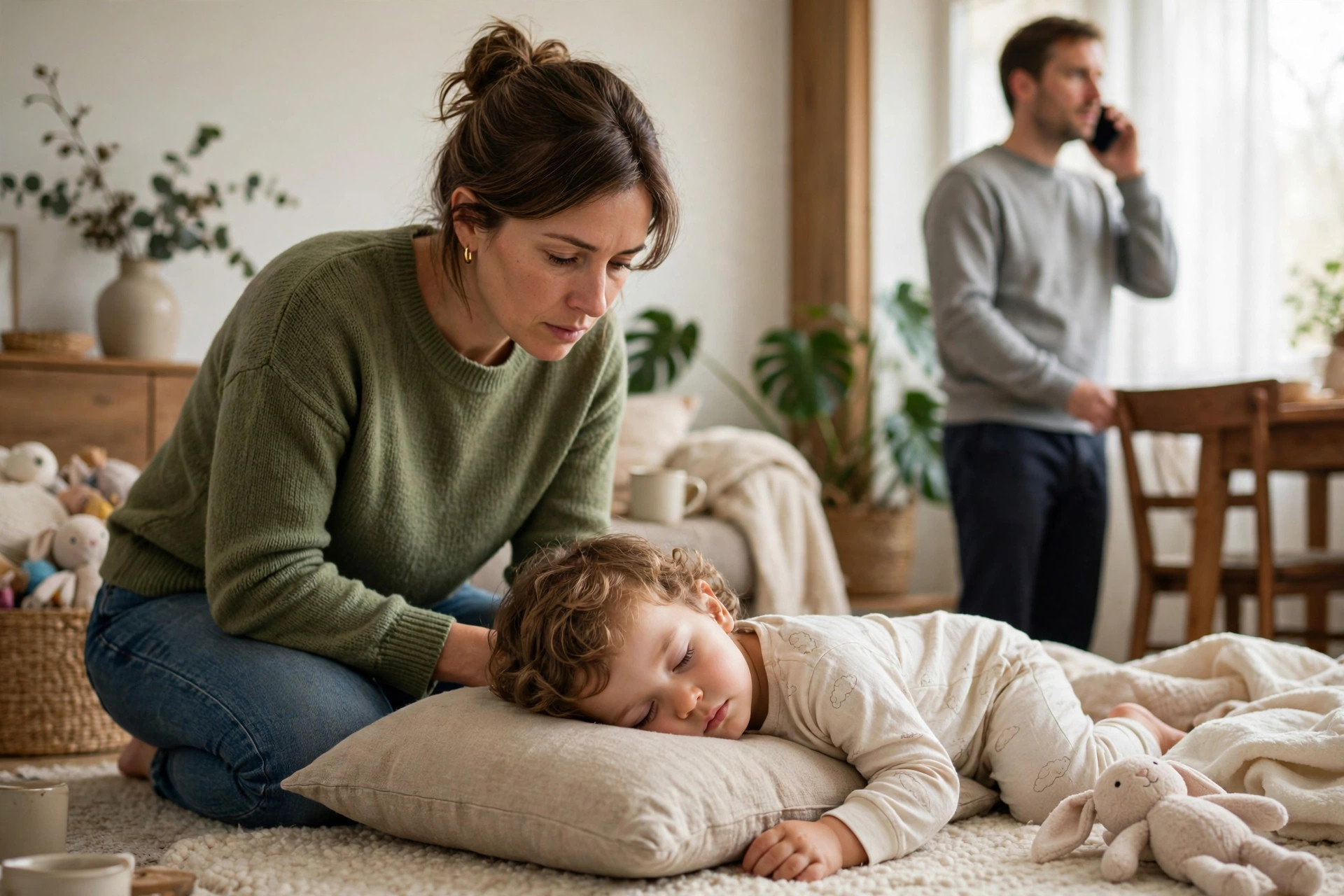
Generally no — sleep is restorative, and fever medicine is for comfort, not a schedule to keep at all costs. Check on them regularly; if they wake uncomfortable, offer fluids and medicine as directed. A child who cannot be roused needs urgent help.
In an emergency, call 911 (or your local emergency number) first — do not delay a call to read a guide. These pages are educational first-aid information in general terms; they are not a substitute for emergency services, first-aid training, or assessment by a qualified clinician.