
- Physical Examination
- Surgical Examination
- Ophthalmology
- Clinical Skills
- Orthopedics
- Surgery Videos
- Laparoscopy
- Pediatrics
- Funny Videos
- Cardiothoracic Surgery
- Nursing Videos
- Plastic Surgery
- Otorhinolaryngology
- Histology and Histopathology
- Neurosurgery
- Dermatology
- Pediatric Surgery
- Urology
- Dentistry
- Oncology and Cancers
- Anatomy Videos
- Health and Fitness
- Radiology
- Anaesthesia
- Physical Therapy
- Pharmacology
- Interventional Radiology
- Cardiology
- Endocrinology
- Gynecology
- Emergency Medicine
- Psychiatry and Psychology
- Childbirth Videos
- General Medical Videos
- Nephrology
- Physiology
- Diet and Food Health
- Diabetes Mellitus
- Neurology
- Women Health
- Osteoporosis
- Gastroenterology
- Pulmonology
- Hematology
- Rheumatology
- Toxicology
- Nuclear Medicine
- Infectious Diseases
- Vascular Disease
- Reproductive Health
- Burns and Wound Healing
- Kidney Zone Podcast
- Other
Contrast and Your Kidneys
If you have kidney disease, being booked for a scan 'with contrast' can sound alarming. This page explains — in plain language — how CT and MRI contrast interacts with the kidneys, what checks and precautions are standard, and what to tell the imaging team.
✓ Medically reviewed by Dr. Mohamed Ibrahim, MD, PhD — physician-scientist · Last reviewed: November 2026
Watch: Contrast and Your Kidneys videos
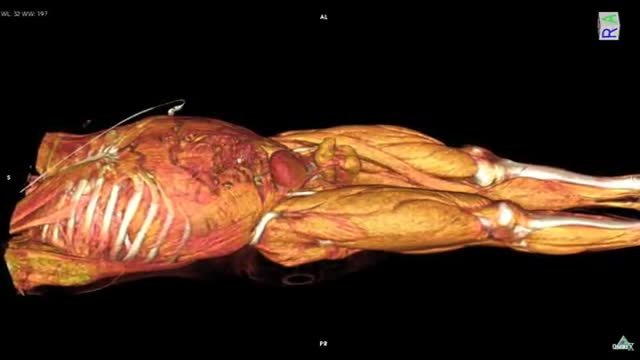 Whole Body CT scan with contrast media HD31,086 views
 Kidney Function in Filtering Contrast5,589 views
Guide
What it is
Two kinds of contrast are used in imaging. CT and angiography use iodine-based contrast, injected into a vein or artery; the kidneys filter it out into the urine over the following hours. MRI uses gadolinium-based contrast, also cleared mainly by the kidneys. In people with healthy kidneys both are considered safe. When kidney function is reduced, iodinated contrast has been linked to a temporary worsening of kidney function in some patients — called contrast-associated acute kidney injury — and certain older gadolinium agents were linked to a rare scarring condition, which is why kidney function is checked and the agent chosen carefully.
What it shows
Understanding the trade-off starts with what contrast adds. With contrast, CT shows tumours, inflammation, infection, and blood vessels far more clearly; without it, some of these are invisible or ambiguous — a scan without needed contrast can mean a missed or delayed diagnosis, which carries its own risks. For MRI, gadolinium highlights inflammation, tumours, and vessel problems. The imaging team's job — and your kidney team's — is to balance a small, manageable risk to the kidneys against the risk of an unclear scan when the answer matters.
How to prepare
The most helpful thing you can do is tell the team early: that you have kidney disease, a transplant, or dialysis, and list your medicines. Expect a recent kidney blood test (creatinine, reported as eGFR) to be checked before contrast is given. You may be given fluids through a drip before and after the scan to support the kidneys, and you will be encouraged to drink afterwards unless you are on a fluid restriction. You may be asked to pause certain medicines — such as metformin or some blood-pressure tablets — around the scan; only pause what you are specifically told to pause, and restart when told.
What the report words mean
Reports and letters around contrast scans use kidney vocabulary worth knowing. 'Baseline creatinine' is your usual kidney blood-test level, against which any change is judged. 'Contrast-associated kidney injury' describes a rise in creatinine in the days after contrast — it usually recovers, and it can also be caused by the illness that prompted the scan rather than the dye itself. 'eGFR' is the estimated filtration rate used to grade kidney function. 'Prophylaxis' in this context means preventive fluids. 'Non-contrast study' simply records that no dye was given, usually deliberately.
Common questions
I have kidney disease. Can I still have a CT with contrast?
In most cases, yes — with planning. The team will check your kidney function first, use the smallest reasonable amount of contrast, and often give extra fluids around the scan. For many kidney patients the benefit of an accurate diagnosis outweighs the risk, and modern evidence suggests the risk from intravenous CT contrast is smaller than was once feared. Your nephrologist can advise for your situation.
What should I tell the imaging team?
Tell the booking team as early as you can, not on the day. Mention it when the scan is requested: the referral should note your kidney function, dialysis, transplant, and medicines. This lets the imaging team check blood results, plan fluids or timing around dialysis, and choose the safest contrast type and amount before you arrive.
I am on dialysis. Does the dye need to come out urgently?
Dialysis removes contrast from the blood, so the scan can be scheduled on a dialysis day and the contrast cleared at the next session — there is no need for an emergency extra session just for the dye. Your kidney unit and the imaging department will coordinate the timing between them.
Is MRI contrast (gadolinium) safer for kidneys than CT contrast?
Gadolinium contrast is generally avoided or used with great care in people with severely reduced kidney function because of a rare but serious condition called nephrogenic systemic fibrosis, which was linked mainly to older types of gadolinium agents. Modern agents have a much lower risk, but the team will still check your kidney function and may choose a non-contrast MRI or a different test.
More in Angiography & Interventional
Related
Sources
- Contrast Dye and the Kidneys (National Kidney Foundation)
- FDA Drug Safety Communication: Gadolinium-based Contrast Agents (US Food & Drug Administration)
- CT scan (MedlinePlus Medical Encyclopedia)
- Abdominal and Pelvic CT (RadiologyInfo.org (RSNA/ACR))
This guide is general information, not medical advice, and does not replace advice from your own clinician. How a scan is done, and whether contrast is used, depends on your own medical history — always follow the instructions of the team performing your scan, and tell them about kidney problems, allergies, implants, and the medicines you take. Never stop prescribed medicines, dialysis, or fluid plans because of a scan without asking your own kidney team first — their advice overrides general information like this page.