
- Physical Examination
- Surgical Examination
- Ophthalmology
- Clinical Skills
- Orthopedics
- Surgery Videos
- Laparoscopy
- Pediatrics
- Funny Videos
- Cardiothoracic Surgery
- Nursing Videos
- Plastic Surgery
- Otorhinolaryngology
- Histology and Histopathology
- Neurosurgery
- Dermatology
- Pediatric Surgery
- Urology
- Dentistry
- Oncology and Cancers
- Anatomy Videos
- Health and Fitness
- Radiology
- Anaesthesia
- Physical Therapy
- Pharmacology
- Interventional Radiology
- Cardiology
- Endocrinology
- Gynecology
- Emergency Medicine
- Psychiatry and Psychology
- Childbirth Videos
- General Medical Videos
- Nephrology
- Physiology
- Diet and Food Health
- Diabetes Mellitus
- Neurology
- Women Health
- Osteoporosis
- Gastroenterology
- Pulmonology
- Hematology
- Rheumatology
- Toxicology
- Nuclear Medicine
- Infectious Diseases
- Vascular Disease
- Reproductive Health
- Burns and Wound Healing
- Kidney Zone Podcast
- Other
CT scan — abdomen and pelvis
Category: Imaging & Scans · All imaging & scans
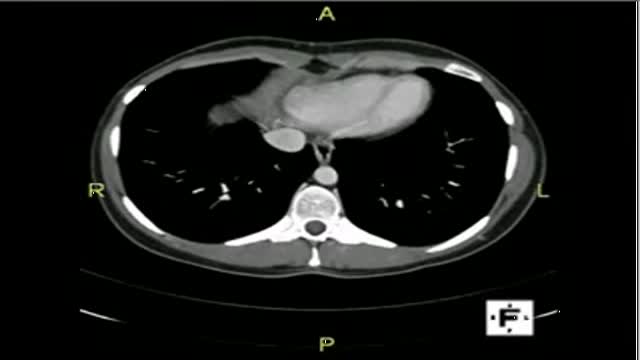
What it is
A CT scan of the abdomen and pelvis creates detailed cross-section images of the bowel, liver, kidneys, pancreas, bladder and other organs in the belly and pelvis.
Why it is done
It is commonly used to investigate ongoing abdominal pain, unexplained weight loss, blood in the urine or stool, suspected appendicitis or kidney stones, and to plan or follow up treatment.
How to prepare
You may be asked not to eat for a few hours beforehand, and sometimes to drink a special contrast liquid before the scan so the bowel shows up clearly. Tell the team about allergies, diabetes medicines and kidney problems.
What happens during the procedure
You lie on a table that slides through the scanner ring. Pictures take a few seconds each and the whole visit usually lasts 20 to 30 minutes. Contrast dye injected into a vein can cause a brief warm feeling and a metallic taste.
Afterwards — recovery & results
Most people go home the same day and can eat and drink normally. The radiologist's report is sent to your doctor, usually within a few days.
Risks & considerations
There is a higher radiation dose than a plain X-ray. Contrast dye occasionally causes an allergic-type reaction and is used carefully in people with kidney problems. Very occasionally the scan is inconclusive and another test is recommended.
Watch: CT scan — abdomen and pelvis videos
Real procedure videos from the MedicalVideos.com library. Some clinical footage is graphic — that is the nature of a medical video library.
Related guides on MedicalVideos.com
Frequently asked questions
Why do I have to drink contrast liquid?
The drink outlines the stomach and bowel so they can be told apart from other structures and so problems in the bowel wall are easier to see.
How soon will I know the result?
Urgent scans are often reported the same day; routine outpatient scans are usually reported within a few days and discussed at your follow-up.
Related procedures — Imaging & Scans
Browse the C section of the A–Z list or return to the Procedures & Tests hub.