
- Physical Examination
- Surgical Examination
- Ophthalmology
- Clinical Skills
- Orthopedics
- Surgery Videos
- Laparoscopy
- Pediatrics
- Funny Videos
- Cardiothoracic Surgery
- Nursing Videos
- Plastic Surgery
- Otorhinolaryngology
- Histology and Histopathology
- Neurosurgery
- Dermatology
- Pediatric Surgery
- Urology
- Dentistry
- Oncology and Cancers
- Anatomy Videos
- Health and Fitness
- Radiology
- Anaesthesia
- Physical Therapy
- Pharmacology
- Interventional Radiology
- Cardiology
- Endocrinology
- Gynecology
- Emergency Medicine
- Psychiatry and Psychology
- Childbirth Videos
- General Medical Videos
- Nephrology
- Physiology
- Diet and Food Health
- Diabetes Mellitus
- Neurology
- Women Health
- Osteoporosis
- Gastroenterology
- Pulmonology
- Hematology
- Rheumatology
- Toxicology
- Nuclear Medicine
- Infectious Diseases
- Vascular Disease
- Reproductive Health
- Burns and Wound Healing
- Kidney Zone Podcast
- Other
DEXA Scan (Bone Density)
A DEXA scan is the standard test for osteoporosis — a quick, painless measurement of bone density at the hip and spine. This page explains what the T-score means, who is offered the test, and how results guide treatment, in plain language with videos.
✓ Medically reviewed by Dr. Mohamed Ibrahim, MD, PhD — physician-scientist · Last reviewed: November 2026
Watch: DEXA Scan (Bone Density) videos
Guide
What it is
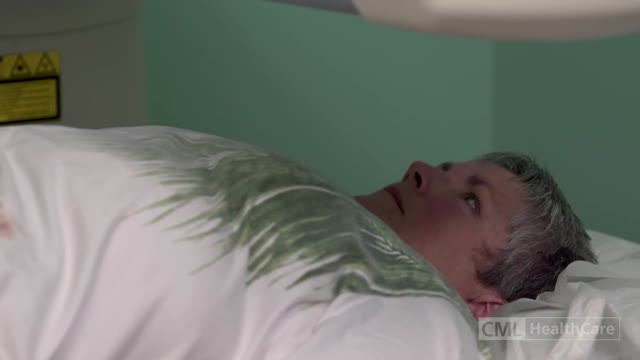
You lie on your back on a padded table, fully clothed unless metal fastenings interfere, while a scanning arm passes slowly over you without touching you. Two low-energy X-ray beams are used, and comparing how much of each is absorbed lets the machine separate bone from soft tissue and calculate density precisely. The scan is silent and painless, and the hip and spine measurements together usually take somewhere between ten and twenty minutes. There is no enclosed tunnel and no injection.
What it shows
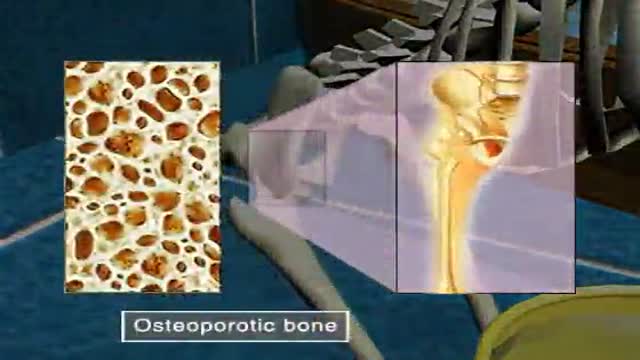
DEXA measures the density of the hip and lower spine — the sites where osteoporotic fractures matter most — and sometimes the forearm. It detects bone loss long before a fracture happens, confirms or excludes osteoporosis in people who have had a fragility fracture, and monitors whether treatment is working. It cannot judge bone quality, shape, or fall risk, which also determine fractures, and it does not diagnose the cause of bone loss — blood tests and history do that. Standard X-rays only show bone loss once it is far advanced, which is why DEXA is used instead.
How to prepare
DEXA needs almost no preparation. You can eat and drink normally and take your medicines, though some departments ask you to avoid calcium supplements on the day. Wear clothes without metal zips, buttons, or underwired bras over the hip and spine area, or you will be given a gown. Tell the team about recent scans using barium or contrast dye, and any previous hip or spine surgery or fractures, as these can distort the readings and may mean a different site — such as the forearm — is measured instead.
What the report words mean
The key figure is the T-score, explained in the questions below. 'Osteopenia' means bone density below normal but not yet in the osteoporosis range — a warning zone where lifestyle measures and monitoring are the usual response. 'FRAX' is a fracture-risk estimate sometimes calculated alongside DEXA, combining the density result with age, weight, previous fractures, smoking, and other factors to estimate the chance of a fracture over the coming years. Reports also give the actual density value and compare it with your previous scans: 'no significant change' is a common and reassuring phrase.
Common questions
What is a T-score?
A T-score compares your bone density with that of a healthy young adult. A score of minus 1 or above is normal; between minus 1 and minus 2.5 is called osteopenia (thinning); and minus 2.5 or lower is osteoporosis. These cut-offs are the standard World Health Organization definitions used worldwide, and they are the main numbers quoted in DEXA reports.
What is a Z-score, and why are there two scores?
A Z-score compares you with people of your own age rather than young adults. It is mainly used in younger patients, where a much-lower-than-expected score for age can prompt a search for an underlying cause of bone loss, such as a hormone problem, coeliac disease, or medication effects.
How often should DEXA be repeated?
Because bone density changes slowly, repeating too soon shows only measurement noise. Repeat scans are usually spaced a few years apart, or timed to treatment reviews, unless there is a specific reason — such as starting steroids or a recent fracture — to check sooner. Your clinician will advise on timing.
Is the radiation dose high?
The radiation dose from a DEXA scan is very low — much lower than a standard X-ray — because the test only needs to measure how much of a fine beam is absorbed. It is considered safe to repeat when clinically needed, though, like all X-ray tests, it is still only done for a reason.
More in Mammography & Bone Density
Related
Sources
- Bone Density Scan (DEXA) (RadiologyInfo.org (RSNA/ACR))
- DEXA scan (NHS)
- Bone mineral density test (MedlinePlus Medical Encyclopedia)
This guide is general information, not medical advice, and does not replace advice from your own clinician. How a scan is done, and whether contrast is used, depends on your own medical history — always follow the instructions of the team performing your scan, and tell them about kidney problems, allergies, implants, and the medicines you take. A DEXA result is one part of fracture-risk assessment; treatment decisions also depend on age, previous fractures, and other risk factors your clinician will weigh.