
- Physical Examination
- Surgical Examination
- Ophthalmology
- Clinical Skills
- Orthopedics
- Surgery Videos
- Laparoscopy
- Pediatrics
- Funny Videos
- Cardiothoracic Surgery
- Nursing Videos
- Plastic Surgery
- Otorhinolaryngology
- Histology and Histopathology
- Neurosurgery
- Dermatology
- Pediatric Surgery
- Urology
- Dentistry
- Oncology and Cancers
- Anatomy Videos
- Health and Fitness
- Radiology
- Anaesthesia
- Physical Therapy
- Pharmacology
- Interventional Radiology
- Cardiology
- Endocrinology
- Gynecology
- Emergency Medicine
- Psychiatry and Psychology
- Childbirth Videos
- General Medical Videos
- Nephrology
- Physiology
- Diet and Food Health
- Diabetes Mellitus
- Neurology
- Women Health
- Osteoporosis
- Gastroenterology
- Pulmonology
- Hematology
- Rheumatology
- Toxicology
- Nuclear Medicine
- Infectious Diseases
- Vascular Disease
- Reproductive Health
- Burns and Wound Healing
- Kidney Zone Podcast
- Other
DEXA bone density scan
Category: Imaging & Scans · All imaging & scans
What it is
A DEXA (dual-energy X-ray absorptiometry) scan measures bone density using very low-dose X-rays, usually at the hip and spine. The result helps assess bone strength and the risk of fractures.
Why it is done
It is used to diagnose and monitor osteoporosis, and to check bone health in people with risk factors such as long-term steroid use, early menopause or previous low-impact fractures.
How to prepare
Wear comfortable clothes without metal fasteners or underwired bras if possible. You may be asked about calcium supplements, which are sometimes paused briefly beforehand. Tell the team about recent scans that used contrast or barium.
What happens during the procedure
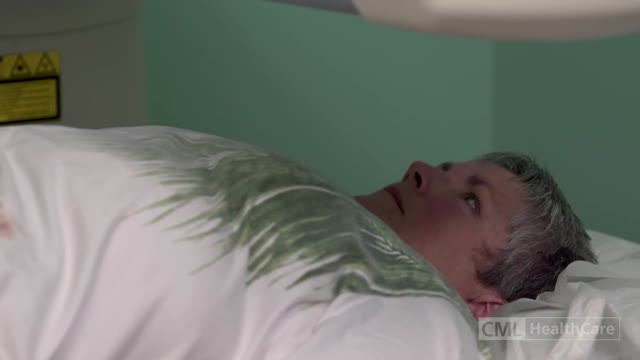
You lie on your back on an open, padded table while a scanning arm passes slowly over you. It is painless, quiet and takes about 10 to 20 minutes. You need to keep still but breathe normally.
Afterwards — recovery & results
You can leave immediately and carry on as normal. Your result (often expressed as a T-score) is sent to your doctor, who will explain what it means and whether treatment or lifestyle measures are advised.
Risks & considerations
The radiation dose is very low — much lower than a standard X-ray. The scan measures density only, so your doctor interprets it together with your age, history and other fracture risk factors.
Watch: DEXA bone density scan videos
Real procedure videos from the MedicalVideos.com library. Some clinical footage is graphic — that is the nature of a medical video library.
Related guides on MedicalVideos.com
Frequently asked questions
What is a T-score?
It compares your bone density with that of a healthy young adult. Scores in the normal range are reassuring; lower scores indicate thinner bones (osteopenia) or osteoporosis, which your doctor will explain in context.
How often should a DEXA scan be repeated?
Usually not more often than every couple of years, because bone density changes slowly. Your doctor will advise based on your result and treatment.
Related procedures — Imaging & Scans
Browse the D section of the A–Z list or return to the Procedures & Tests hub.