
- Physical Examination
- Surgical Examination
- Ophthalmology
- Clinical Skills
- Orthopedics
- Surgery Videos
- Laparoscopy
- Pediatrics
- Funny Videos
- Cardiothoracic Surgery
- Nursing Videos
- Plastic Surgery
- Otorhinolaryngology
- Histology and Histopathology
- Neurosurgery
- Dermatology
- Pediatric Surgery
- Urology
- Dentistry
- Oncology and Cancers
- Anatomy Videos
- Health and Fitness
- Radiology
- Anaesthesia
- Physical Therapy
- Pharmacology
- Interventional Radiology
- Cardiology
- Endocrinology
- Gynecology
- Emergency Medicine
- Psychiatry and Psychology
- Childbirth Videos
- General Medical Videos
- Nephrology
- Physiology
- Diet and Food Health
- Diabetes Mellitus
- Neurology
- Women Health
- Osteoporosis
- Gastroenterology
- Pulmonology
- Hematology
- Rheumatology
- Toxicology
- Nuclear Medicine
- Infectious Diseases
- Vascular Disease
- Reproductive Health
- Burns and Wound Healing
- Kidney Zone Podcast
- Other
Barium swallow and meal
Category: Imaging & Scans · All imaging & scans
What it is
A barium swallow or barium meal is an X-ray examination in which you drink a white, chalky liquid containing barium so the gullet, stomach and upper bowel show up clearly on moving X-ray pictures (fluoroscopy).
Why it is done
It is used to investigate difficulty swallowing, reflux, persistent heartburn or upper abdominal symptoms, and to look at the shape and movement of the upper digestive tract.
How to prepare
You will usually be asked not to eat or drink for several hours beforehand. Tell the team about allergies, swallowing difficulties and any medicines, and if you might be pregnant.
What happens during the procedure
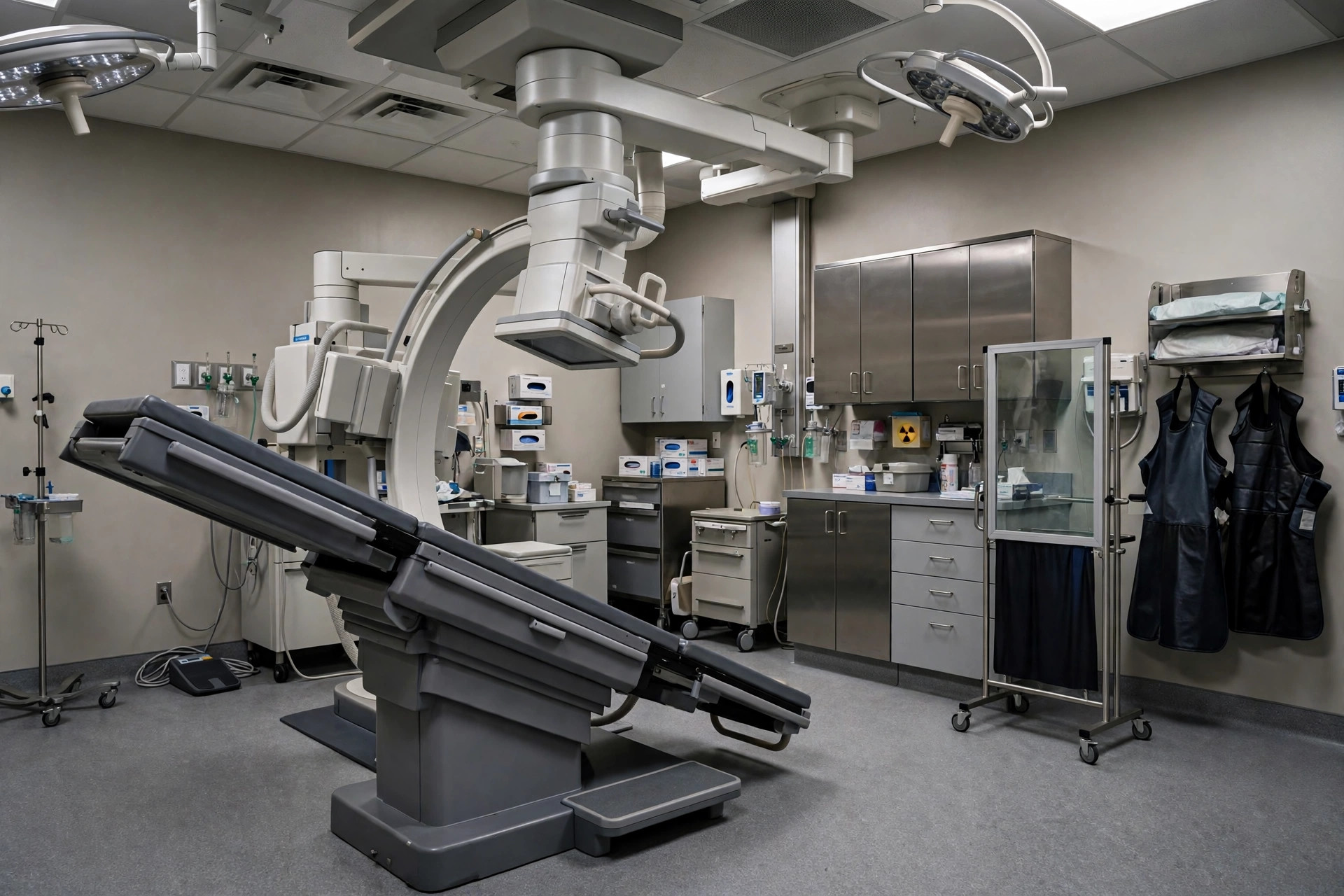
You stand or lie on a tilting X-ray table and drink the barium in sips while the radiologist watches it pass down on a screen and takes pictures. You may also be given fizzy granules to produce gas that improves the view. It usually takes 15 to 30 minutes.
Afterwards — recovery & results
You can usually eat and drink normally afterwards. Barium can make stools pale and cause constipation for a day or two, so drinking extra water helps. The report goes to your doctor.
Risks & considerations
Risks include the radiation dose, and a small chance of barium going down the wrong way if you have swallowing problems — the team watches carefully for this. Barium is avoided or alternatives used if a perforation is suspected.
Frequently asked questions
Does barium taste unpleasant?
It has a chalky, mildly flavoured taste. Most people manage it without difficulty, and you only drink a cup or two.
Why do my stools look white afterwards?
The barium passes through the bowel unchanged and colours the stool pale for a day or two. This is expected and settles on its own.
Related procedures — Imaging & Scans
Browse the B section of the A–Z list or return to the Procedures & Tests hub.