
- Physical Examination
- Surgical Examination
- Ophthalmology
- Clinical Skills
- Orthopedics
- Surgery Videos
- Laparoscopy
- Pediatrics
- Funny Videos
- Cardiothoracic Surgery
- Nursing Videos
- Plastic Surgery
- Otorhinolaryngology
- Histology and Histopathology
- Neurosurgery
- Dermatology
- Pediatric Surgery
- Urology
- Dentistry
- Oncology and Cancers
- Anatomy Videos
- Health and Fitness
- Radiology
- Anaesthesia
- Physical Therapy
- Pharmacology
- Interventional Radiology
- Cardiology
- Endocrinology
- Gynecology
- Emergency Medicine
- Psychiatry and Psychology
- Childbirth Videos
- General Medical Videos
- Nephrology
- Physiology
- Diet and Food Health
- Diabetes Mellitus
- Neurology
- Women Health
- Osteoporosis
- Gastroenterology
- Pulmonology
- Hematology
- Rheumatology
- Toxicology
- Nuclear Medicine
- Infectious Diseases
- Vascular Disease
- Reproductive Health
- Burns and Wound Healing
- Kidney Zone Podcast
- Other
Bladder stone removal (cystolitholapaxy)
Category: Urology Procedures & Tests · All urology procedures & tests
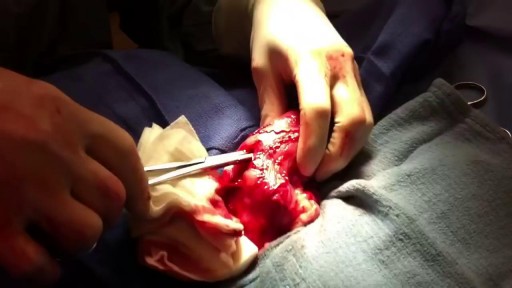
What it is
Bladder stones are removed by passing a telescope through the urine tube and breaking the stone with laser or mechanical energy, then washing out the fragments (cystolitholapaxy). Very large stones may need a small open or keyhole operation through the lower abdomen.
Why it is done
Bladder stones form when urine stagnates — most often with prostate blockage, bladder nerve problems or long-term catheters — and cause pain, blood in the urine, infections and interrupted flow. The underlying cause is addressed at the same time where possible (for example prostate surgery).
How to prepare
You will have scans or X-rays showing stone size, urine tests with infection treated, and blood tests. Blood thinners are reviewed. Anaesthetic is usually general or spinal.
What happens during the procedure
Through the telescope, the stone is fragmented with laser or a crushing device and the pieces are evacuated. The bladder is inspected afterwards. Surgery takes 30 to 90 minutes depending on stone burden. A catheter drains the bladder afterwards, usually for a day or so.
Afterwards — recovery & results
You can expect blood-stained urine and some stinging for a few days. Drink plenty to keep urine pale. Follow-up considers prevention — treating prostate obstruction, catheter care review, and infection control — since stones recur if the cause persists.
Risks & considerations
Risks include infection, bleeding, injury to the bladder or urine tube, and retained fragments. Combined procedures (such as prostate surgery at the same sitting) carry their own additional risks, which your surgeon will cover.
Watch: Bladder stone removal (cystolitholapaxy) videos
Real procedure videos from the MedicalVideos.com library. Some clinical footage is graphic — that is the nature of a medical video library.
Related guides on MedicalVideos.com
Frequently asked questions
Why did a stone form in my bladder (not kidney)?
Bladder stones usually grow locally where urine sits too long — an enlarged prostate, an underactive bladder or catheter debris gives crystals time and material to grow.
Will it come back?
Only if the cause remains. Dealing with the blockage or bladder problem is the real prevention; stone analysis helps confirm the type.
Related procedures — Urology Procedures & Tests
Browse the B section of the A–Z list or return to the Procedures & Tests hub.