
- Physical Examination
- Surgical Examination
- Ophthalmology
- Clinical Skills
- Orthopedics
- Surgery Videos
- Laparoscopy
- Pediatrics
- Funny Videos
- Cardiothoracic Surgery
- Nursing Videos
- Plastic Surgery
- Otorhinolaryngology
- Histology and Histopathology
- Neurosurgery
- Dermatology
- Pediatric Surgery
- Urology
- Dentistry
- Oncology and Cancers
- Anatomy Videos
- Health and Fitness
- Radiology
- Anaesthesia
- Physical Therapy
- Pharmacology
- Interventional Radiology
- Cardiology
- Endocrinology
- Gynecology
- Emergency Medicine
- Psychiatry and Psychology
- Childbirth Videos
- General Medical Videos
- Nephrology
- Physiology
- Diet and Food Health
- Diabetes Mellitus
- Neurology
- Women Health
- Osteoporosis
- Gastroenterology
- Pulmonology
- Hematology
- Rheumatology
- Toxicology
- Nuclear Medicine
- Infectious Diseases
- Vascular Disease
- Reproductive Health
- Burns and Wound Healing
- Kidney Zone Podcast
- Other
Prostate biopsy (transperineal / transrectal)
Category: Urology Procedures & Tests · All urology procedures & tests
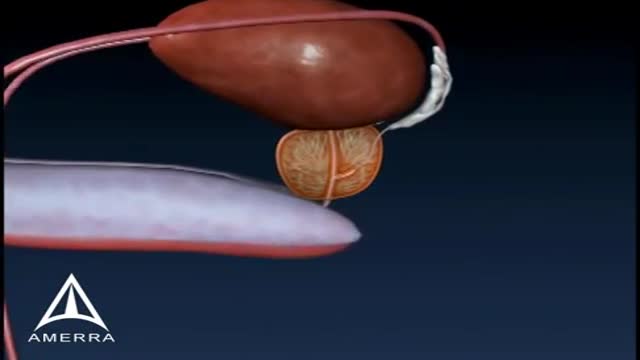
What it is
A prostate biopsy takes small samples of prostate tissue with a needle to check for cancer, guided by ultrasound and often fused with an MRI scan done beforehand to target suspicious areas. The transperineal route passes the needle through the skin between scrotum and anus; the transrectal route passes it through the back passage wall.
Why it is done
It is recommended when prostate cancer is suspected — for example a raised or rising PSA, an abnormal-feeling prostate, or a suspicious MRI — to confirm the diagnosis and grade any cancer found.
How to prepare
You will have recent PSA results and usually an MRI scan first. Blood thinners are reviewed; antibiotics are given (more central to the transrectal route). Transperineal biopsy is often done under local anaesthetic, sometimes sedation or general; transrectal under local anaesthetic gel/injection. A urine sample excludes infection.
What happens during the procedure
Using the ultrasound probe in the back passage for imaging in both routes, the doctor takes a series of samples — targeted at MRI lesions plus systematic samples of the rest of the gland. Each sample is a quick click with brief discomfort. The procedure takes about 20 to 40 minutes.
Afterwards — recovery & results
You can usually go home the same day once you have passed urine. Blood in urine, semen and from the back passage for days to a few weeks is common and usually harmless. Results take about one to two weeks and are discussed at a follow-up appointment with the grading explained.
Risks & considerations
Risks include infection (lower with the transperineal route; rarely serious sepsis, mainly a transrectal concern), urinary retention needing a temporary catheter, bleeding, and temporary erectile difficulty. A negative biopsy does not absolutely exclude cancer; ongoing PSA monitoring plans are agreed.
Watch: Prostate biopsy (transperineal / transrectal) videos
Real procedure videos from the MedicalVideos.com library. Some clinical footage is graphic — that is the nature of a medical video library.
Related guides on MedicalVideos.com
Frequently asked questions
Why the MRI first?
MRI finds suspicious areas so biopsies can be targeted, improving detection of significant cancer and reducing unnecessary sampling of harmless tissue.
What do the results mean (Gleason/Grade Group)?
If cancer is found, it is graded by how aggressive the cells look (Grade Groups 1–5). Many Grade Group 1 cancers are safely monitored rather than treated immediately — your team will explain your grade and options.
Related procedures — Urology Procedures & Tests
Browse the P section of the A–Z list or return to the Procedures & Tests hub.