
- Physical Examination
- Surgical Examination
- Ophthalmology
- Clinical Skills
- Orthopedics
- Surgery Videos
- Laparoscopy
- Pediatrics
- Funny Videos
- Cardiothoracic Surgery
- Nursing Videos
- Plastic Surgery
- Otorhinolaryngology
- Histology and Histopathology
- Neurosurgery
- Dermatology
- Pediatric Surgery
- Urology
- Dentistry
- Oncology and Cancers
- Anatomy Videos
- Health and Fitness
- Radiology
- Anaesthesia
- Physical Therapy
- Pharmacology
- Interventional Radiology
- Cardiology
- Endocrinology
- Gynecology
- Emergency Medicine
- Psychiatry and Psychology
- Childbirth Videos
- General Medical Videos
- Nephrology
- Physiology
- Diet and Food Health
- Diabetes Mellitus
- Neurology
- Women Health
- Osteoporosis
- Gastroenterology
- Pulmonology
- Hematology
- Rheumatology
- Toxicology
- Nuclear Medicine
- Infectious Diseases
- Vascular Disease
- Reproductive Health
- Burns and Wound Healing
- Kidney Zone Podcast
- Other
Urology Procedures & Tests
Urology procedures and tests: prostate operations and biopsies, bladder and stone procedures, testicle surgery including emergencies, vasectomy and circumcision, and bladder-function testing such as urodynamics.
This page lists all 12 of them in the guide. Open any procedure for preparation, step-by-step what happens, recovery advice and frequently asked questions.
 Bladder stone removal (cystolitholapaxy)Urology
 CircumcisionUrology
 Hydrocele / varicocele repairUrology
 Laser prostate surgery (HoLEP / GreenLight)Urology
 Meatotomy / urethral dilatation and urethrotomyUrology
 Orchidectomy (testicle removal)Urology
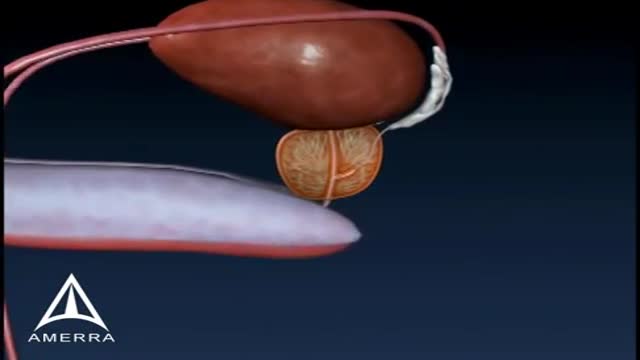 Prostate biopsy (transperineal / transrectal)Urology
 Prostatectomy (radical prostate removal)Urology
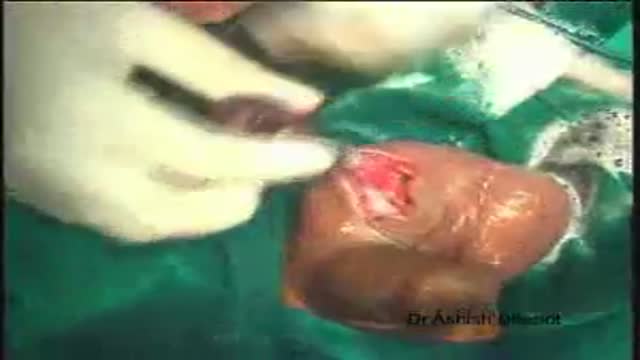 Testicular torsion surgery (emergency)Urology
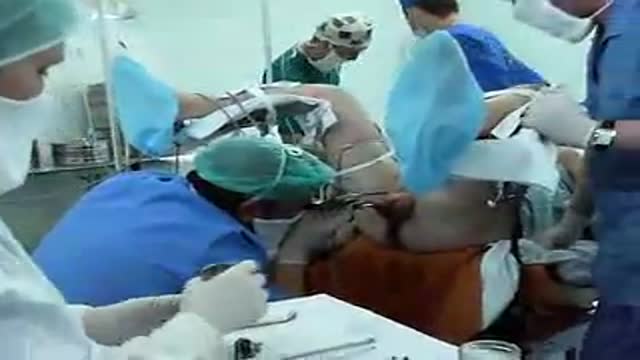 TURP (prostate resection)Urology
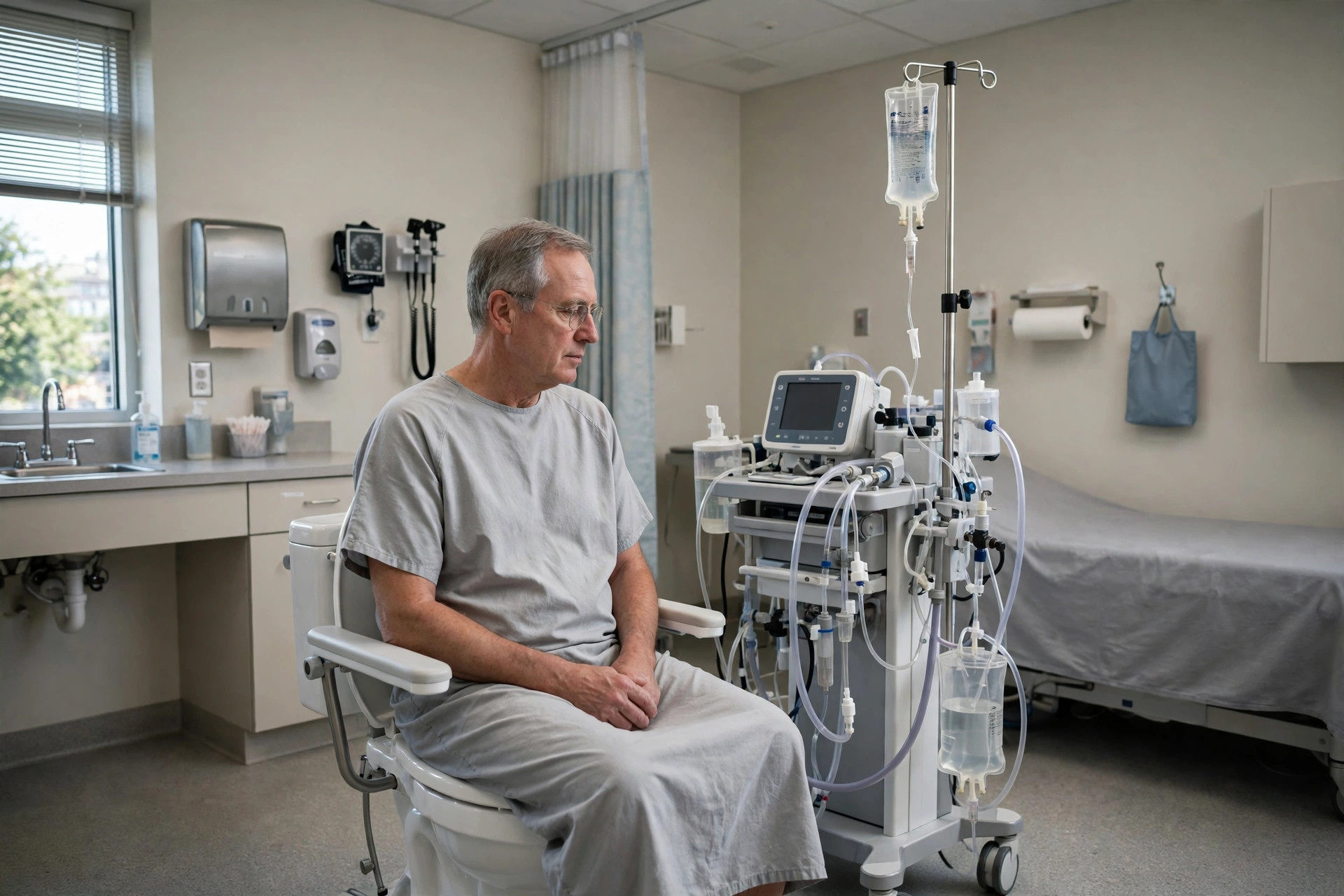 Urodynamics studyUrology
 VasectomyUrology
| Procedure / test | Category | What it is |
|---|---|---|
| Bladder stone removal (cystolitholapaxy) | Urology | Bladder stones are removed by passing a telescope through the urine tube and breaking the stone with laser or mechanical energy, then washing out the fragments (cystolitholapaxy). Very large stones may need a small open or keyhole operation through the lower abdomen. |
| Circumcision | Urology | Circumcision removes the foreskin covering the head of the penis. In adults it is usually done for medical reasons; in babies and children it may be medical or cultural/religious, performed through appropriate services. |
| Hydrocele / varicocele repair | Urology | A hydrocele is a collection of fluid around the testicle causing a painless scrotal swelling; repair drains the fluid and turns back or removes the sac so it does not refill. A varicocele is a network of swollen veins above the testicle; repair ties off these veins (or blocks them by embolisation) when it causes pain, testicular shrinkage in adolescents, or contributes to infertility. |
| Laser prostate surgery (HoLEP / GreenLight) | Urology | Laser prostate surgery removes or vaporises obstructing prostate tissue using laser energy delivered through a telescope in the urine tube. HoLEP shells out the inner prostate in whole lobes (removed via a morcellator), suitable for very large glands; GreenLight vaporises tissue, creating an open channel. |
| Meatotomy / urethral dilatation and urethrotomy | Urology | These procedures treat narrowing (stricture) of the urine tube (urethra). Dilatation stretches the narrowing with graduated instruments; internal urethrotomy cuts the scar tissue under direct vision with a telescope-mounted knife; meatotomy widens a narrowed urine opening (meatus) at the tip of the penis. |
| Orchidectomy (testicle removal) | Urology | An orchidectomy removes a testicle, usually through a cut in the groin (inguinal orchidectomy) so the cord is tied high — the standard first step in treating suspected testicular cancer. Simpler scrotal approaches are used for benign conditions or hormone treatment of advanced prostate cancer. |
| Prostate biopsy (transperineal / transrectal) | Urology | A prostate biopsy takes small samples of prostate tissue with a needle to check for cancer, guided by ultrasound and often fused with an MRI scan done beforehand to target suspicious areas. The transperineal route passes the needle through the skin between scrotum and anus; the transrectal route passes it through the back passage wall. |
| Prostatectomy (radical prostate removal) | Urology | Radical prostatectomy removes the whole prostate gland and seminal vesicles, usually with surrounding tissue and sometimes pelvic lymph nodes, to treat prostate cancer confined to the gland area. Most operations today are robot-assisted keyhole surgery; open surgery is still used in some cases. |
| Testicular torsion surgery (emergency) | Urology | Testicular torsion is a twisting of the testicle on its cord, cutting off its blood supply — a surgical emergency, most common in teenagers and young men. Surgery untwists the testicle, checks whether it recovers, and fixes both testicles in place (orchidopexy) so it cannot happen again. |
| TURP (prostate resection) | Urology | Transurethral resection of the prostate (TURP) removes the inner part of an enlarged prostate that is squeezing the urine tube, using an electric loop passed through the penis with a telescope — no external cuts. The removed tissue is sent to the laboratory. |
| Urodynamics study | Urology | Urodynamics measures how the bladder and urine tube behave while filling and emptying, using thin pressure catheters (in the bladder and back passage) while fluid is infused at a controlled rate and you report sensations. It distinguishes problems of storage (overactivity) from problems of emptying (weak bladder muscle or obstruction). |
| Vasectomy | Urology | A vasectomy is a minor operation that cuts and seals the tubes (vas deferens) carrying sperm from the testicles, so semen contains no sperm. It is a permanent method of contraception; the 'no-scalpel' technique reaches the tubes through a tiny puncture rather than cuts. |
Please note: This page is educational information about a medical procedure or test. It does not replace the instructions of your own care team, who know your situation and whose preparation, fasting and medication advice you should follow if it differs from anything here. If you have symptoms that worry you, or an appointment you do not understand, contact your clinical team.