
- Physical Examination
- Surgical Examination
- Ophthalmology
- Clinical Skills
- Orthopedics
- Surgery Videos
- Laparoscopy
- Pediatrics
- Funny Videos
- Cardiothoracic Surgery
- Nursing Videos
- Plastic Surgery
- Otorhinolaryngology
- Histology and Histopathology
- Neurosurgery
- Dermatology
- Pediatric Surgery
- Urology
- Dentistry
- Oncology and Cancers
- Anatomy Videos
- Health and Fitness
- Radiology
- Anaesthesia
- Physical Therapy
- Pharmacology
- Interventional Radiology
- Cardiology
- Endocrinology
- Gynecology
- Emergency Medicine
- Psychiatry and Psychology
- Childbirth Videos
- General Medical Videos
- Nephrology
- Physiology
- Diet and Food Health
- Diabetes Mellitus
- Neurology
- Women Health
- Osteoporosis
- Gastroenterology
- Pulmonology
- Hematology
- Rheumatology
- Toxicology
- Nuclear Medicine
- Infectious Diseases
- Vascular Disease
- Reproductive Health
- Burns and Wound Healing
- Kidney Zone Podcast
- Other
Chest drain insertion
Category: Lung & Breathing Tests · All lung & breathing tests
What it is
A chest drain is a tube placed between the ribs into the pleural space to drain air, fluid, blood or pus from around the lung, letting the lung re-expand and stay expanded. It connects to a one-way system (underwater seal bottle or valve).
Why it is done
Indications include a collapsed lung (pneumothorax), pleural infection (empyema), blood after injury, large effusions, and after some chest surgery.
How to prepare
In emergencies this happens immediately; otherwise, ultrasound or CT guides the site. Blood tests and clotting are checked. Local anaesthetic is thorough, with sedation or strong painkillers as needed; tell the team about blood thinners and allergies.
What happens during the procedure
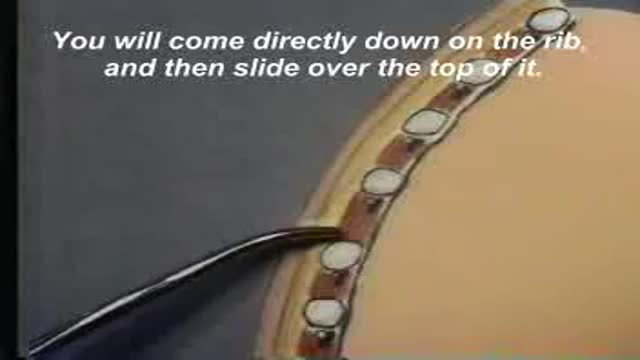
After numbing, a cut is made between the ribs and the tube is guided into the pleural space (small-bore drains are placed over a wire under imaging). It is stitched in place, connected to the drainage system, and a chest X-ray confirms position. Insertion takes about 20 to 40 minutes.
Afterwards — recovery & results
You stay in hospital while the drain is in. Nurses monitor bubbling and drainage; you will be encouraged to move around, with the bottle kept below chest level. Pain relief is given — drains are uncomfortable more than painful. Removal (after the lung is up and drainage stops) takes seconds: the stitch is cut and the tube pulled out smoothly, usually with a breath-hold, then a dressing applied.
Risks & considerations
Risks include bleeding, infection, the tube blocking or falling out, injury to lung or other structures, and air tracking under the skin (surgical emphysema — crackly swelling, usually harmless). Report sudden breathlessness or the tube disconnecting immediately.
Watch: Chest drain insertion videos
Real procedure videos from the MedicalVideos.com library. Some clinical footage is graphic — that is the nature of a medical video library.
Related guides on MedicalVideos.com
Frequently asked questions
Why does the bottle bubble?
Bubbling means air is leaving the pleural space — expected early on with a pneumothorax. It stops as the leak seals; swinging of the fluid level with breathing shows the tube is open and working.
How long will it stay in?
From a day or two for a simple pneumothorax to a week or more for infection or persistent air leaks. Daily X-rays and drainage measurements guide removal.
Related procedures — Lung & Breathing Tests
Browse the C section of the A–Z list or return to the Procedures & Tests hub.