
- Physical Examination
- Surgical Examination
- Ophthalmology
- Clinical Skills
- Orthopedics
- Surgery Videos
- Laparoscopy
- Pediatrics
- Funny Videos
- Cardiothoracic Surgery
- Nursing Videos
- Plastic Surgery
- Otorhinolaryngology
- Histology and Histopathology
- Neurosurgery
- Dermatology
- Pediatric Surgery
- Urology
- Dentistry
- Oncology and Cancers
- Anatomy Videos
- Health and Fitness
- Radiology
- Anaesthesia
- Physical Therapy
- Pharmacology
- Interventional Radiology
- Cardiology
- Endocrinology
- Gynecology
- Emergency Medicine
- Psychiatry and Psychology
- Childbirth Videos
- General Medical Videos
- Nephrology
- Physiology
- Diet and Food Health
- Diabetes Mellitus
- Neurology
- Women Health
- Osteoporosis
- Gastroenterology
- Pulmonology
- Hematology
- Rheumatology
- Toxicology
- Nuclear Medicine
- Infectious Diseases
- Vascular Disease
- Reproductive Health
- Burns and Wound Healing
- Kidney Zone Podcast
- Other
Bronchoscopy
Category: Lung & Breathing Tests · All lung & breathing tests
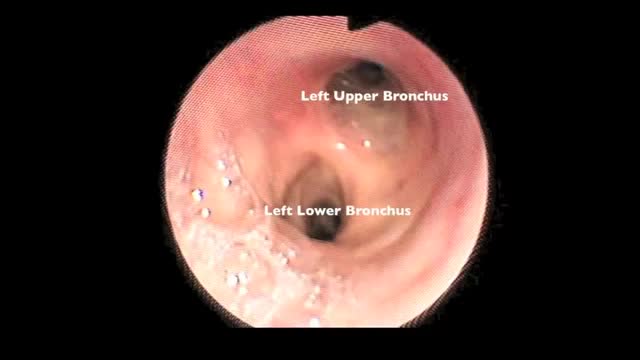
What it is
Bronchoscopy passes a thin, flexible camera through the nose or mouth into the airways to inspect them directly, wash out samples (lavage), brush or biopsy tissue, and sometimes treat problems such as removing a foreign body or controlling bleeding.
Why it is done
It investigates lung shadows or masses on scans, persistent cough or coughing blood, unexplained infections, and collapsed lung areas; it also stages lung cancer by sampling lymph nodes (often with ultrasound guidance — EBUS).
How to prepare
You will usually fast for several hours. Sedation is standard, so arrange an escort and do not plan to drive for 24 hours. Tell the team about allergies, blood thinners, dentures and loose teeth. You will have a cannula placed and monitoring attached.
What happens during the procedure
The back of the throat and nose are numbed with spray (bitter taste) and sedation is given through the cannula. The scope passes gently into the airways; you can breathe throughout. Local anaesthetic is sprayed on the vocal cords, which can cause coughing at first. Samples are painless. It takes about 20 to 40 minutes.
Afterwards — recovery & results
You recover under observation until sedation wears off and swallowing is safe (about one to two hours) before eating or drinking, because of the throat numbing. A hoarse voice, sore throat, mild cough and blood-flecked spit for a day or two are common. A temperature later that day often settles by morning.
Risks & considerations
Risks include bleeding after biopsies (usually minor), infection or fever, low oxygen during the test, bronchospasm in asthma/COPD, and rarely a punctured lung with certain biopsy types (transbronchial). Serious complications are uncommon. Seek help for worsening breathlessness, chest pain, or coughing more than small amounts of blood.
Watch: Bronchoscopy videos
Real procedure videos from the MedicalVideos.com library. Some clinical footage is graphic — that is the nature of a medical video library.
Related guides on MedicalVideos.com
Frequently asked questions
Will I choke or be unable to breathe?
No — the scope is much thinner than the airway and air flows around it. Sedation and numbing make it tolerable for the great majority of people.
When do results come?
Washings and biopsies take several days to about two weeks. Your clinic will contact you with results and the next steps.
Related procedures — Lung & Breathing Tests
Browse the B section of the A–Z list or return to the Procedures & Tests hub.