
- Physical Examination
- Surgical Examination
- Ophthalmology
- Clinical Skills
- Orthopedics
- Surgery Videos
- Laparoscopy
- Pediatrics
- Funny Videos
- Cardiothoracic Surgery
- Nursing Videos
- Plastic Surgery
- Otorhinolaryngology
- Histology and Histopathology
- Neurosurgery
- Dermatology
- Pediatric Surgery
- Urology
- Dentistry
- Oncology and Cancers
- Anatomy Videos
- Health and Fitness
- Radiology
- Anaesthesia
- Physical Therapy
- Pharmacology
- Interventional Radiology
- Cardiology
- Endocrinology
- Gynecology
- Emergency Medicine
- Psychiatry and Psychology
- Childbirth Videos
- General Medical Videos
- Nephrology
- Physiology
- Diet and Food Health
- Diabetes Mellitus
- Neurology
- Women Health
- Osteoporosis
- Gastroenterology
- Pulmonology
- Hematology
- Rheumatology
- Toxicology
- Nuclear Medicine
- Infectious Diseases
- Vascular Disease
- Reproductive Health
- Burns and Wound Healing
- Kidney Zone Podcast
- Other
Lung & Breathing Tests
Tests of the lungs and breathing: spirometry and full lung function testing, bronchoscopy (also listed under Endoscopy), pleural procedures that drain fluid and air from around the lung, sleep studies, exercise testing and the home measurements used in asthma care.
This page lists all 12 of them in the guide. Open any procedure for preparation, step-by-step what happens, recovery advice and frequently asked questions.
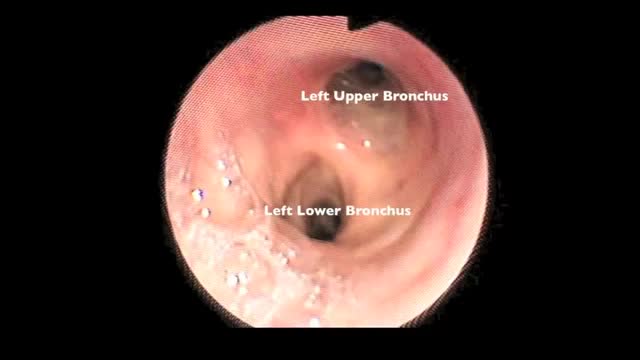 BronchoscopyLungs & Breathing
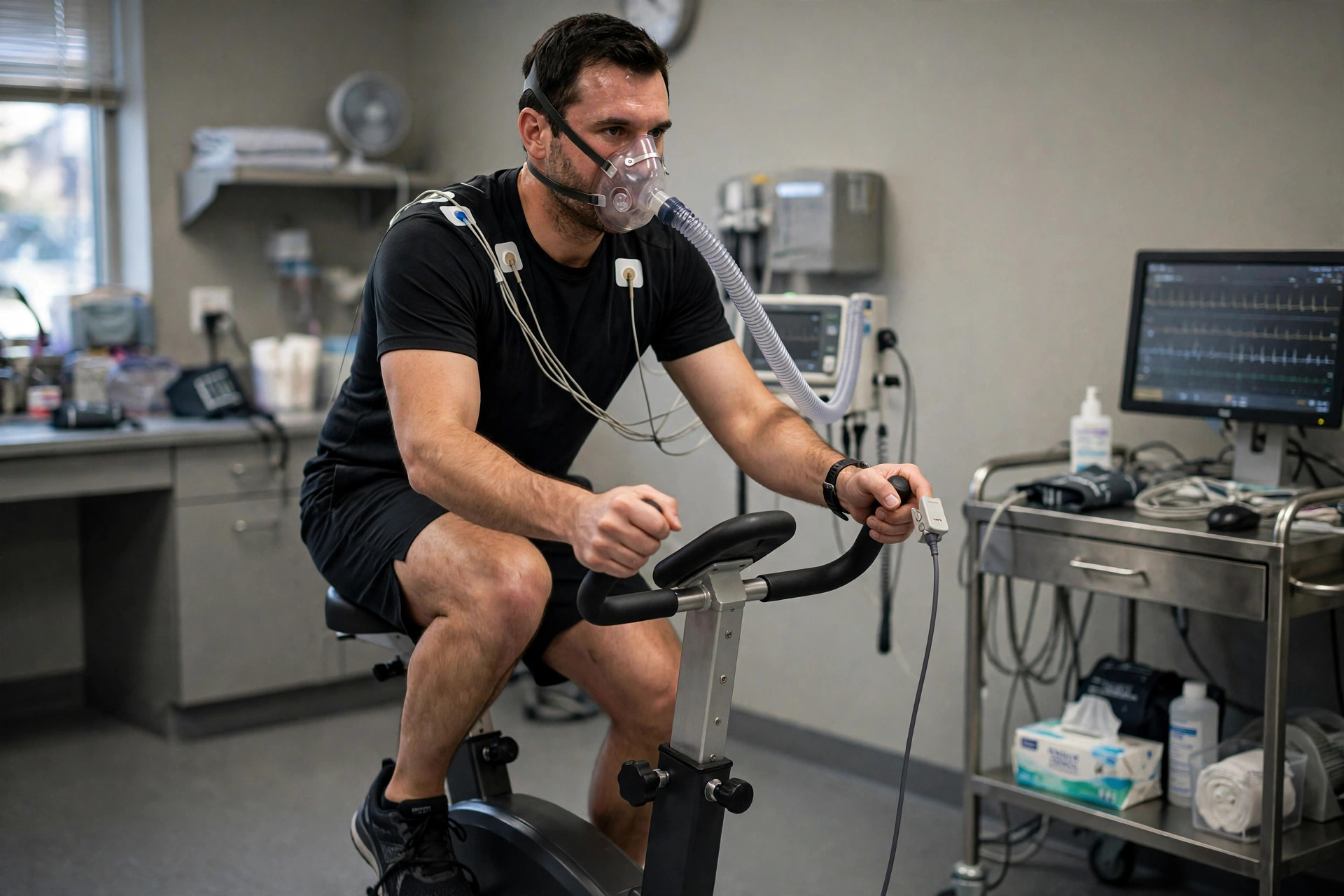 Cardiopulmonary exercise test (CPET / CPEX)Lungs & Breathing
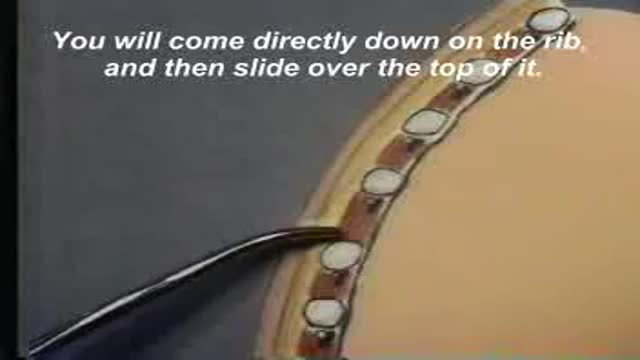 Chest drain insertionLungs & Breathing
 FeNO test (exhaled nitric oxide)Lungs & Breathing
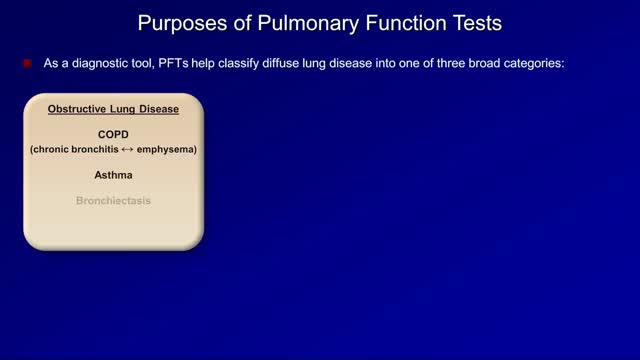 Full lung function tests (PFTs with gas transfer)Lungs & Breathing
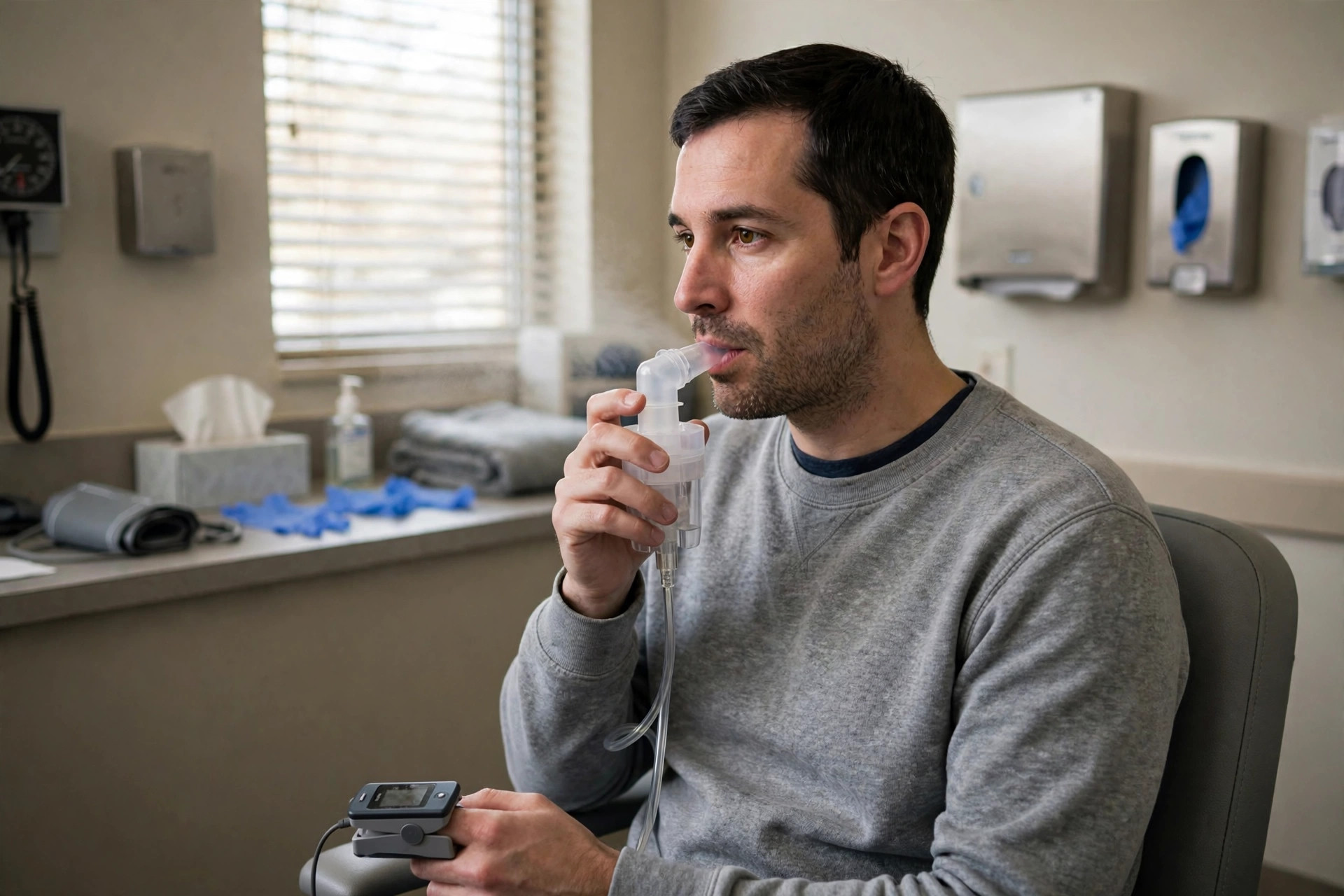 Methacholine challenge test (bronchial provocation)Lungs & Breathing
 Peak flow monitoringLungs & Breathing
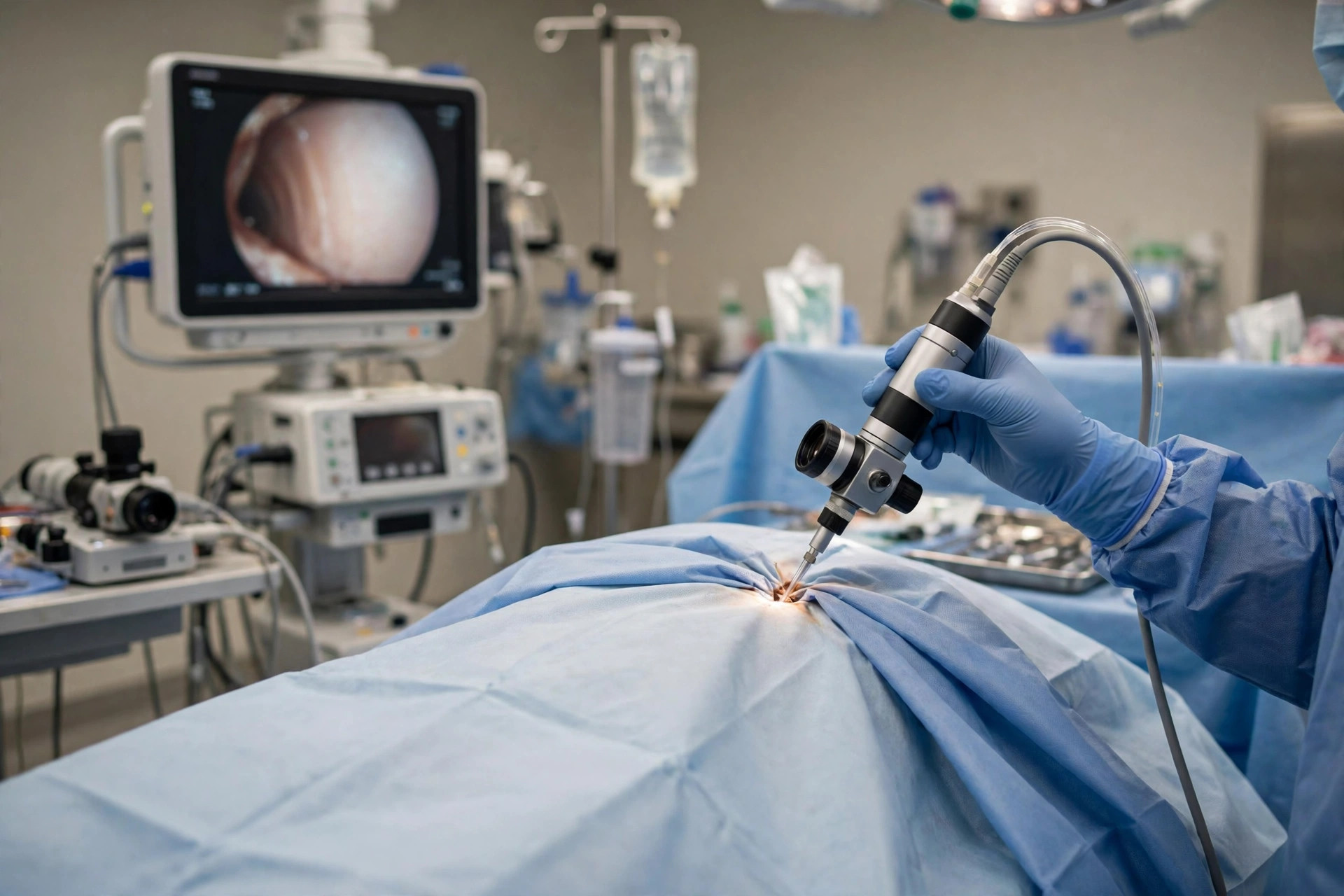 Pleural biopsyLungs & Breathing
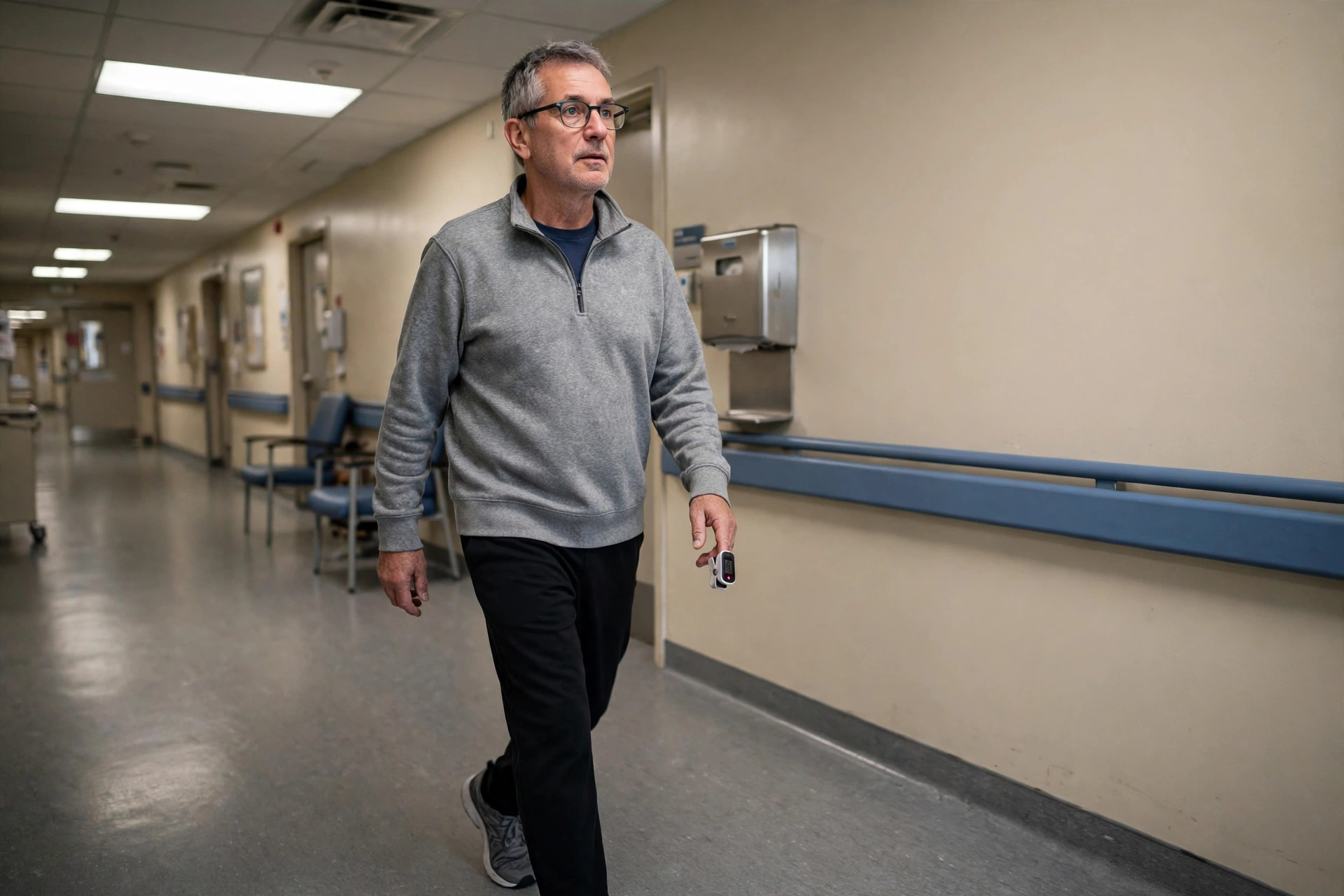 Six-minute walk testLungs & Breathing
 Sleep study (polysomnography / home sleep apnoea test)Lungs & Breathing
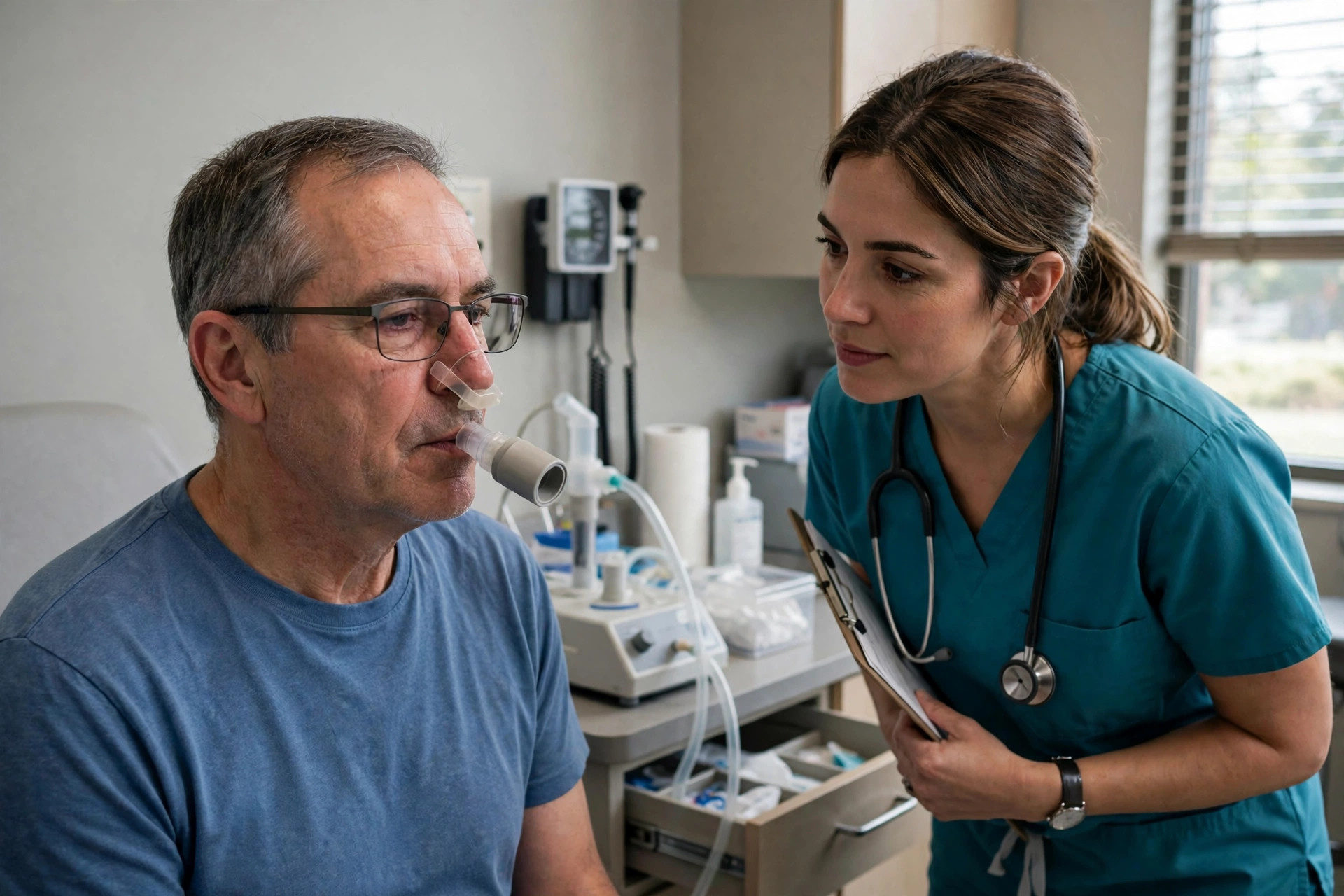 SpirometryLungs & Breathing
 Thoracentesis (pleural tap)Lungs & Breathing
| Procedure / test | Category | What it is |
|---|---|---|
| Bronchoscopy | Lungs & Breathing | Bronchoscopy passes a thin, flexible camera through the nose or mouth into the airways to inspect them directly, wash out samples (lavage), brush or biopsy tissue, and sometimes treat problems such as removing a foreign body or controlling bleeding. |
| Cardiopulmonary exercise test (CPET / CPEX) | Lungs & Breathing | A cardiopulmonary exercise test measures breathing, heart and blood pressure responses while you exercise on a bike or treadmill with gradually increasing difficulty, breathing through a mask that analyses the gases you breathe in and out. |
| Chest drain insertion | Lungs & Breathing | A chest drain is a tube placed between the ribs into the pleural space to drain air, fluid, blood or pus from around the lung, letting the lung re-expand and stay expanded. It connects to a one-way system (underwater seal bottle or valve). |
| FeNO test (exhaled nitric oxide) | Lungs & Breathing | The FeNO test measures nitric oxide in your breath, a marker of a particular type of airway inflammation (eosinophilic/Th2 inflammation) that is typical of allergic asthma and predicts response to inhaled steroids. |
| Full lung function tests (PFTs with gas transfer) | Lungs & Breathing | Full pulmonary function tests extend spirometry with two more measurements: lung volumes (how much air the lungs hold, measured in a sealed booth or by gas dilution) and gas transfer (DLCO — how well oxygen passes from air into blood, measured with a breath-hold using a harmless trace gas mixture). |
| Methacholine challenge test (bronchial provocation) | Lungs & Breathing | A bronchial challenge test measures how twitchy the airways are. You inhale increasing doses of methacholine (a mild airway irritant) with spirometry after each dose; a significant fall in lung function at a low dose indicates airway hyper-responsiveness, supporting asthma. |
| Peak flow monitoring | Lungs & Breathing | Peak flow monitoring uses a simple hand-held meter to measure your fastest breath out (peak expiratory flow). Recording it morning and evening for two to four weeks shows variability — the hallmark of asthma — and your personal best becomes a reference for action plans. |
| Pleural biopsy | Lungs & Breathing | A pleural biopsy samples the lining of the chest (pleura) when fluid tests and scans have not explained a pleural effusion or pleural thickening. It can be done with a needle under imaging, or more usually today by medical thoracoscopy — a camera inserted through a small chest cut while you are sedated, allowing directed biopsies and drainage in the same session. |
| Six-minute walk test | Lungs & Breathing | The six-minute walk test measures how far you can walk on a flat corridor in six minutes at your own fastest comfortable pace, with oxygen levels and heart rate monitored. It reflects real-world exercise capacity in heart and lung disease. |
| Sleep study (polysomnography / home sleep apnoea test) | Lungs & Breathing | A sleep study records what happens to breathing, oxygen levels, heart rate and (in laboratory studies) brain waves during sleep. Simpler home tests measure airflow, chest movement, pulse and oxygen; full polysomnography in a sleep laboratory adds brain, eye and muscle channels and video. |
| Spirometry | Lungs & Breathing | Spirometry measures how much air you can breathe out and how fast, by blowing into a mouthpiece connected to a measuring device. Key numbers are FVC (total blown out) and FEV1 (blown out in the first second), whose pattern distinguishes obstructive diseases (asthma, COPD) from restrictive ones. |
| Thoracentesis (pleural tap) | Lungs & Breathing | Thoracentesis removes fluid that has collected between the lung and chest wall (a pleural effusion) using a needle or small catheter, usually guided by ultrasound. The fluid is tested to find its cause, and removing larger volumes relieves breathlessness. |
Please note: This page is educational information about a medical procedure or test. It does not replace the instructions of your own care team, who know your situation and whose preparation, fasting and medication advice you should follow if it differs from anything here. If you have symptoms that worry you, or an appointment you do not understand, contact your clinical team.