
- Physical Examination
- Surgical Examination
- Ophthalmology
- Clinical Skills
- Orthopedics
- Surgery Videos
- Laparoscopy
- Pediatrics
- Funny Videos
- Cardiothoracic Surgery
- Nursing Videos
- Plastic Surgery
- Otorhinolaryngology
- Histology and Histopathology
- Neurosurgery
- Dermatology
- Pediatric Surgery
- Urology
- Dentistry
- Oncology and Cancers
- Anatomy Videos
- Health and Fitness
- Radiology
- Anaesthesia
- Physical Therapy
- Pharmacology
- Interventional Radiology
- Cardiology
- Endocrinology
- Gynecology
- Emergency Medicine
- Psychiatry and Psychology
- Childbirth Videos
- General Medical Videos
- Nephrology
- Physiology
- Diet and Food Health
- Diabetes Mellitus
- Neurology
- Women Health
- Osteoporosis
- Gastroenterology
- Pulmonology
- Hematology
- Rheumatology
- Toxicology
- Nuclear Medicine
- Infectious Diseases
- Vascular Disease
- Reproductive Health
- Burns and Wound Healing
- Kidney Zone Podcast
- Other
Haemorrhoid surgery (haemorrhoidectomy)
Category: General & Abdominal Surgery · All general & abdominal surgery
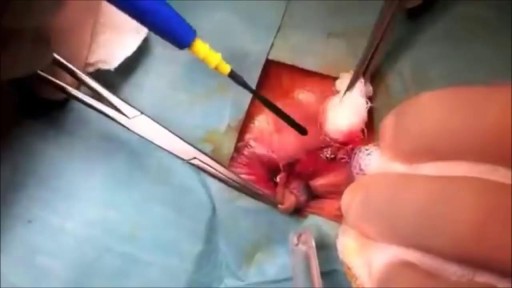
What it is
Haemorrhoidectomy is an operation to remove enlarged haemorrhoids (piles) that protrude, bleed or cause symptoms not controlled by simpler treatments such as banding or medicines.
Why it is done
It is offered for large external or prolapsing internal piles, piles that repeatedly thrombose, or when less invasive treatments have failed.
How to prepare
You will have an examination and possibly a scope test first to confirm the diagnosis and exclude other causes of bleeding. You fast before anaesthetic and may have a small enema. Tell the team about blood thinners.
What happens during the procedure
Under general or spinal anaesthetic, the piles are cut away and the wounds are either left open or partially closed depending on technique. Surgery takes about 30 minutes. Local anaesthetic is often injected to reduce after-pain.
Afterwards — recovery & results
Pain after this operation is well recognised, especially at the first bowel motions; you will have a planned combination of painkillers, stool softeners and sometimes an antibiotic/antiseptic course as your surgeon advises. Most people need one to two weeks off work. Sitz baths and keeping stools soft help.
Risks & considerations
Risks include bleeding (including a delayed bleed about a week later that needs urgent attention), infection, difficulty passing urine briefly, and rarely narrowing of the anus or continence problems — which is why conservative treatments are tried first. Recurrence is possible.
Watch: Haemorrhoid surgery (haemorrhoidectomy) videos
Real procedure videos from the MedicalVideos.com library. Some clinical footage is graphic — that is the nature of a medical video library.
Related guides on MedicalVideos.com
Frequently asked questions
How painful is recovery really?
It is usually the most uncomfortable part of this surgery, peaking over the first week. A planned regime of painkillers, soft stools and warm baths makes it manageable, and most people turn a corner by the second week.
When should I seek help after?
If you have heavy bleeding, fever, inability to pass urine, or worsening pain after initial improvement — contact the surgical team or emergency services promptly.
Related procedures — General & Abdominal Surgery
Browse the H section of the A–Z list or return to the Procedures & Tests hub.