
- Physical Examination
- Surgical Examination
- Ophthalmology
- Clinical Skills
- Orthopedics
- Surgery Videos
- Laparoscopy
- Pediatrics
- Funny Videos
- Cardiothoracic Surgery
- Nursing Videos
- Plastic Surgery
- Otorhinolaryngology
- Histology and Histopathology
- Neurosurgery
- Dermatology
- Pediatric Surgery
- Urology
- Dentistry
- Oncology and Cancers
- Anatomy Videos
- Health and Fitness
- Radiology
- Anaesthesia
- Physical Therapy
- Pharmacology
- Interventional Radiology
- Cardiology
- Endocrinology
- Gynecology
- Emergency Medicine
- Psychiatry and Psychology
- Childbirth Videos
- General Medical Videos
- Nephrology
- Physiology
- Diet and Food Health
- Diabetes Mellitus
- Neurology
- Women Health
- Osteoporosis
- Gastroenterology
- Pulmonology
- Hematology
- Rheumatology
- Toxicology
- Nuclear Medicine
- Infectious Diseases
- Vascular Disease
- Reproductive Health
- Burns and Wound Healing
- Kidney Zone Podcast
- Other
Colectomy (bowel resection)
Category: General & Abdominal Surgery · All general & abdominal surgery
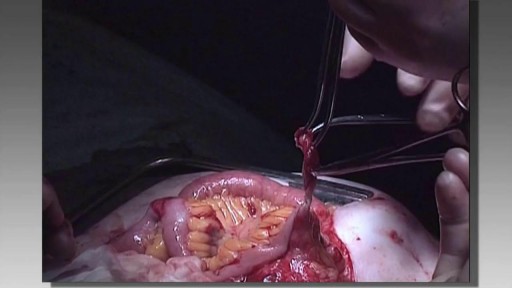
What it is
A colectomy removes a section of the large bowel (colon), with the remaining ends joined together (anastomosis) or, in some situations, brought out as a stoma. It is done by open or keyhole surgery.
Why it is done
Reasons include bowel cancer, diverticular disease with complications, inflammatory bowel disease, blockage or a burst bowel, and occasionally severe slow-transit constipation after other treatments fail.
How to prepare
You will have scans, blood tests and anaesthetic assessment. Bowel preparation is sometimes used. Stoma nurses usually meet you before planned surgery to discuss the possibility of a stoma and mark a site, even if one is unlikely. You fast before surgery.
What happens during the procedure
Under general anaesthetic, the diseased section is removed along with nearby lymph nodes if cancer is the reason. The bowel ends are joined with stitches or staples, or a stoma is formed. Surgery takes two to four hours typically.
Afterwards — recovery & results
Hospital stay is often three to seven days with enhanced-recovery care: early drinking, eating and walking. Full recovery takes several weeks. You will be told about bowel habit changes, wound care, and stoma care if you have one. Pathology results guide onward treatment for cancer.
Risks & considerations
Risks include bleeding, infection, a leak from the bowel join (a serious complication sometimes needing further surgery), blood clots, chest infection, and injury to nearby structures. Stomas can usually be reversed later depending on the situation. Your team will give your individual risk discussion.
Watch: Colectomy (bowel resection) videos
Real procedure videos from the MedicalVideos.com library. Some clinical footage is graphic — that is the nature of a medical video library.
Related guides on MedicalVideos.com
Frequently asked questions
Will I definitely need a stoma bag?
No. Most planned resections are joined back together. A stoma is more likely in emergency surgery or low rectal operations, and is often temporary.
How will my bowel habits change?
Looser or more frequent stools are common at first and usually settle over months as the remaining bowel adapts.
Related procedures — General & Abdominal Surgery
Browse the C section of the A–Z list or return to the Procedures & Tests hub.