
- Physical Examination
- Surgical Examination
- Ophthalmology
- Clinical Skills
- Orthopedics
- Surgery Videos
- Laparoscopy
- Pediatrics
- Funny Videos
- Cardiothoracic Surgery
- Nursing Videos
- Plastic Surgery
- Otorhinolaryngology
- Histology and Histopathology
- Neurosurgery
- Dermatology
- Pediatric Surgery
- Urology
- Dentistry
- Oncology and Cancers
- Anatomy Videos
- Health and Fitness
- Radiology
- Anaesthesia
- Physical Therapy
- Pharmacology
- Interventional Radiology
- Cardiology
- Endocrinology
- Gynecology
- Emergency Medicine
- Psychiatry and Psychology
- Childbirth Videos
- General Medical Videos
- Nephrology
- Physiology
- Diet and Food Health
- Diabetes Mellitus
- Neurology
- Women Health
- Osteoporosis
- Gastroenterology
- Pulmonology
- Hematology
- Rheumatology
- Toxicology
- Nuclear Medicine
- Infectious Diseases
- Vascular Disease
- Reproductive Health
- Burns and Wound Healing
- Kidney Zone Podcast
- Other
General & Abdominal Surgery
Operations of general and abdominal surgery: appendix, gallbladder and hernia operations, bowel and thyroid surgery, breast operations, stoma formation and weight-loss surgery — what each operation involves, how to prepare, and what recovery usually looks like.
This page lists all 21 of them in the guide. Open any procedure for preparation, step-by-step what happens, recovery advice and frequently asked questions.
 AdrenalectomyGeneral Surgery
 Appendicectomy (appendix removal)General Surgery
 Bariatric surgery (gastric bypass / sleeve gastrectomy)General Surgery
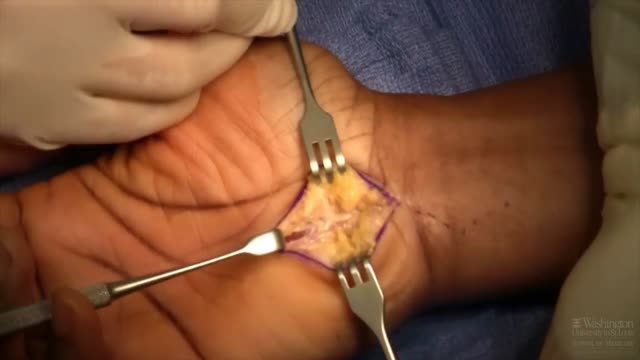 Carpal tunnel releaseGeneral Surgery
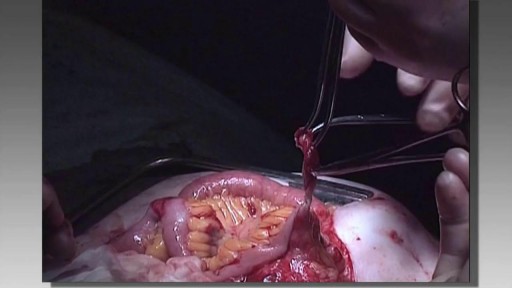 Colectomy (bowel resection)General Surgery
 Gallbladder removal (cholecystectomy)General Surgery
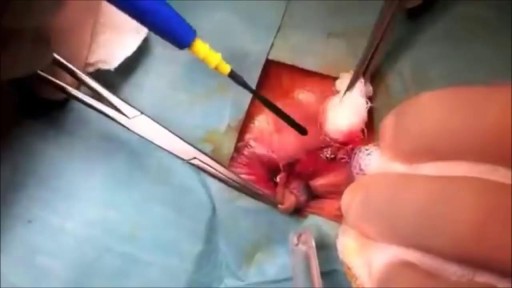 Haemorrhoid surgery (haemorrhoidectomy)General Surgery
 Hernia repair (inguinal)General Surgery
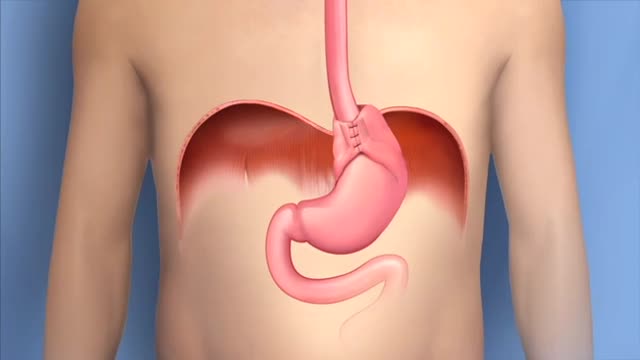 Laparoscopic fundoplication (anti-reflux surgery)General Surgery
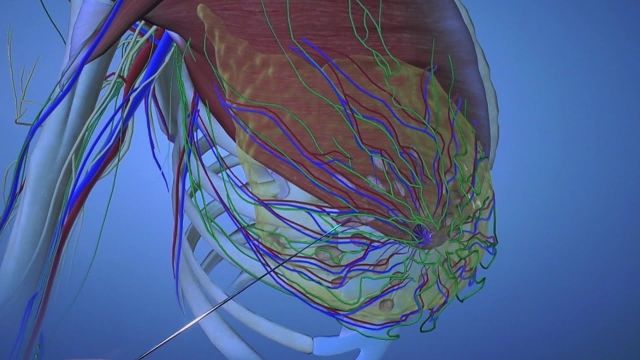 Lumpectomy (breast-conserving surgery)General Surgery
 Lymph node biopsy / excisionGeneral Surgery
 MastectomyGeneral Surgery
 Open abdominal surgery (laparotomy)General Surgery
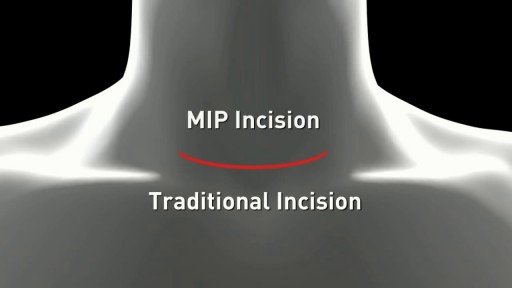 ParathyroidectomyGeneral Surgery
 Pilonidal sinus surgeryGeneral Surgery
 Rectal surgery / anterior resectionGeneral Surgery
 Skin lesion excisionGeneral Surgery
 SplenectomyGeneral Surgery
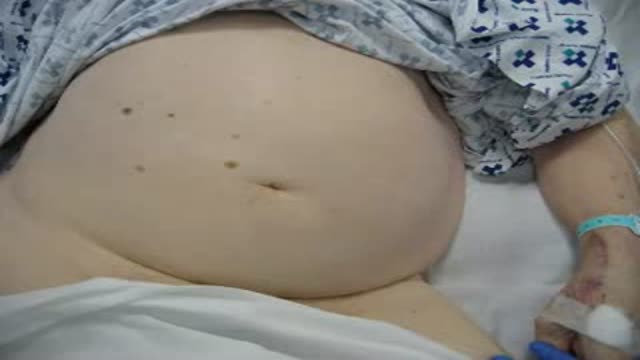 Stoma formation (colostomy / ileostomy)General Surgery
 Thyroidectomy (thyroid removal)General Surgery
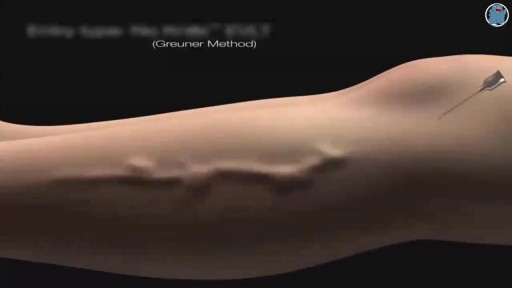 Varicose vein proceduresGeneral Surgery
| Procedure / test | Category | What it is |
|---|---|---|
| Adrenalectomy | General Surgery | An adrenalectomy removes one (rarely both) of the adrenal glands, which sit on top of the kidneys and produce hormones such as adrenaline, cortisol and aldosterone. It is usually keyhole surgery, through the abdomen or the back. |
| Appendicectomy (appendix removal) | General Surgery | An appendicectomy is an operation to remove the appendix, usually because it is inflamed (appendicitis). It is most often done as keyhole (laparoscopic) surgery through three small cuts, sometimes as open surgery through a larger cut. |
| Bariatric surgery (gastric bypass / sleeve gastrectomy) | General Surgery | Bariatric surgery changes the stomach (and sometimes the bowel) to help people with severe obesity lose substantial weight and improve related conditions such as type 2 diabetes. The main operations are sleeve gastrectomy (removing most of the stomach, leaving a narrow tube) and gastric bypass (creating a small pouch joined directly to the small bowel). |
| Carpal tunnel release | General Surgery | Carpal tunnel release is a short operation that divides the tight ligament forming the roof of the carpal tunnel in the wrist, giving the compressed median nerve more room. |
| Colectomy (bowel resection) | General Surgery | A colectomy removes a section of the large bowel (colon), with the remaining ends joined together (anastomosis) or, in some situations, brought out as a stoma. It is done by open or keyhole surgery. |
| Gallbladder removal (cholecystectomy) | General Surgery | Cholecystectomy is removal of the gallbladder, usually by keyhole (laparoscopic) surgery through four small cuts. The gallbladder stores bile; after removal, bile flows directly from the liver into the bowel. |
| Haemorrhoid surgery (haemorrhoidectomy) | General Surgery | Haemorrhoidectomy is an operation to remove enlarged haemorrhoids (piles) that protrude, bleed or cause symptoms not controlled by simpler treatments such as banding or medicines. |
| Hernia repair (inguinal) | General Surgery | An inguinal hernia repair pushes the bulge in the groin back into place and strengthens the weakened abdominal wall, usually with a mesh patch. It can be done as open surgery or keyhole (laparoscopic) surgery. |
| Laparoscopic fundoplication (anti-reflux surgery) | General Surgery | Fundoplication is keyhole surgery for reflux in which the upper part of the stomach is wrapped around the lower gullet to strengthen the valve that keeps acid out of the gullet. The commonest version is a full (Nissen) wrap; partial wraps are also used. |
| Lumpectomy (breast-conserving surgery) | General Surgery | A lumpectomy (wide local excision) removes a breast cancer together with a margin of healthy tissue, preserving the rest of the breast. It is usually followed by radiotherapy, and outcomes for suitable cancers are equivalent to mastectomy. |
| Lymph node biopsy / excision | General Surgery | A lymph node biopsy removes part or all of an enlarged lymph node so it can be examined under the microscope. Excision of the whole node gives the laboratory the most complete information, especially when lymphoma is a possibility. |
| Mastectomy | General Surgery | A mastectomy is an operation to remove all of the breast tissue on one or both sides. Variants include skin-sparing and nipple-sparing techniques, and it is often combined with removal of some lymph nodes from the armpit and, where chosen, immediate reconstruction. |
| Open abdominal surgery (laparotomy) | General Surgery | A laparotomy is an operation through a larger cut in the abdomen (often vertical, in the midline) that allows the surgeon direct access to the abdominal organs. It may be planned (for major surgery) or emergency (exploratory laparotomy, when the diagnosis must be found and treated at once). |
| Parathyroidectomy | General Surgery | A parathyroidectomy removes one or more overactive parathyroid glands — tiny glands behind the thyroid that control blood calcium. Removing the abnormal gland(s) cures most cases of primary hyperparathyroidism. |
| Pilonidal sinus surgery | General Surgery | Pilonidal surgery treats a pilonidal sinus — a small tunnel or pit in the skin at the top of the buttock crease that traps hair and debris and repeatedly becomes infected or forms abscesses. |
| Rectal surgery / anterior resection | General Surgery | Anterior resection removes the diseased part of the rectum (and sometimes the lower colon) for cancer or other disease, joining the remaining bowel to the top of the anal canal. A temporary stoma is often made to protect the join while it heals. |
| Skin lesion excision | General Surgery | Excision of a skin lesion removes a mole, lump or area of changed skin under local anaesthetic, together with a small margin of normal skin. The tissue is sent to the laboratory for examination. |
| Splenectomy | General Surgery | A splenectomy is removal of the spleen, an organ under the left ribs that filters blood and supports immunity. It is commonly done by keyhole surgery unless the spleen is very enlarged or it is an emergency after injury. |
| Stoma formation (colostomy / ileostomy) | General Surgery | A stoma is an opening made during surgery that brings a section of bowel onto the skin of the abdomen, where waste passes into a fitted bag. A colostomy uses the large bowel; an ileostomy uses the small bowel. Stomas may be temporary or permanent. |
| Thyroidectomy (thyroid removal) | General Surgery | A thyroidectomy removes part (lobectomy) or all (total thyroidectomy) of the thyroid gland in the front of the neck, through a cut in a natural skin crease. |
| Varicose vein procedures | General Surgery | Modern varicose vein treatment usually closes the faulty vein from inside rather than removing it: endothermal ablation uses heat (laser or radiofrequency) through a fine catheter, foam sclerotherapy uses an injected foam, and some veins are removed through tiny incisions (phlebectomies). Open surgery (ligation and stripping) is now less common. |
Please note: This page is educational information about a medical procedure or test. It does not replace the instructions of your own care team, who know your situation and whose preparation, fasting and medication advice you should follow if it differs from anything here. If you have symptoms that worry you, or an appointment you do not understand, contact your clinical team.