
- Physical Examination
- Surgical Examination
- Ophthalmology
- Clinical Skills
- Orthopedics
- Surgery Videos
- Laparoscopy
- Pediatrics
- Funny Videos
- Cardiothoracic Surgery
- Nursing Videos
- Plastic Surgery
- Otorhinolaryngology
- Histology and Histopathology
- Neurosurgery
- Dermatology
- Pediatric Surgery
- Urology
- Dentistry
- Oncology and Cancers
- Anatomy Videos
- Health and Fitness
- Radiology
- Anaesthesia
- Physical Therapy
- Pharmacology
- Interventional Radiology
- Cardiology
- Endocrinology
- Gynecology
- Emergency Medicine
- Psychiatry and Psychology
- Childbirth Videos
- General Medical Videos
- Nephrology
- Physiology
- Diet and Food Health
- Diabetes Mellitus
- Neurology
- Women Health
- Osteoporosis
- Gastroenterology
- Pulmonology
- Hematology
- Rheumatology
- Toxicology
- Nuclear Medicine
- Infectious Diseases
- Vascular Disease
- Reproductive Health
- Burns and Wound Healing
- Kidney Zone Podcast
- Other
HbA1c and glucose testing (OGTT)
Category: Biopsies, Lab & Pathology Tests · All biopsies, lab & pathology tests
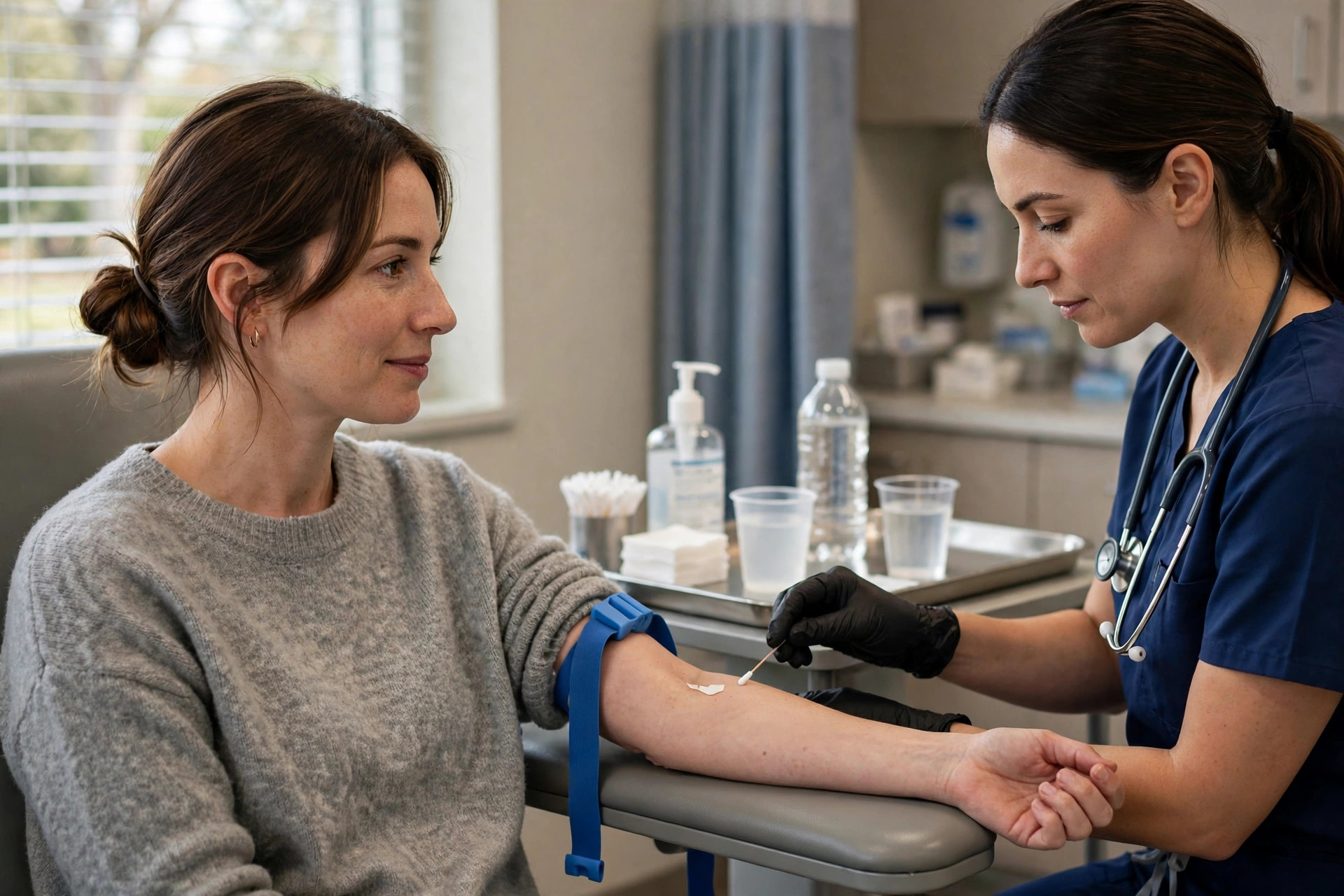
What it is
HbA1c measures average blood glucose over the previous two to three months, from a single non-fasting blood sample, and is the standard test for diagnosing and monitoring type 2 diabetes. The oral glucose tolerance test (OGTT) measures glucose before and two hours after a measured glucose drink — the standard test for diabetes in pregnancy and for impaired glucose tolerance.
Why it is done
HbA1c is used for diabetes diagnosis, monitoring control, and risk assessment. OGTT is used mainly in pregnancy screening for gestational diabetes and when HbA1c is unreliable (for example some anaemias, haemoglobin variants, recent transfusion or rapid glucose changes).
How to prepare
For OGTT you fast overnight and avoid smoking; bring something to read — you sit in the department for over two hours. For HbA1c there is no preparation, but tell the team about anaemia, kidney disease, pregnancy or haemoglobin conditions that can skew it.
What happens during the procedure
OGTT: a fasting sample, then the glucose drink (sweet, taken within a few minutes), then a second sample at two hours; some protocols add a one-hour sample. HbA1c is a single standard sample.
Afterwards — recovery & results
You can eat normally after OGTT finishes. Results are reported to your clinic or midwife; a diabetes-range result is usually confirmed (a second test) if you have no symptoms, per guidelines. Your team discusses targets and follow-up intervals with you.
Risks & considerations
No significant risks. The glucose drink can cause nausea in some people; if you vomit, the test may need repeating. HbA1c interpretation pitfalls are handled by your clinician choosing OGTT or alternative markers when needed.
Related guides on MedicalVideos.com
Frequently asked questions
Why is my HbA1c high when my home readings look fine?
HbA1c captures the whole period including post-meal spikes and overnight levels you may not test. Your clinician may use continuous glucose data alongside to see the full pattern.
Can HbA1c be wrong?
Yes, in specific situations — altered red-cell lifespan (anaemia, transfusion, some haemoglobin variants, advanced kidney disease) makes it unreliable, and your team switches to other tests.
Related procedures — Biopsies, Lab & Pathology Tests
Browse the H section of the A–Z list or return to the Procedures & Tests hub.