
- Physical Examination
- Surgical Examination
- Ophthalmology
- Clinical Skills
- Orthopedics
- Surgery Videos
- Laparoscopy
- Pediatrics
- Funny Videos
- Cardiothoracic Surgery
- Nursing Videos
- Plastic Surgery
- Otorhinolaryngology
- Histology and Histopathology
- Neurosurgery
- Dermatology
- Pediatric Surgery
- Urology
- Dentistry
- Oncology and Cancers
- Anatomy Videos
- Health and Fitness
- Radiology
- Anaesthesia
- Physical Therapy
- Pharmacology
- Interventional Radiology
- Cardiology
- Endocrinology
- Gynecology
- Emergency Medicine
- Psychiatry and Psychology
- Childbirth Videos
- General Medical Videos
- Nephrology
- Physiology
- Diet and Food Health
- Diabetes Mellitus
- Neurology
- Women Health
- Osteoporosis
- Gastroenterology
- Pulmonology
- Hematology
- Rheumatology
- Toxicology
- Nuclear Medicine
- Infectious Diseases
- Vascular Disease
- Reproductive Health
- Burns and Wound Healing
- Kidney Zone Podcast
- Other
Prostate massage and pelvic floor physiotherapy
Category: Minor Procedures, Injections & Pain Relief · All minor procedures, injections & pain relief
What it is
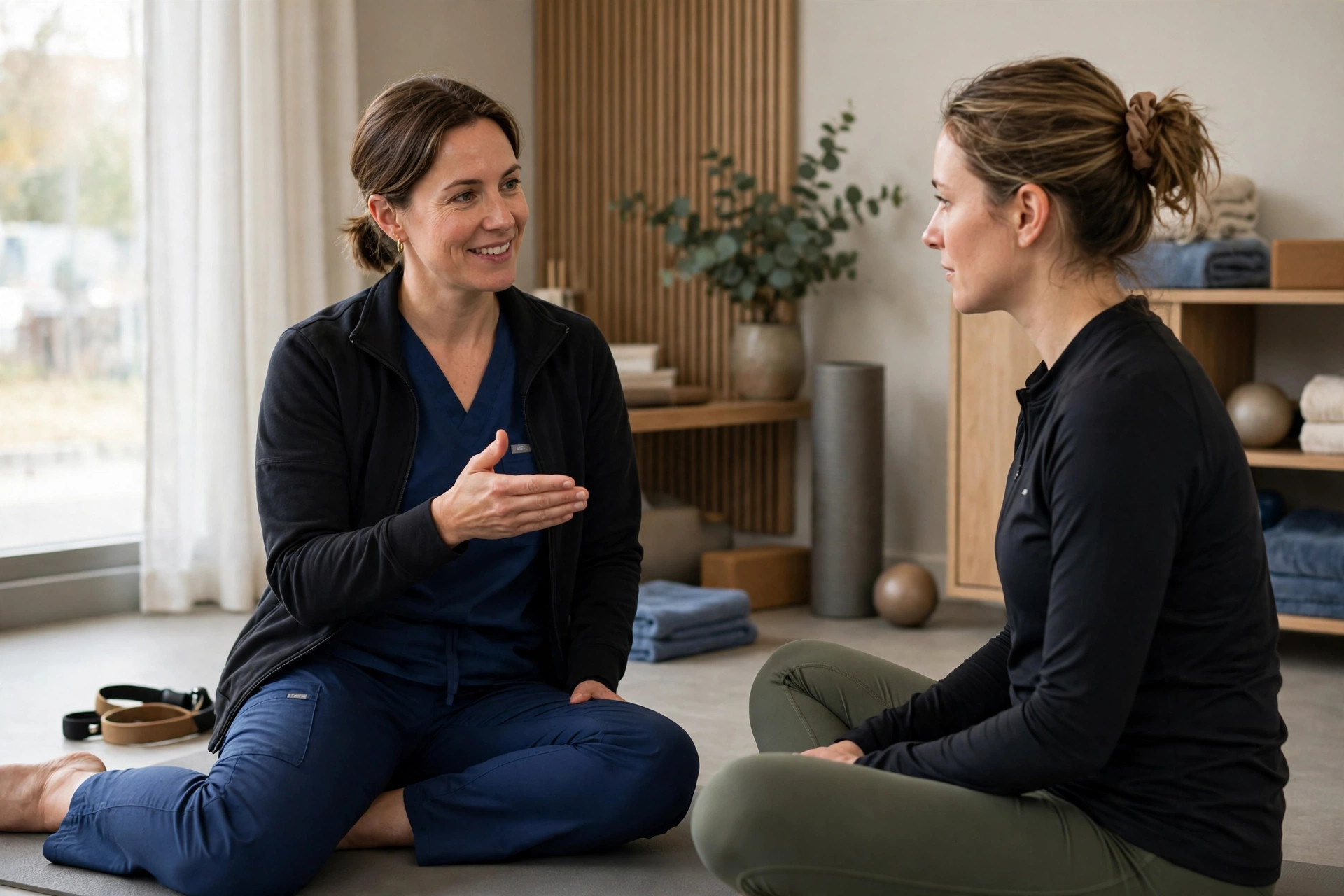
Pelvic floor physiotherapy is a non-surgical treatment for urinary incontinence, pelvic organ prolapse symptoms, chronic pelvic pain and recovery after prostate surgery. It involves assessment of the pelvic floor muscles and a supervised exercise programme, sometimes with biofeedback or electrical stimulation.
Why it is done
It is first-line treatment for stress incontinence (leaking with coughing or exercise), urgency incontinence, and after prostatectomy to regain continence; it also helps men with post-prostatectomy leakage and chronic pelvic pain syndromes.
How to prepare
You will be assessed by a specialist pelvic health physiotherapist — the assessment may include an internal examination (with consent) to test muscle strength and coordination. Bring a bladder diary if you have been keeping one.
What happens during the procedure
Sessions teach correct pelvic floor contraction (the 'squeeze and lift') without tensing abdominals or buttocks, set a home exercise programme (sets of slow and fast contractions), and progress exercises over weeks. Biofeedback uses a sensor or ultrasound to show muscle activity. A typical course is several sessions over two to three months.
Afterwards — recovery & results
Exercises are practised daily at home. Improvement builds over six to twelve weeks; many people see substantial benefit with consistent practice. Your physiotherapist reviews progress and advances the programme.
Risks & considerations
There are no significant risks. The main issue is doing the exercises incorrectly — squeezing the wrong muscles — which the physiotherapist checks and corrects. Persistent symptoms after a good programme lead to further assessment or referral.
Related guides on MedicalVideos.com
Frequently asked questions
How do I know I am doing it right?
You should feel a lift and squeeze at the perineum without holding your breath or clenching your buttocks. Biofeedback or a supervised check confirms technique.
Do men need pelvic floor exercises too?
Yes — after prostate surgery they are the mainstay of regaining continence, and they also help chronic pelvic pain and post-void dribbling.
Related procedures — Minor Procedures, Injections & Pain Relief
Browse the P section of the A–Z list or return to the Procedures & Tests hub.