
- Physical Examination
- Surgical Examination
- Ophthalmology
- Clinical Skills
- Orthopedics
- Surgery Videos
- Laparoscopy
- Pediatrics
- Funny Videos
- Cardiothoracic Surgery
- Nursing Videos
- Plastic Surgery
- Otorhinolaryngology
- Histology and Histopathology
- Neurosurgery
- Dermatology
- Pediatric Surgery
- Urology
- Dentistry
- Oncology and Cancers
- Anatomy Videos
- Health and Fitness
- Radiology
- Anaesthesia
- Physical Therapy
- Pharmacology
- Interventional Radiology
- Cardiology
- Endocrinology
- Gynecology
- Emergency Medicine
- Psychiatry and Psychology
- Childbirth Videos
- General Medical Videos
- Nephrology
- Physiology
- Diet and Food Health
- Diabetes Mellitus
- Neurology
- Women Health
- Osteoporosis
- Gastroenterology
- Pulmonology
- Hematology
- Rheumatology
- Toxicology
- Nuclear Medicine
- Infectious Diseases
- Vascular Disease
- Reproductive Health
- Burns and Wound Healing
- Kidney Zone Podcast
- Other
Pterygium excision
Category: Eye Procedures & Tests · All eye procedures & tests
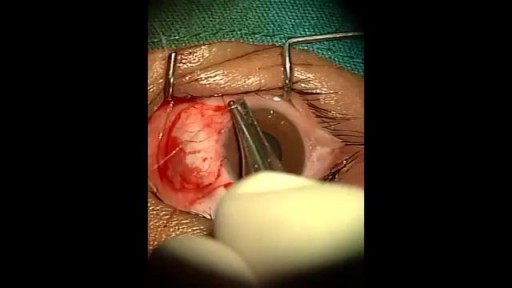
What it is
A pterygium is a fleshy, wing-shaped growth of surface tissue onto the cornea, associated with sun and dust exposure. Excision removes it, usually together with a small graft of healthy surface tissue (conjunctival autograft) to reduce recurrence.
Why it is done
Surgery is advised when the growth approaches or distorts the cornea affecting vision, causes persistent redness and irritation, or restricts eye movement.
How to prepare
Assessment includes photographs and corneal measurements. Surgery is day-case, usually under local anaesthetic; fasting is needed only if sedation is planned. Tell the team about allergies and blood thinners.
What happens during the procedure
With the eye numbed, the surgeon removes the growth from the cornea and sclera and covers the area with a small graft taken from under the upper lid, fixed with stitches or tissue glue. It takes about 30 to 45 minutes.
Afterwards — recovery & results
The eye is often quite red and gritty for one to two weeks, improving steadily. Drops are used for several weeks. Protect the eyes from sun and dust with sunglasses afterwards, which also helps prevent recurrence.
Risks & considerations
The main risk is recurrence — pterygia can regrow, occasionally more aggressively, despite grafting, which substantially lowers the rate. Other risks include infection, graft problems and scarring affecting vision (uncommon).
Watch: Pterygium excision videos
Real procedure videos from the MedicalVideos.com library. Some clinical footage is graphic — that is the nature of a medical video library.
Frequently asked questions
Why use a graft?
Bare removal has a high regrowth rate. Covering the area with your own healthy surface tissue is the most effective way to discourage recurrence.
Could it be cancer?
Very rarely a similar-looking growth is something else; removed tissue is usually sent to the laboratory to confirm it is a benign pterygium.
Related procedures — Eye Procedures & Tests
Browse the P section of the A–Z list or return to the Procedures & Tests hub.