
- Physical Examination
- Surgical Examination
- Ophthalmology
- Clinical Skills
- Orthopedics
- Surgery Videos
- Laparoscopy
- Pediatrics
- Funny Videos
- Cardiothoracic Surgery
- Nursing Videos
- Plastic Surgery
- Otorhinolaryngology
- Histology and Histopathology
- Neurosurgery
- Dermatology
- Pediatric Surgery
- Urology
- Dentistry
- Oncology and Cancers
- Anatomy Videos
- Health and Fitness
- Radiology
- Anaesthesia
- Physical Therapy
- Pharmacology
- Interventional Radiology
- Cardiology
- Endocrinology
- Gynecology
- Emergency Medicine
- Psychiatry and Psychology
- Childbirth Videos
- General Medical Videos
- Nephrology
- Physiology
- Diet and Food Health
- Diabetes Mellitus
- Neurology
- Women Health
- Osteoporosis
- Gastroenterology
- Pulmonology
- Hematology
- Rheumatology
- Toxicology
- Nuclear Medicine
- Infectious Diseases
- Vascular Disease
- Reproductive Health
- Burns and Wound Healing
- Kidney Zone Podcast
- Other
Retinal laser (photocoagulation)
Category: Eye Procedures & Tests · All eye procedures & tests
What it is
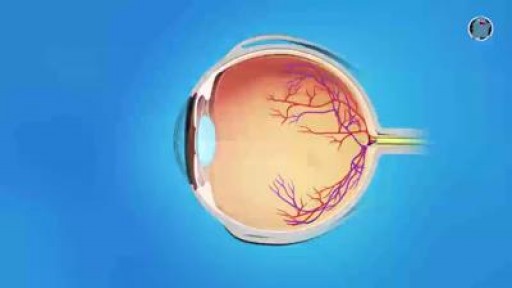
Retinal laser treatment (photocoagulation) uses a focused laser to make tiny, controlled burns in the retina. Patterns vary: scattered treatment (panretinal) for abnormal new blood vessels in diabetic eye disease, focal treatment for leaking areas, and sealing treatment around retinal tears to prevent detachment.
Why it is done
It is used to treat proliferative diabetic retinopathy, some retinal vein occlusion complications, and to seal retinal tears and holes before fluid detaches the retina.
How to prepare
Your pupils are dilated, which blurs vision for several hours — do not drive yourself. Tell the team about eye conditions and allergies. Treatment may be staged over several sessions for extensive disease.
What happens during the procedure
You sit at the laser with a contact lens on the numbed eye (sometimes local anaesthetic is used for extensive sessions). Hundreds of short pulses may be applied; you see bright flashes and may feel mild stabs of discomfort. A session usually takes 15 to 30 minutes.
Afterwards — recovery & results
Vision may be dimmer and colours washed out for a day. Extensive panretinal treatment can permanently reduce peripheral and night vision somewhat — a trade-off to protect central sight from bleeding and detachment. Follow-up scans and examinations continue as part of diabetic eye care.
Risks & considerations
Risks include short-term blurred vision, reduced night or side vision after extensive treatment, accidental burn to the central retina (rare with modern technique), and fluid swelling that sometimes needs injections as well. Your specialist will explain the plan for your eyes.
Watch: Retinal laser (photocoagulation) videos
Real procedure videos from the MedicalVideos.com library. Some clinical footage is graphic — that is the nature of a medical video library.
Related guides on MedicalVideos.com
Frequently asked questions
Does the laser cure diabetic eye disease?
It does not reverse diabetes effects, but timely laser greatly reduces the risk of severe sight loss from new vessels and bleeding. Blood sugar, blood pressure and cholesterol control remain essential.
Why do I also need injections?
Injections treat swelling at the centre (macular oedema) while laser treats new vessels or tears — they address different problems and are often combined.
Related procedures — Eye Procedures & Tests
Browse the R section of the A–Z list or return to the Procedures & Tests hub.