
- Physical Examination
- Surgical Examination
- Ophthalmology
- Clinical Skills
- Orthopedics
- Surgery Videos
- Laparoscopy
- Pediatrics
- Funny Videos
- Cardiothoracic Surgery
- Nursing Videos
- Plastic Surgery
- Otorhinolaryngology
- Histology and Histopathology
- Neurosurgery
- Dermatology
- Pediatric Surgery
- Urology
- Dentistry
- Oncology and Cancers
- Anatomy Videos
- Health and Fitness
- Radiology
- Anaesthesia
- Physical Therapy
- Pharmacology
- Interventional Radiology
- Cardiology
- Endocrinology
- Gynecology
- Emergency Medicine
- Psychiatry and Psychology
- Childbirth Videos
- General Medical Videos
- Nephrology
- Physiology
- Diet and Food Health
- Diabetes Mellitus
- Neurology
- Women Health
- Osteoporosis
- Gastroenterology
- Pulmonology
- Hematology
- Rheumatology
- Toxicology
- Nuclear Medicine
- Infectious Diseases
- Vascular Disease
- Reproductive Health
- Burns and Wound Healing
- Kidney Zone Podcast
- Other
Six-minute walk test
Category: Lung & Breathing Tests · All lung & breathing tests
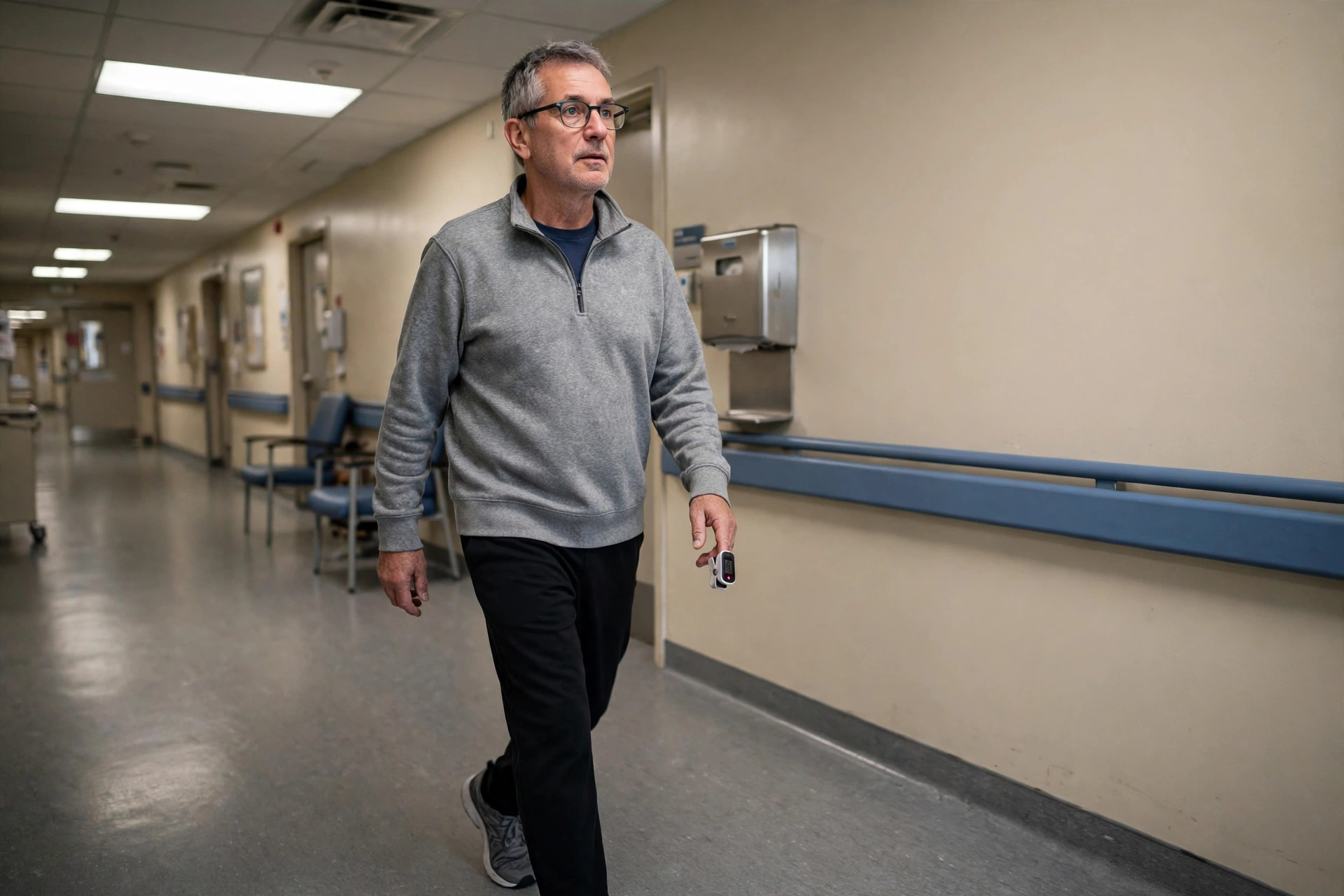
What it is
The six-minute walk test measures how far you can walk on a flat corridor in six minutes at your own fastest comfortable pace, with oxygen levels and heart rate monitored. It reflects real-world exercise capacity in heart and lung disease.
Why it is done
It is used to assess severity and track progress in COPD, pulmonary hypertension, heart failure and interstitial lung disease, to evaluate response to treatments and rehabilitation, and in transplant assessment.
How to prepare
Wear comfortable shoes and clothes; bring your usual walking aids and inhalers. Avoid a heavy meal beforehand. Tell the team about joint pain, chest pain history and any oxygen use — the test may be done with your usual oxygen.
What happens during the procedure
After resting measurements (blood pressure, pulse, oxygen, breathlessness score), you walk back and forth along a marked flat course for six minutes, with standardised encouragement each minute. You may slow down or rest standing if needed; the clock keeps running. Oxygen and symptoms are recorded throughout.
Afterwards — recovery & results
You recover seated while observations are repeated. Results (distance walked, oxygen dips, symptoms) are compared with previous tests to judge change and are discussed in clinic.
Risks & considerations
Risks are low: breathlessness and fatigue are expected, and the test is stopped for chest pain, severe breathlessness, dizziness or oxygen falling below the safety threshold set by your team.
Related guides on MedicalVideos.com
Frequently asked questions
Why six minutes?
It is long enough to stress the system meaningfully but short enough for most patients, and decades of standardisation make distances comparable between visits and centres.
My distance improved after rehab — is that real?
Yes — improvements beyond a threshold (around 30 metres in many lung conditions) are considered meaningful and reflect genuine gains in function.
Related procedures — Lung & Breathing Tests
Browse the S section of the A–Z list or return to the Procedures & Tests hub.