
- Physical Examination
- Surgical Examination
- Ophthalmology
- Clinical Skills
- Orthopedics
- Surgery Videos
- Laparoscopy
- Pediatrics
- Funny Videos
- Cardiothoracic Surgery
- Nursing Videos
- Plastic Surgery
- Otorhinolaryngology
- Histology and Histopathology
- Neurosurgery
- Dermatology
- Pediatric Surgery
- Urology
- Dentistry
- Oncology and Cancers
- Anatomy Videos
- Health and Fitness
- Radiology
- Anaesthesia
- Physical Therapy
- Pharmacology
- Interventional Radiology
- Cardiology
- Endocrinology
- Gynecology
- Emergency Medicine
- Psychiatry and Psychology
- Childbirth Videos
- General Medical Videos
- Nephrology
- Physiology
- Diet and Food Health
- Diabetes Mellitus
- Neurology
- Women Health
- Osteoporosis
- Gastroenterology
- Pulmonology
- Hematology
- Rheumatology
- Toxicology
- Nuclear Medicine
- Infectious Diseases
- Vascular Disease
- Reproductive Health
- Burns and Wound Healing
- Kidney Zone Podcast
- Other
Sputum tests and TB testing
Category: Biopsies, Lab & Pathology Tests · All biopsies, lab & pathology tests
What it is
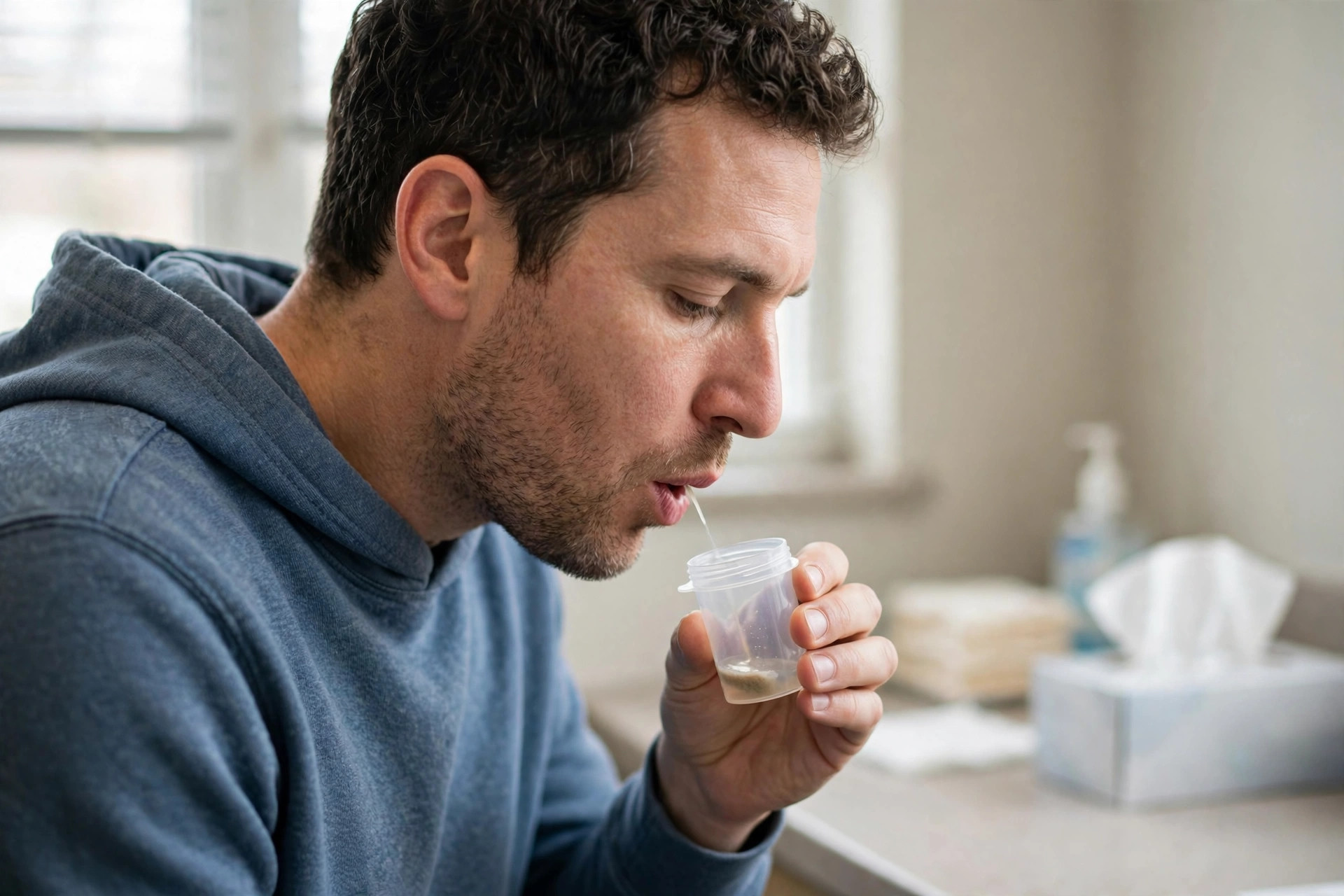
Sputum tests examine coughed-up phlegm under the microscope and by culture/PCR to identify infections — including tuberculosis (TB) — and sometimes cancer cells. TB blood tests (interferon-gamma release assays) and skin tests detect immune memory of TB without needing sputum.
Why it is done
They investigate persistent cough, coughing blood, fevers and weight loss, pneumonia that is not improving, and screen people at risk of latent TB before immune-suppressing treatments.
How to prepare
For sputum, deep-coughed samples (not saliva) are needed, ideally early morning, sometimes on several days. Tell the team about recent antibiotics. For the TB blood test, a normal blood draw is used — inform the clinic about immune problems that can blunt the result.
What happens during the procedure
You cough deeply from the chest into a sterile pot. In the laboratory the sample is stained for acid-fast bacilli (TB), cultured over days to weeks, and tested by rapid PCR for TB and drug resistance where indicated. TB blood tests incubate your blood with TB antigens and measure the immune response.
Afterwards — recovery & results
Results: PCR within days, cultures over up to six to eight weeks for TB (growth is slow). Your team contacts you with results; a TB diagnosis triggers specialist care, contact tracing support and free treatment pathways in most systems.
Risks & considerations
No risks from providing samples. Testing is interpreted with chest imaging and your story; a single negative sputum does not exclude TB, which is why multiple samples are standard.
Related guides on MedicalVideos.com
Frequently asked questions
What is latent TB?
TB bacteria held in check by the immune system — no symptoms, not infectious, but able to reactivate later, especially if immunity is suppressed. Blood tests detect it and preventive treatment can be offered.
Why three sputum samples?
TB organisms are shed intermittently; multiple samples substantially increase the chance of detection.
Related procedures — Biopsies, Lab & Pathology Tests
Browse the S section of the A–Z list or return to the Procedures & Tests hub.