
- Physical Examination
- Surgical Examination
- Ophthalmology
- Clinical Skills
- Orthopedics
- Surgery Videos
- Laparoscopy
- Pediatrics
- Funny Videos
- Cardiothoracic Surgery
- Nursing Videos
- Plastic Surgery
- Otorhinolaryngology
- Histology and Histopathology
- Neurosurgery
- Dermatology
- Pediatric Surgery
- Urology
- Dentistry
- Oncology and Cancers
- Anatomy Videos
- Health and Fitness
- Radiology
- Anaesthesia
- Physical Therapy
- Pharmacology
- Interventional Radiology
- Cardiology
- Endocrinology
- Gynecology
- Emergency Medicine
- Psychiatry and Psychology
- Childbirth Videos
- General Medical Videos
- Nephrology
- Physiology
- Diet and Food Health
- Diabetes Mellitus
- Neurology
- Women Health
- Osteoporosis
- Gastroenterology
- Pulmonology
- Hematology
- Rheumatology
- Toxicology
- Nuclear Medicine
- Infectious Diseases
- Vascular Disease
- Reproductive Health
- Burns and Wound Healing
- Kidney Zone Podcast
- Other
Strabismus (squint) surgery
Category: Eye Procedures & Tests · All eye procedures & tests
What it is
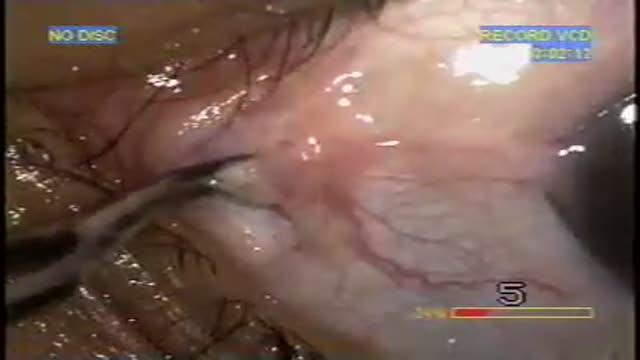
Strabismus surgery adjusts the position or tension of the muscles that move the eye to improve alignment of the eyes. Muscles are weakened (moved back), strengthened (shortened) or repositioned through small openings in the eye's surface covering.
Why it is done
It is used for squints (misaligned eyes) in children and adults, to improve alignment, relieve double vision, reduce abnormal head posture and improve the appearance of the eyes.
How to prepare
Assessment includes detailed measurements of the deviation, vision and binocular function tests, and photographs. In children surgery is usually under general anaesthetic as a day case; adults may have adjustable stitches under local anaesthesia with sedation. Fasting instructions apply.
What happens during the procedure
Through a small cut in the conjunctiva, the surgeon exposes the muscle and repositions it on the eyeball with fine stitches. With adjustable sutures, fine-tuning is done later the same day while you are awake. Surgery takes 30 to 90 minutes depending on muscles involved.
Afterwards — recovery & results
The eye is red and sore for a couple of weeks, with a gritty feeling; drops are used as directed. Children usually return to school within a week. Double vision can occur temporarily while the brain adapts. Glasses and follow-up measurements continue, and some people need more than one operation over time.
Risks & considerations
Risks include infection, over- or under-correction (common enough that further surgery is sometimes planned), persistent double vision (uncommon), and rare injury to the eyeball. The surgeon will discuss the goals — which may be functional, cosmetic or both — before surgery.
Watch: Strabismus (squint) surgery videos
Real procedure videos from the MedicalVideos.com library. Some clinical footage is graphic — that is the nature of a medical video library.
Frequently asked questions
Does squint surgery improve vision itself?
It aligns the eyes; it does not change the eye's focusing or a lazy eye's vision directly. In children, patching or glasses treat the vision while surgery treats alignment.
Why adjustable stitches?
They let the surgeon fine-tune alignment after you wake, when the true eye position can be measured — improving the chance of a precise result in adults.
Related procedures — Eye Procedures & Tests
Browse the S section of the A–Z list or return to the Procedures & Tests hub.