
- Physical Examination
- Surgical Examination
- Ophthalmology
- Clinical Skills
- Orthopedics
- Surgery Videos
- Laparoscopy
- Pediatrics
- Funny Videos
- Cardiothoracic Surgery
- Nursing Videos
- Plastic Surgery
- Otorhinolaryngology
- Histology and Histopathology
- Neurosurgery
- Dermatology
- Pediatric Surgery
- Urology
- Dentistry
- Oncology and Cancers
- Anatomy Videos
- Health and Fitness
- Radiology
- Anaesthesia
- Physical Therapy
- Pharmacology
- Interventional Radiology
- Cardiology
- Endocrinology
- Gynecology
- Emergency Medicine
- Psychiatry and Psychology
- Childbirth Videos
- General Medical Videos
- Nephrology
- Physiology
- Diet and Food Health
- Diabetes Mellitus
- Neurology
- Women Health
- Osteoporosis
- Gastroenterology
- Pulmonology
- Hematology
- Rheumatology
- Toxicology
- Nuclear Medicine
- Infectious Diseases
- Vascular Disease
- Reproductive Health
- Burns and Wound Healing
- Kidney Zone Podcast
- Other
TURP (prostate resection)
Category: Urology Procedures & Tests · All urology procedures & tests
What it is
Transurethral resection of the prostate (TURP) removes the inner part of an enlarged prostate that is squeezing the urine tube, using an electric loop passed through the penis with a telescope — no external cuts. The removed tissue is sent to the laboratory.
Why it is done
It treats urinary symptoms from benign prostate enlargement — weak stream, hesitancy, frequency, night-time urination, retention — when medicines have not worked or complications have developed. Newer alternatives (laser, steam, implants) exist and your urologist will discuss which suits you.
How to prepare
You will have urine tests, blood tests, a flow test and bladder scan, and prostate assessment. Blood thinners need a plan — some must be stopped. Anaesthetic is usually spinal (numb from the waist down) or general.
What happens during the procedure
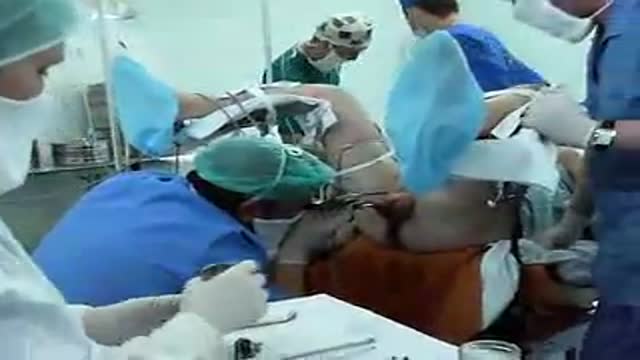
Through the telescope (resectoscope), the surgeon shaves away the obstructing prostate tissue in chips and seals blood vessels as they go; irrigation fluid keeps the view clear. Surgery takes about 45 to 90 minutes. A catheter is left in the bladder to drain and wash out blood afterwards.
Afterwards — recovery & results
The catheter usually comes out after one to three days once the urine clears. Passing urine may sting and be frequent at first, blood flecks can appear for a few weeks (a secondary bleed around 10–14 days can occur as scabs separate — drink well and seek advice if heavy). Full settling takes six to twelve weeks; avoid heavy lifting early.
Risks & considerations
Risks include bleeding (occasionally needing transfusion or return to theatre), infection, water absorption from irrigation fluid (TUR syndrome — rare with modern fluids), narrowing of the urine tube or bladder neck later, and retrograde ejaculation (semen goes backwards into the bladder — common and harmless but affects fertility). Erection problems are uncommon. Your surgeon will discuss your situation.
Watch: TURP (prostate resection) videos
Real procedure videos from the MedicalVideos.com library. Some clinical footage is graphic — that is the nature of a medical video library.
Frequently asked questions
Will I still ejaculate normally?
Usually ejaculation becomes retrograde — semen passes into the bladder and out with the next urine. Sensation remains, but natural conception is affected; discuss this before surgery if fertility matters.
How soon will my flow improve?
Often noticeably once the catheter is out, with continued improvement over weeks as swelling settles.
Related procedures — Urology Procedures & Tests
Browse the T section of the A–Z list or return to the Procedures & Tests hub.