
- Physical Examination
- Surgical Examination
- Ophthalmology
- Clinical Skills
- Orthopedics
- Surgery Videos
- Laparoscopy
- Pediatrics
- Funny Videos
- Cardiothoracic Surgery
- Nursing Videos
- Plastic Surgery
- Otorhinolaryngology
- Histology and Histopathology
- Neurosurgery
- Dermatology
- Pediatric Surgery
- Urology
- Dentistry
- Oncology and Cancers
- Anatomy Videos
- Health and Fitness
- Radiology
- Anaesthesia
- Physical Therapy
- Pharmacology
- Interventional Radiology
- Cardiology
- Endocrinology
- Gynecology
- Emergency Medicine
- Psychiatry and Psychology
- Childbirth Videos
- General Medical Videos
- Nephrology
- Physiology
- Diet and Food Health
- Diabetes Mellitus
- Neurology
- Women Health
- Osteoporosis
- Gastroenterology
- Pulmonology
- Hematology
- Rheumatology
- Toxicology
- Nuclear Medicine
- Infectious Diseases
- Vascular Disease
- Reproductive Health
- Burns and Wound Healing
- Kidney Zone Podcast
- Other
Vitrectomy
Category: Eye Procedures & Tests · All eye procedures & tests
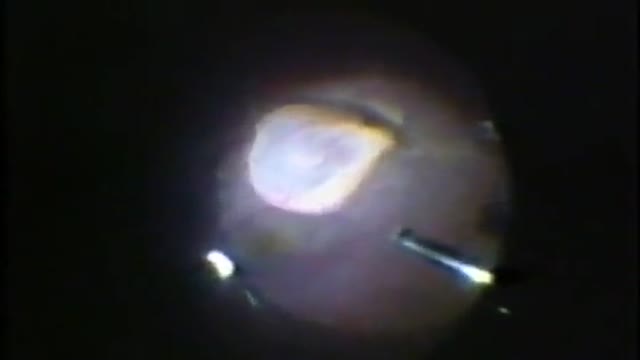
What it is
Vitrectomy is surgery inside the eye in which the gel (vitreous) is removed through tiny ports and the retina is treated directly — for example reattaching a detached retina, peeling membranes, or clearing blood that will not settle.
Why it is done
Indications include retinal detachment, vitreous haemorrhage (bleeding into the gel, often from diabetes), macular hole, wrinkling membranes on the macula (epiretinal membrane), and complications of other eye surgery.
How to prepare
You will have detailed retinal scans and examination, anaesthetic assessment (surgery may be local with sedation or general), and fasting if required. Tell the team about all medicines including blood thinners.
What happens during the procedure
Through three small ports in the white of the eye, the surgeon removes the gel, treats the retina with laser or membrane peeling, and often leaves a gas or oil bubble inside to hold the retina in place. Surgery takes one to two hours typically. The eye is padded afterwards.
Afterwards — recovery & results
Recovery depends on the condition. With a gas bubble you may need to keep your head in specific positions ('posturing') for days, vision is very blurred until the bubble absorbs over weeks, and you must not fly or go to high altitude while gas is present. With oil, a second small operation removes it later. Follow-up is close, especially in the first weeks.
Risks & considerations
Risks include infection, bleeding, retinal detachment or re-detachment, cataract development (very common after vitrectomy in natural-lens eyes), pressure problems, and the underlying condition limiting final vision. Your surgeon will give a realistic prognosis for your eye.
Watch: Vitrectomy videos
Real procedure videos from the MedicalVideos.com library. Some clinical footage is graphic — that is the nature of a medical video library.
Related guides on MedicalVideos.com
Frequently asked questions
Why the funny head positions?
The gas bubble floats up; positioning places the bubble against the part of the retina that needs holding while it heals. Your team will show you the exact postures.
Can I fly with a gas bubble in my eye?
No. Changes in cabin pressure expand the gas and can dangerously raise eye pressure. You must wait until your surgeon confirms the bubble has gone.
Related procedures — Eye Procedures & Tests
Browse the V section of the A–Z list or return to the Procedures & Tests hub.