
- Physical Examination
- Surgical Examination
- Ophthalmology
- Clinical Skills
- Orthopedics
- Surgery Videos
- Laparoscopy
- Pediatrics
- Funny Videos
- Cardiothoracic Surgery
- Nursing Videos
- Plastic Surgery
- Otorhinolaryngology
- Histology and Histopathology
- Neurosurgery
- Dermatology
- Pediatric Surgery
- Urology
- Dentistry
- Oncology and Cancers
- Anatomy Videos
- Health and Fitness
- Radiology
- Anaesthesia
- Physical Therapy
- Pharmacology
- Interventional Radiology
- Cardiology
- Endocrinology
- Gynecology
- Emergency Medicine
- Psychiatry and Psychology
- Childbirth Videos
- General Medical Videos
- Nephrology
- Physiology
- Diet and Food Health
- Diabetes Mellitus
- Neurology
- Women Health
- Osteoporosis
- Gastroenterology
- Pulmonology
- Hematology
- Rheumatology
- Toxicology
- Nuclear Medicine
- Infectious Diseases
- Vascular Disease
- Reproductive Health
- Burns and Wound Healing
- Kidney Zone Podcast
- Other
Infections & Sexual Health
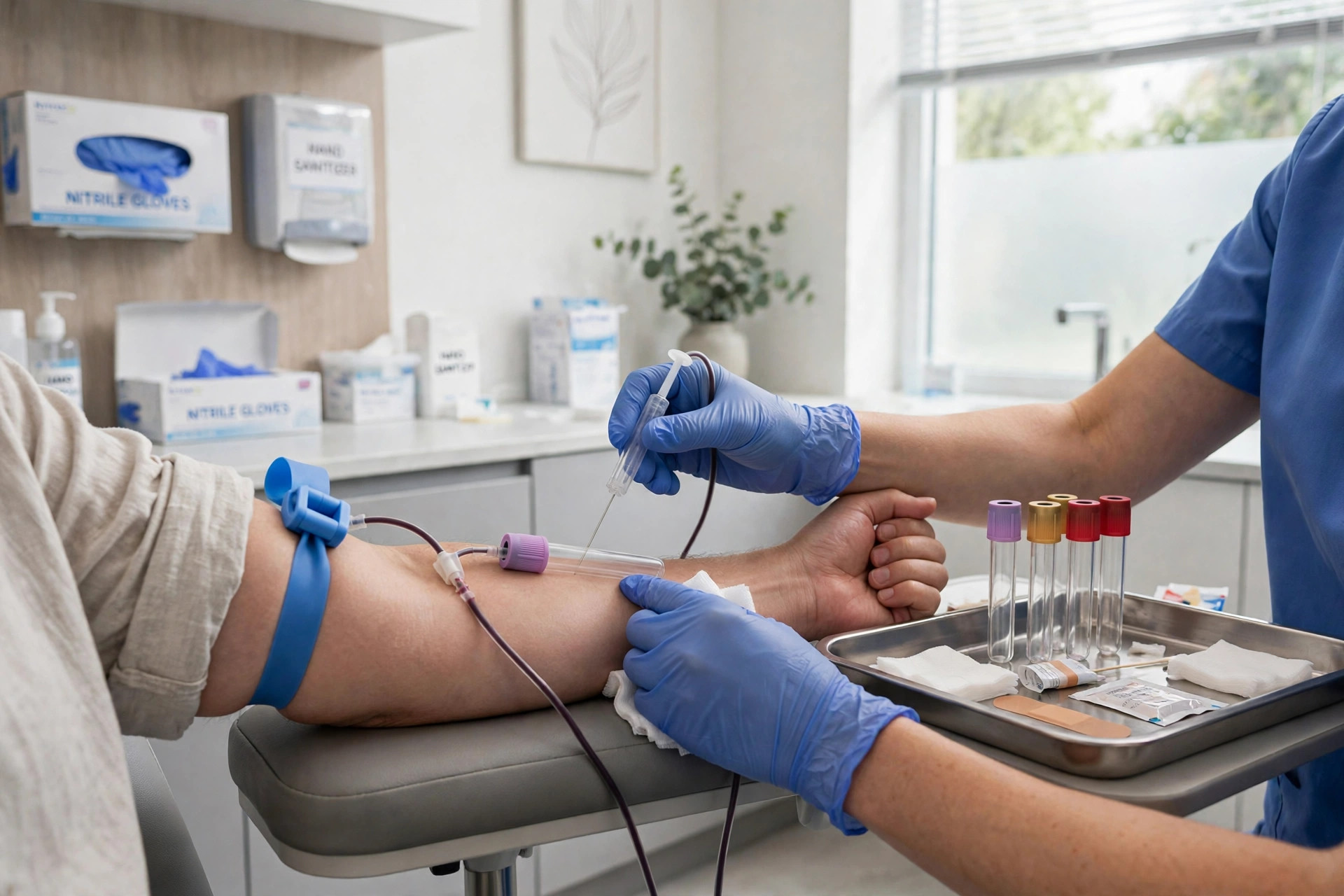
Several serious infections can live in the body for years without symptoms — HIV, hepatitis B and C, syphilis, chlamydia and latent tuberculosis among them. A simple blood test, urine test or swab can find them early, when treatment works best and spread to others can be stopped.
Guides in this category
7 guides — each explains who the test is for, what happens during it, and what the results can mean.
HIV ScreeningUSPSTF grade A · HIV can be silent for years while treatment works best early.Hepatitis B ScreeningUSPSTF grade B / A · Hepatitis B can damage the liver silently for decades.Hepatitis C ScreeningUSPSTF grade B · Hepatitis C is curable, but most people who have it do not know.Syphilis ScreeningUSPSTF grade A · Syphilis is rising again and is easily missed — its early stages can be painless or invisible.Chlamydia & Gonorrhea ScreeningUSPSTF grade B · Chlamydia and gonorrhea usually cause no symptoms, yet can damage fertility.Latent Tuberculosis (TB) ScreeningUSPSTF grade B · Latent TB sleeps in the body without symptoms but can wake up years later.STI Prevention CounselingUSPSTF grade B · Brief, practical counseling reduces sexually transmitted infections.About these recommendations
Testing is routine, quick and confidential, and a positive screening result is always checked with a second, confirmatory test before any diagnosis is made. These guides explain who each test is recommended for, following the US Preventive Services Task Force (USPSTF). If you have symptoms, or a partner has told you they have an infection, do not wait for a routine screen — get tested promptly.
Useful links and tools
Other screening categories
- Cancer Screening
- Heart & Metabolic Health
- Women's Health & Pregnancy
- Mental Health & Habits
- Bone, Senses, Children & Older Adults
This guide explains how a screening test usually works and who it is generally offered to. It is general educational information only — not medical advice, and not a recommendation for you personally. Screening decisions depend on your age, history and risk, so talk to your own clinician about which tests you need and when. If you have symptoms now, do not wait for a screening test — seek medical care promptly.