
- Physical Examination
- Surgical Examination
- Ophthalmology
- Clinical Skills
- Orthopedics
- Surgery Videos
- Laparoscopy
- Pediatrics
- Funny Videos
- Cardiothoracic Surgery
- Nursing Videos
- Plastic Surgery
- Otorhinolaryngology
- Histology and Histopathology
- Neurosurgery
- Dermatology
- Pediatric Surgery
- Urology
- Dentistry
- Oncology and Cancers
- Anatomy Videos
- Health and Fitness
- Radiology
- Anaesthesia
- Physical Therapy
- Pharmacology
- Interventional Radiology
- Cardiology
- Endocrinology
- Gynecology
- Emergency Medicine
- Psychiatry and Psychology
- Childbirth Videos
- General Medical Videos
- Nephrology
- Physiology
- Diet and Food Health
- Diabetes Mellitus
- Neurology
- Women Health
- Osteoporosis
- Gastroenterology
- Pulmonology
- Hematology
- Rheumatology
- Toxicology
- Nuclear Medicine
- Infectious Diseases
- Vascular Disease
- Reproductive Health
- Burns and Wound Healing
- Kidney Zone Podcast
- Other
Cataract surgery (phacoemulsification): What to Expect & Recovery
Cataract surgery replaces the cloudy lens with a clear artificial one through a tiny incision — day surgery of 20 to 45 minutes under local anaesthetic drops. Most people are home the same day, use drops for about 4 weeks, and get a final glasses check at 4 to 6 weeks.
Before surgery: how to prepare
- Measurements of your eye (biometry) are taken at a pre-assessment visit to choose the lens power — tell the team whether you aim to be glasses-free for distance, reading, or balanced; the lens choice is made then, not on the day.
- You may eat and drink normally for drop-anaesthetic surgery; if sedation is planned, follow the fasting instructions given.
- Arrange a lift home — you cannot drive yourself afterwards, and vision in the operated eye is blurred initially.
- Buy a supply of the prescribed drops plan in advance if asked, and arrange help instilling drops if your hands or other eye make it difficult.
The day of surgery
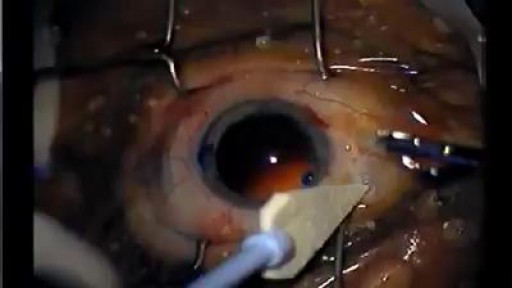
Anaesthetic drops (sometimes with a small injection) numb the eye. Through a micro-incision, ultrasound breaks up the cloudy lens (phacoemulsification), the fragments are removed, and a folded artificial lens unfolds into place. It is usually stitch-free. You rest briefly with a shield or pad over the eye and go home with drops and a leaflet on what to expect.
In hospital
Recovery timeline
Every recovery is individual, but most follow this general arc:
Warning signs: when to get help
- Increasing pain in the eye, especially after the first day
- Vision getting worse after initial improvement, or new floaters with flashes of light
- Increasing redness, swelling or sticky discharge (possible infection — same-day assessment)
- A curtain or shadow across the vision
- Severe headache with nausea in the first days (raised pressure — urgent review)
Related topics
Watch: real operation videos
From the MedicalVideos library. Some surgical videos are graphic and intended for education.
Frequently asked questions
When will I see properly?
Colours usually look brighter immediately, and clarity improves over days as the eye settles and the drop course progresses. Full stabilisation — when glasses are prescribed — takes about 4 to 6 weeks. A degree of glare or shadowing at the edge of vision in the first weeks is common and fades.
Can the cataract grow back?
No — the cloudy lens is removed permanently. What can cloud later is the thin membrane left behind to hold the new lens (posterior capsule opacification), months or years on. If it blurs vision, a painless 5-minute laser procedure (YAG capsulotomy) clears it.
Medically reviewed by Dr. Mohamed Ibrahim, Assistant Professor of Medicine, Transplant Nephrology, University of Maryland School of Medicine. Last reviewed: 12 November 2026.