
- Physical Examination
- Surgical Examination
- Ophthalmology
- Clinical Skills
- Orthopedics
- Surgery Videos
- Laparoscopy
- Pediatrics
- Funny Videos
- Cardiothoracic Surgery
- Nursing Videos
- Plastic Surgery
- Otorhinolaryngology
- Histology and Histopathology
- Neurosurgery
- Dermatology
- Pediatric Surgery
- Urology
- Dentistry
- Oncology and Cancers
- Anatomy Videos
- Health and Fitness
- Radiology
- Anaesthesia
- Physical Therapy
- Pharmacology
- Interventional Radiology
- Cardiology
- Endocrinology
- Gynecology
- Emergency Medicine
- Psychiatry and Psychology
- Childbirth Videos
- General Medical Videos
- Nephrology
- Physiology
- Diet and Food Health
- Diabetes Mellitus
- Neurology
- Women Health
- Osteoporosis
- Gastroenterology
- Pulmonology
- Hematology
- Rheumatology
- Toxicology
- Nuclear Medicine
- Infectious Diseases
- Vascular Disease
- Reproductive Health
- Burns and Wound Healing
- Kidney Zone Podcast
- Other
Eye Surgery
Cataract, eyelid, retinal and other eye operations — mostly day-case surgery, where drops, eye protection and (for some retinal surgery) head positioning are the keys to a smooth recovery.
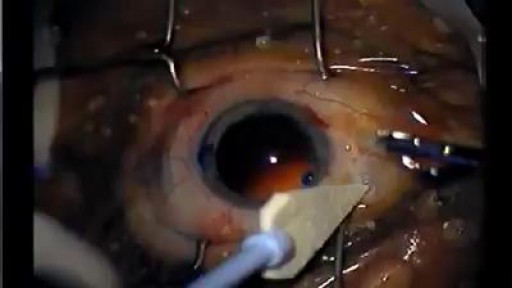 Cataract surgery (phacoemulsification)
 Corneal cross-linking
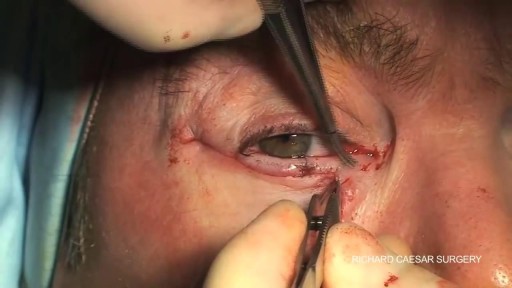 Entropion / ectropion repair
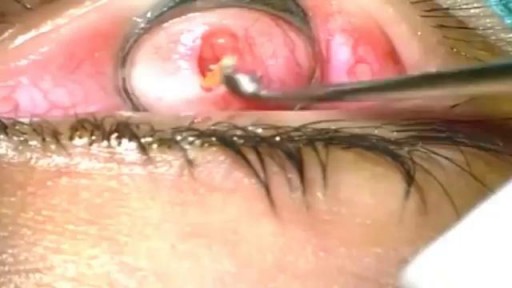 Eyelid surgery (blepharoplasty / ptosis repair)
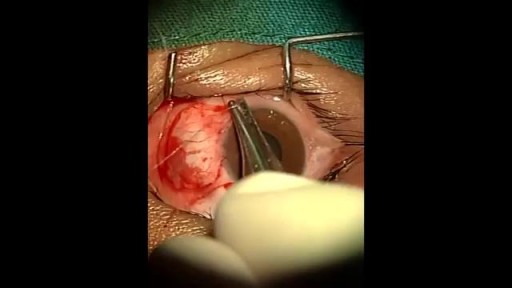 Pterygium excision
 Strabismus (squint) surgery
 Vitrectomy
Important: These pages are general education about preparing for surgery and recovering afterwards. They are not medical advice and do not replace the instructions of your own surgical team, who know your operation and your health. Timings given here are typical ranges from hospital and health-service patient guides; your own recovery may be faster or slower. If anything here differs from what your team has told you, follow your team — and contact them promptly if you are worried about any symptom after surgery.