
- Physical Examination
- Surgical Examination
- Ophthalmology
- Clinical Skills
- Orthopedics
- Surgery Videos
- Laparoscopy
- Pediatrics
- Funny Videos
- Cardiothoracic Surgery
- Nursing Videos
- Plastic Surgery
- Otorhinolaryngology
- Histology and Histopathology
- Neurosurgery
- Dermatology
- Pediatric Surgery
- Urology
- Dentistry
- Oncology and Cancers
- Anatomy Videos
- Health and Fitness
- Radiology
- Anaesthesia
- Physical Therapy
- Pharmacology
- Interventional Radiology
- Cardiology
- Endocrinology
- Gynecology
- Emergency Medicine
- Psychiatry and Psychology
- Childbirth Videos
- General Medical Videos
- Nephrology
- Physiology
- Diet and Food Health
- Diabetes Mellitus
- Neurology
- Women Health
- Osteoporosis
- Gastroenterology
- Pulmonology
- Hematology
- Rheumatology
- Toxicology
- Nuclear Medicine
- Infectious Diseases
- Vascular Disease
- Reproductive Health
- Burns and Wound Healing
- Kidney Zone Podcast
- Other
Colectomy (bowel resection): What to Expect & Recovery
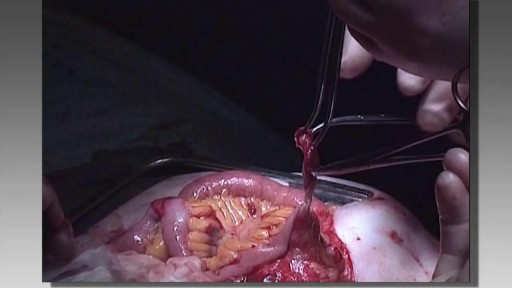
A colectomy removes part (or all) of the large bowel and joins the ends back together, sometimes with a temporary stoma. Modern enhanced-recovery care gets you drinking, eating and walking early, and most people rebuild steadily over several weeks.
Before surgery: how to prepare
- Your team may give you bowel preparation and specific eating and drinking instructions for the days before surgery — follow them exactly.
- Go through medicines carefully: blood thinners, diabetes medicines and blood-pressure tablets commonly need a plan.
- If a stoma is possible, a stoma nurse will often mark the best site on your tummy before surgery and talk through what to expect.
- Prepare home: stock easy meals, arrange help for the first couple of weeks, and plan on loose clothing around your tummy.
The day of surgery
Under a general anaesthetic (often combined with an epidural or spinal for pain control), the surgeon removes the diseased section of bowel through keyhole cuts or one larger cut, and joins the remaining ends or brings out a stoma. You wake with a drip, sometimes a catheter and a drain, and pain relief tailored to get you moving early.
In hospital
Recovery timeline
Every recovery is individual, but most follow this general arc:
Warning signs: when to get help
- Severe or worsening abdominal pain, or a swelling, hard tummy
- Fever, shaking chills or feeling acutely unwell
- Vomiting, or no bowel motion or wind for longer than your team advised
- Heavy bleeding from the wound, back passage or stoma
- A wound or stoma that becomes very red, hot, swollen or leaks pus
- Calf pain or swelling, chest pain or breathlessness
Related topics
Watch: real operation videos
From the MedicalVideos library. Some surgical videos are graphic and intended for education.
Frequently asked questions
Will I need a stoma?
Not always. Many bowel resections are joined back together in one operation. A stoma — temporary or occasionally permanent — is created when a join would be unsafe to leave unprotected, or in some emergency operations. Your surgeon will discuss the likelihood before surgery, and stoma nurses provide close support if you have one.
How will my bowel habit change?
In the early weeks stools are often looser and more frequent, and urgency can be unpredictable. This usually improves steadily as the remaining bowel adapts. Tell your team if diarrhoea is severe or persistent, as dehydration is the main early risk.
Medically reviewed by Dr. Mohamed Ibrahim, Assistant Professor of Medicine, Transplant Nephrology, University of Maryland School of Medicine. Last reviewed: 12 November 2026.
← More Abdominal & Digestive Surgery · All surgery recovery guides