
- Physical Examination
- Surgical Examination
- Ophthalmology
- Clinical Skills
- Orthopedics
- Surgery Videos
- Laparoscopy
- Pediatrics
- Funny Videos
- Cardiothoracic Surgery
- Nursing Videos
- Plastic Surgery
- Otorhinolaryngology
- Histology and Histopathology
- Neurosurgery
- Dermatology
- Pediatric Surgery
- Urology
- Dentistry
- Oncology and Cancers
- Anatomy Videos
- Health and Fitness
- Radiology
- Anaesthesia
- Physical Therapy
- Pharmacology
- Interventional Radiology
- Cardiology
- Endocrinology
- Gynecology
- Emergency Medicine
- Psychiatry and Psychology
- Childbirth Videos
- General Medical Videos
- Nephrology
- Physiology
- Diet and Food Health
- Diabetes Mellitus
- Neurology
- Women Health
- Osteoporosis
- Gastroenterology
- Pulmonology
- Hematology
- Rheumatology
- Toxicology
- Nuclear Medicine
- Infectious Diseases
- Vascular Disease
- Reproductive Health
- Burns and Wound Healing
- Kidney Zone Podcast
- Other
Dialysis fistula creation (AV fistula surgery): What to Expect & Recovery
An AV fistula joins an artery to a vein in the arm so the vein grows strong enough for dialysis needles. It is day-case surgery under local anaesthetic — but the recovery has a second act: 6 to 8 weeks of maturation before the fistula can be used.
Before surgery: how to prepare
- Protect the chosen arm in advance: no blood tests, cannulas or blood-pressure cuffs on that arm once it is selected — the veins are precious.
- Tell the team about blood thinners and allergies; you will be awake (local anaesthetic), so eat and take medicines as the unit advises.
- Arrange a lift home — you should not drive for at least 3 days afterwards (EKHUFT).
- Ask for your fistula care leaflet in advance if offered: daily thrill checks and arm exercises are your part of the treatment.
The day of surgery
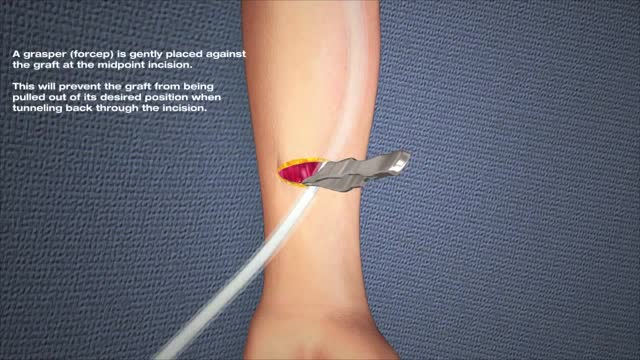
Under local anaesthetic, the surgeon joins a vein to an artery, usually at the wrist or elbow. You may feel a new buzzing sensation — the 'thrill' — over the vein straight away: that vibration is blood rushing through the new join, and it is the sign the fistula is working. A nurse shows you how to feel for it before you leave.
In hospital
Recovery timeline
Every recovery is individual, but most follow this general arc:
Warning signs: when to get help
- The thrill (buzz) disappearing — contact the renal team the same day; a clotted fistula can sometimes be rescued if treated quickly
- The hand becoming cold, pale, painful or numb (steal syndrome — the fistula diverting too much blood)
- Bleeding from the wound or fistula that does not stop with pressure
- Redness, swelling or pain along the vein (possible infection or inflammation)
- Rapid arm swelling
Related topics
Watch: real operation videos
From the MedicalVideos library. Some surgical videos are graphic and intended for education.
Frequently asked questions
What is the 'thrill' and why do I check it twice a day?
The thrill is the buzzing vibration you feel over the fistula where fast arterial blood enters the vein. Feeling it confirms blood is flowing. If it disappears, the fistula may have clotted — and quick action the same day gives the best chance of saving it, so the twice-daily check (EKHUFT advice) really matters.
Why can't I have blood taken from the fistula arm?
Needles, cuffs and tight sleeves can damage or compress the vein your dialysis depends on. The fistula arm is reserved for dialysis only — wear the alert wristband if given one, and remind every clinician, every time.
Medically reviewed by Dr. Mohamed Ibrahim, Assistant Professor of Medicine, Transplant Nephrology, University of Maryland School of Medicine. Last reviewed: 12 November 2026.
← More Heart & Vascular Surgery · All surgery recovery guides