
- Physical Examination
- Surgical Examination
- Ophthalmology
- Clinical Skills
- Orthopedics
- Surgery Videos
- Laparoscopy
- Pediatrics
- Funny Videos
- Cardiothoracic Surgery
- Nursing Videos
- Plastic Surgery
- Otorhinolaryngology
- Histology and Histopathology
- Neurosurgery
- Dermatology
- Pediatric Surgery
- Urology
- Dentistry
- Oncology and Cancers
- Anatomy Videos
- Health and Fitness
- Radiology
- Anaesthesia
- Physical Therapy
- Pharmacology
- Interventional Radiology
- Cardiology
- Endocrinology
- Gynecology
- Emergency Medicine
- Psychiatry and Psychology
- Childbirth Videos
- General Medical Videos
- Nephrology
- Physiology
- Diet and Food Health
- Diabetes Mellitus
- Neurology
- Women Health
- Osteoporosis
- Gastroenterology
- Pulmonology
- Hematology
- Rheumatology
- Toxicology
- Nuclear Medicine
- Infectious Diseases
- Vascular Disease
- Reproductive Health
- Burns and Wound Healing
- Kidney Zone Podcast
- Other
Eyelid surgery (blepharoplasty / ptosis repair): What to Expect & Recovery
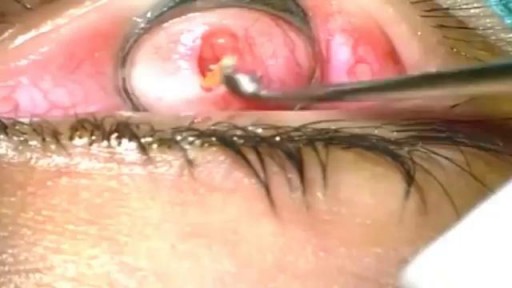
Eyelid surgery covers blepharoplasty (removing excess skin and fat that hoods the upper lids or bags the lower) and ptosis repair (lifting a drooping lid). Both are day-case procedures, usually under local anaesthetic, with bruising settling over 2 to 3 weeks.
Before surgery: how to prepare
- Tell the surgeon about blood thinners, dry eye, thyroid eye disease, glaucoma and previous eye surgery — all influence planning. Photographs and visual field tests (for functional upper lid surgery) are usually taken.
- Arrange a lift home (eyes may be padded or vision blurred by ointment) and a couple of quiet days with cold compresses ready.
- Smoking impairs skin healing — stopping beforehand genuinely improves results.
- Set expectations: the aim for ptosis is a lid at the right height with a natural contour; for blepharoplasty, a refreshed look, not a different face. Final results take months, not days.
The day of surgery
Under local anaesthetic, upper blepharoplasty removes a measured crescent of skin (and fat if needed) along the natural crease; lower lid surgery works through the skin or the inner surface. Ptosis repair shortens or reattaches the lifting muscle (levator) — you may be asked to open and close your eyes during surgery so the height can be set precisely. Fine stitches close the incisions.
In hospital
Recovery timeline
Every recovery is individual, but most follow this general arc:
Warning signs: when to get help
- Sudden severe eye pain with a tense, bulging eye or vision change in the first 24-48 hours — emergency (bleeding behind the eye is rare but sight-threatening)
- Increasing redness, pain or discharge after the first days (infection)
- Inability to close the eye fully that is worsening, with a drying, painful eye surface
- Bleeding soaking the dressing
- Vision deteriorating rather than gradually clearing
Related topics
Watch: real operation videos
From the MedicalVideos library. Some surgical videos are graphic and intended for education.
Frequently asked questions
What is the difference between blepharoplasty and ptosis repair?
Blepharoplasty removes excess skin and fat — the lid itself opens normally, but tissue hoods over it. Ptosis is a weak lifting muscle: the lid edge itself sits too low and covers the pupil. They often coexist in older eyes and can be corrected in the same operation.
Will my eyes be dry afterwards?
Temporary dryness and grittiness are common while swelling alters blink and tear spread; lubricants manage it. If you had dry eye before surgery, tell your surgeon — the plan (how much skin is removed, ointment regime) is adjusted to protect the eye surface.
Medically reviewed by Dr. Mohamed Ibrahim, Assistant Professor of Medicine, Transplant Nephrology, University of Maryland School of Medicine. Last reviewed: 12 November 2026.