
- Physical Examination
- Surgical Examination
- Ophthalmology
- Clinical Skills
- Orthopedics
- Surgery Videos
- Laparoscopy
- Pediatrics
- Funny Videos
- Cardiothoracic Surgery
- Nursing Videos
- Plastic Surgery
- Otorhinolaryngology
- Histology and Histopathology
- Neurosurgery
- Dermatology
- Pediatric Surgery
- Urology
- Dentistry
- Oncology and Cancers
- Anatomy Videos
- Health and Fitness
- Radiology
- Anaesthesia
- Physical Therapy
- Pharmacology
- Interventional Radiology
- Cardiology
- Endocrinology
- Gynecology
- Emergency Medicine
- Psychiatry and Psychology
- Childbirth Videos
- General Medical Videos
- Nephrology
- Physiology
- Diet and Food Health
- Diabetes Mellitus
- Neurology
- Women Health
- Osteoporosis
- Gastroenterology
- Pulmonology
- Hematology
- Rheumatology
- Toxicology
- Nuclear Medicine
- Infectious Diseases
- Vascular Disease
- Reproductive Health
- Burns and Wound Healing
- Kidney Zone Podcast
- Other
Strabismus (squint) surgery: What to Expect & Recovery
Squint surgery repositions the muscles that move the eye to straighten its alignment — in children and adults. It is day-case surgery under general anaesthetic, with a red, gritty eye for a couple of weeks and alignment judged over the following 6 to 8 weeks.
Before surgery: how to prepare
- Orthoptic measurements at pre-assessment map the squint in all gaze positions — the surgical dose is calculated from them, so attend with glasses worn as usual.
- Ask which muscles will be operated and whether adjustable stitches are planned (common in adults: the position can be fine-tuned awake after surgery).
- For children: plan a quiet day or two afterwards and time off school for a few days; swimming waits until the eye has healed.
- Expectations first: surgery aligns the eyes; it does not by itself restore 3D vision in a long-standing childhood squint, though alignment, appearance and — in adults — double vision often improve substantially (procedures dataset).
The day of surgery
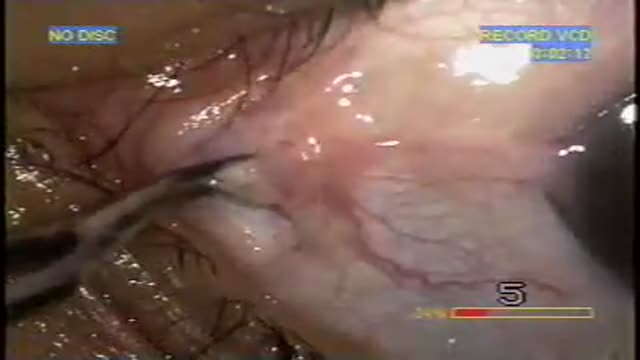
Under a general anaesthetic, the surgeon reaches the eye muscles through small openings in the conjunctiva (no skin incision) and weakens a muscle by moving its attachment back, or strengthens it by shortening it — on one or both eyes as planned. Dissolving stitches close the surface. You or your child wakes with a red eye, sometimes a pad, and goes home the same day.
In hospital
Recovery timeline
Every recovery is individual, but most follow this general arc:
Warning signs: when to get help
- Increasing pain, swelling or discharge after the first days (infection — rare but serious inside the eye)
- Vision worsening in the operated eye
- Double vision that is worsening or persistent beyond a few weeks
- The eye becoming very red with the white part bulging significantly
- Fever in a child in the first days
Related topics
Watch: real operation videos
From the MedicalVideos library. Some surgical videos are graphic and intended for education.
Frequently asked questions
Will the eye be perfectly straight?
The aim is alignment within a small range the brain can fuse — functionally straight. Perfect zero deviation is not always achievable or even ideal; small residual angles are common and often unnoticeable, while larger ones can be addressed with further surgery, prisms or exercises depending on type.
Is squint surgery just cosmetic in adults?
No — although appearance matters legitimately, adult squint surgery also treats double vision, abnormal head posture and the loss of the visual field on the squinting side. It is classified as reconstructive, not cosmetic, surgery.
Medically reviewed by Dr. Mohamed Ibrahim, Assistant Professor of Medicine, Transplant Nephrology, University of Maryland School of Medicine. Last reviewed: 12 November 2026.