
- Physical Examination
- Surgical Examination
- Ophthalmology
- Clinical Skills
- Orthopedics
- Surgery Videos
- Laparoscopy
- Pediatrics
- Funny Videos
- Cardiothoracic Surgery
- Nursing Videos
- Plastic Surgery
- Otorhinolaryngology
- Histology and Histopathology
- Neurosurgery
- Dermatology
- Pediatric Surgery
- Urology
- Dentistry
- Oncology and Cancers
- Anatomy Videos
- Health and Fitness
- Radiology
- Anaesthesia
- Physical Therapy
- Pharmacology
- Interventional Radiology
- Cardiology
- Endocrinology
- Gynecology
- Emergency Medicine
- Psychiatry and Psychology
- Childbirth Videos
- General Medical Videos
- Nephrology
- Physiology
- Diet and Food Health
- Diabetes Mellitus
- Neurology
- Women Health
- Osteoporosis
- Gastroenterology
- Pulmonology
- Hematology
- Rheumatology
- Toxicology
- Nuclear Medicine
- Infectious Diseases
- Vascular Disease
- Reproductive Health
- Burns and Wound Healing
- Kidney Zone Podcast
- Other
Vitrectomy: What to Expect & Recovery
Vitrectomy removes the gel inside the eye to repair retinal detachment, clear bleeding or treat macular problems — often with a gas bubble left inside that holds the retina while it heals. It is day-case microsurgery, but recovery is the most demanding of eye operations: strict head positioning if gas is used, and absolutely no flying while the bubble lasts.
Before surgery: how to prepare
- The critical question at planning: will gas (or oil) be used, and what posture will you need? Arrange your life around the answer — positioning aids (face-down supports can be hired), help at home, and time off work.
- NEVER fly while a gas bubble is in the eye — gas expands at altitude and can destroy vision. This also covers mountain passes and nitrous oxide anaesthesia; tell every clinician until the bubble is confirmed gone (Moorfields).
- Arrange a lift home and someone with you the first night, especially if positioning starts immediately.
- If only one eye sees well, plan extra support: depth perception and reading are hard while positioning and while the bubble blurs vision.
The day of surgery
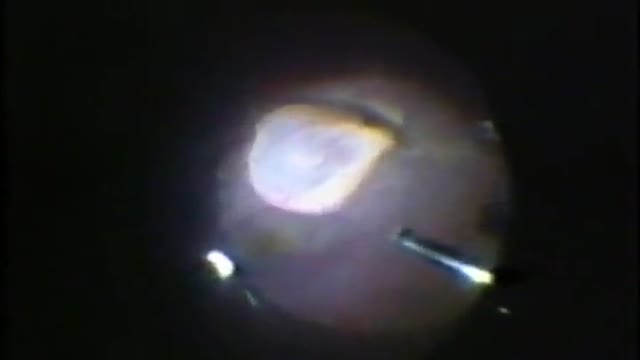
Under local or general anaesthetic, three micro-incisions (ports) are made in the white of the eye. The vitreous gel is removed, the retina is repaired — laser or freezing seals tears, membranes are peeled, bleeding cleared — and the eye is refilled with fluid, gas or silicone oil as the repair requires. Surgery takes 1 to 2 hours typically. You go home with drops, positioning instructions and a review the next day.
In hospital
Recovery timeline
Every recovery is individual, but most follow this general arc:
Warning signs: when to get help
- Sudden increase in floaters, flashes, or a shadow spreading across vision (possible new tear or re-detachment — same-day emergency review)
- Severe eye pain, especially with headache or nausea (raised pressure)
- Vision suddenly worsening after improving
- Increasing redness or discharge (infection)
- Any need for surgery or a flight while gas remains — tell the treating team about the bubble first
Related topics
Watch: real operation videos
From the MedicalVideos library. Some surgical videos are graphic and intended for education.
Frequently asked questions
Why must I posture face-down?
The gas bubble floats upward and presses the retina against the wall of the eye where the tear is, sealing it while laser or freezing scars it permanently. Positioning puts the bubble against the right spot — for most tears, that means face-down. Skipping posturing reduces the chance the retina stays attached.
When can I fly after vitrectomy?
Not while any gas remains — cabin pressure changes expand the bubble and can cause a catastrophic pressure rise. Your surgeon confirms at review when the bubble has fully absorbed (and flying is then safe). If silicone oil was used instead of gas, flying is less restricted — but confirm with your own surgeon, not general advice.
Medically reviewed by Dr. Mohamed Ibrahim, Assistant Professor of Medicine, Transplant Nephrology, University of Maryland School of Medicine. Last reviewed: 12 November 2026.