
- Physical Examination
- Surgical Examination
- Ophthalmology
- Clinical Skills
- Orthopedics
- Surgery Videos
- Laparoscopy
- Pediatrics
- Funny Videos
- Cardiothoracic Surgery
- Nursing Videos
- Plastic Surgery
- Otorhinolaryngology
- Histology and Histopathology
- Neurosurgery
- Dermatology
- Pediatric Surgery
- Urology
- Dentistry
- Oncology and Cancers
- Anatomy Videos
- Health and Fitness
- Radiology
- Anaesthesia
- Physical Therapy
- Pharmacology
- Interventional Radiology
- Cardiology
- Endocrinology
- Gynecology
- Emergency Medicine
- Psychiatry and Psychology
- Childbirth Videos
- General Medical Videos
- Nephrology
- Physiology
- Diet and Food Health
- Diabetes Mellitus
- Neurology
- Women Health
- Osteoporosis
- Gastroenterology
- Pulmonology
- Hematology
- Rheumatology
- Toxicology
- Nuclear Medicine
- Infectious Diseases
- Vascular Disease
- Reproductive Health
- Burns and Wound Healing
- Other
Cardiology
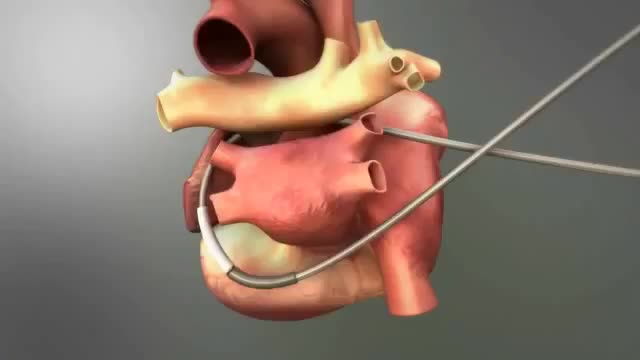

The Estech COBRA Fusion™ 150 Surgical Ablation System combines intuitive, real-time TCRF (Temperature Controlled Radiofrequency) energy control with proprietary Versapolar technology. Versapolar™ energy delivery is the first of its kind—an adaptable and effective platform that can deliver both bipolar and monopolar energy so that surgeons can easily and efficiently create reproducible transmural lesions with more flexibility, confidence and control.

TransMedics’ proprietary Organ Care System (OCS) is the first commercial and portable warm blood perfusion organ transport system. With the OCS, doctors are able to perform “living organ transplants,” where organs are kept warm and functioning in a controlled environment from the time they are recovered to the moment they are placed in the recipient’s body.
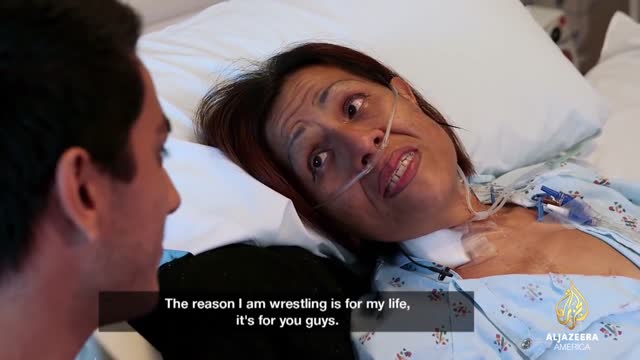
TransMedics’ proprietary Organ Care System (OCS) is the first commercial and portable warm blood perfusion organ transport system. With the OCS, doctors are able to perform “living organ transplants,” where organs are kept warm and functioning in a controlled environment from the time they are recovered to the moment they are placed in the recipient’s body.
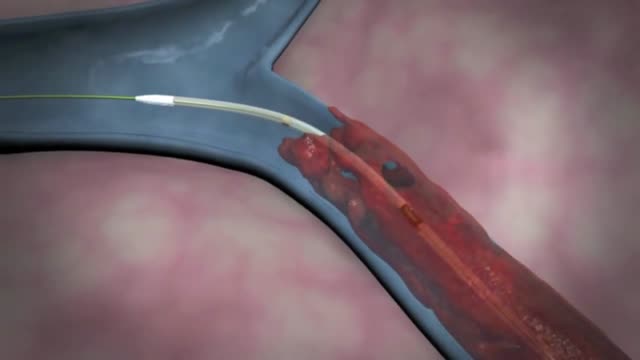
Deep Vein Thrombosis Treatment With Trellis Procedure
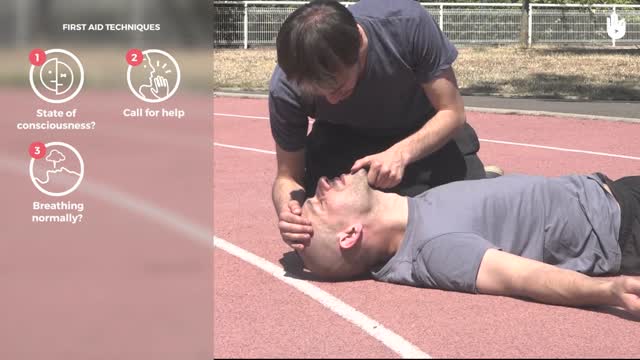
Defibrillation is a treatment for life-threatening cardiac dysrhythmias, specifically ventricular fibrillation (VF) and non-perfusing ventricular tachycardia (VT). A defibrillator delivers a dose of electric current (often called a countershock) to the heart.
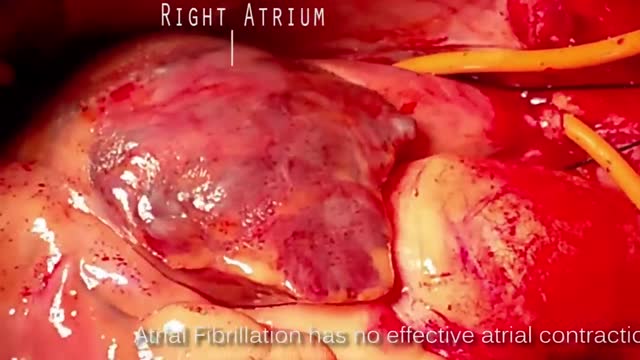
Atrial fibrillation vs Atrial Flutter
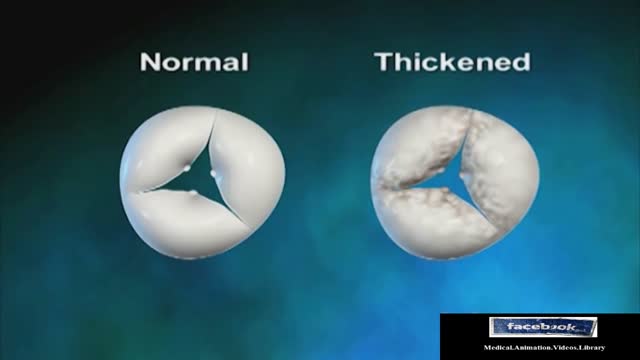
Bioprosthetic valves used in heart valve replacement generally offer functional properties that are more similar to those of native valves.
Learn about Bicuspid Aortic Valves in this presentation. Bicuspid Aortic Valves are present in about 2% of the population and are the most common congenital disorder. Find out more about a Bicuspid Aortic Valve by visiting the following link:
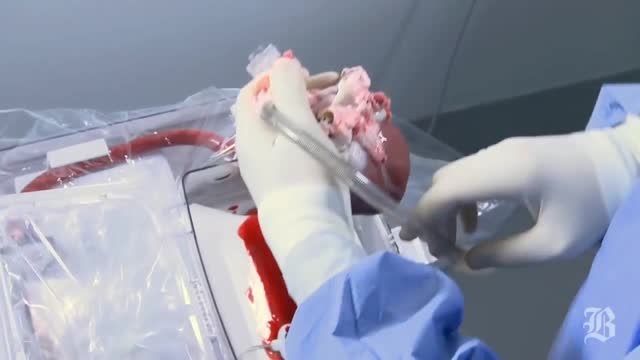
Device that keeps a donor heart beating
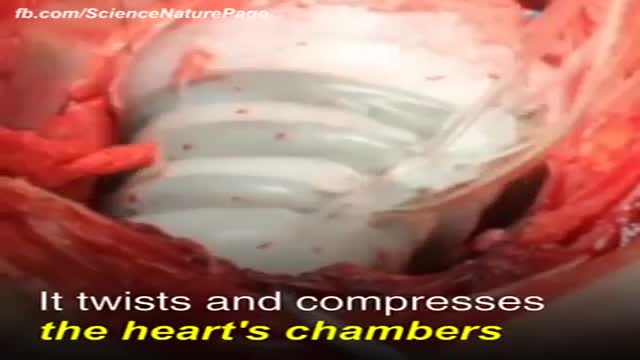
New Device can keep heart beating perfectly forever
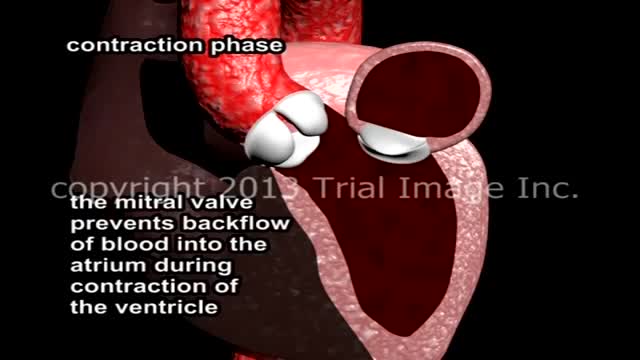
Mitral Valve Prolapse and Mitral Regurgitation. Review of mitral valve anatomy and function, including papillary muscle structure and function, with severe mitral valve prolapse and mitral regurgitation due to a flail segment caused by ruptured papillary muscle and chorda tendinae attachment.
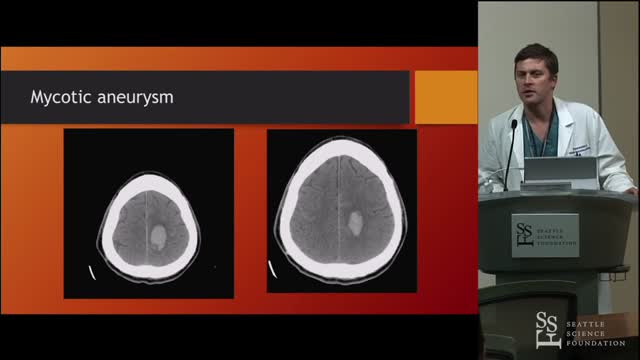
The headache, lethargy, and neck stiffness suggest subarachnoid hemorrhage secondary to rupture of a mycotic aneurysm. Mycotic or infected arterial aneurysms can develop due to metastatic infection from IE, with septic embolization and localized vessel wall destruction in the cerebral (or systemic) circulation. Intracerebral mycotic aneurysms can present as an expanding mass with focal neurologic findings or may not be apparent until aneurysm rupture with stroke or subarachnoid hemorrhage. The diagnosis of mycotic cerebral aneurysm can usually be confirmed with computed tomography angiography. Management includes broad-spectrum antibiotics (tailored to blood culture results) and surgical intervention (open or endovascular).
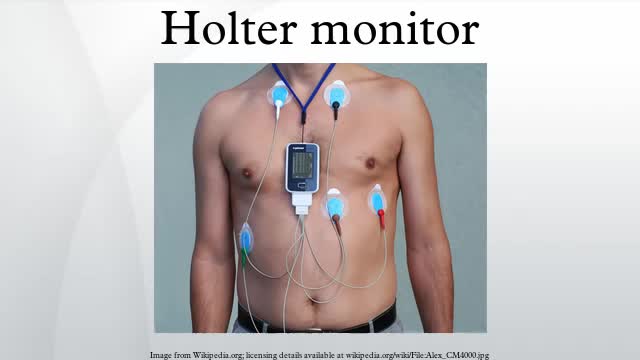
Holter monitoring, electrocardiogram or echocardiogram are only recommended if a cardiac cause (e.g., arrhythmias, possible cardiac syncope, myocardial ischemia) is suspected.
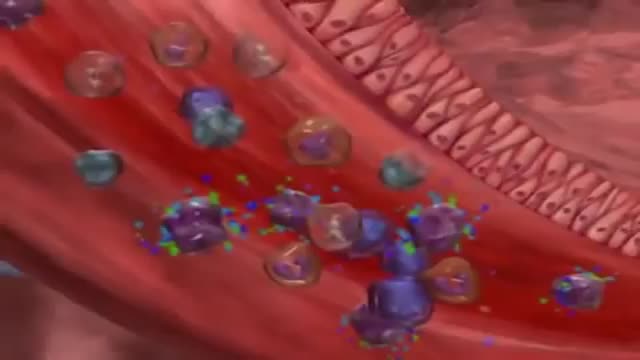
Asthma and COPD
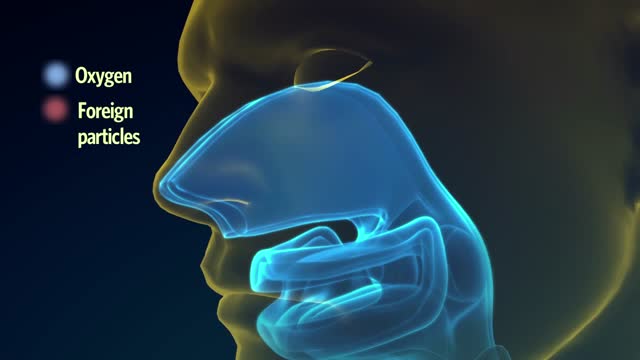
The lungs and respiratory system allow oxygen in the air to be taken into the body, while also enabling the body to get rid of carbon dioxide in the air breathed out. Respiration is the term for the exchange of oxygen from the environment for carbon dioxide from the body's cells.
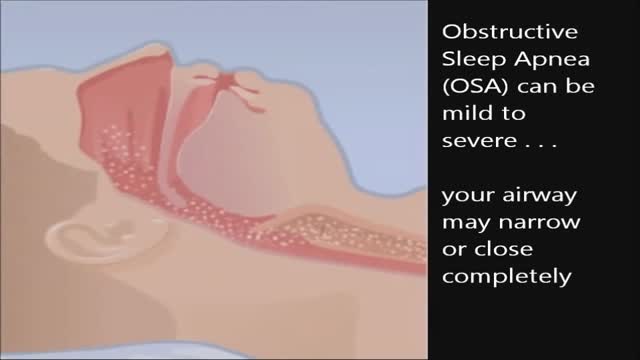
CPAP, or continuous positive airway pressure, is a treatment that uses mild air pressure to keep the airways open. CPAP typically is used by people who have breathing problems, such as sleep apnea. CPAP also may be used to treat preterm infants whose lungs have not fully developed.
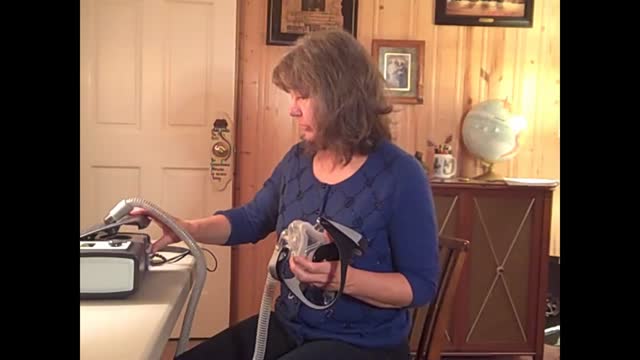
CPAP is a treatment that uses mild air pressure to keep your breathing airways open. It involves using a CPAP machine that includes a mask or other device that fits over your nose or your nose and mouth, straps to position the mask, a tube that connects the mask to the machine’s motor, and a motor that blows air into the tube. CPAP is used to treat sleep-related breathing disorders including sleep apnea. It also may be used to treat preterm infants who have underdeveloped lungs.

Cardiovascular disease (CVD) is a general term that describes a disease of the heart or blood vessels. Blood flow to the heart, brain or body can be reduced as the result of a blood clot (thrombosis), or by a build-up of fatty deposits inside an artery that cause the artery to harden and narrow (atherosclerosis).
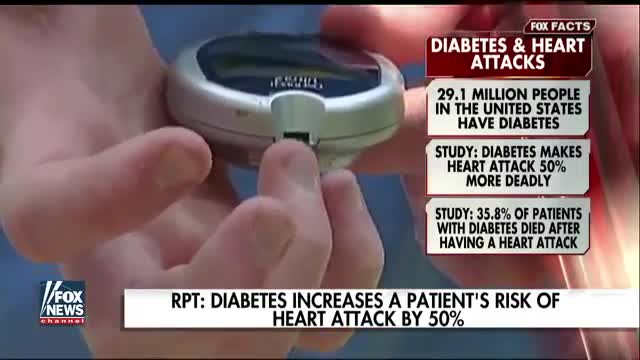
A silent heart attack is a heart attack that has few, if any, symptoms. You may have never had any symptoms to warn you that you've developed a heart problem, such as chest pain or shortness of breath. Having diabetes or prediabetes puts you at increased risk for heart disease and stroke. You can lower your risk by keeping your blood glucose (also called blood sugar), blood pressure, and blood cholesterol close to the recommended target numbersthe levels suggested by diabetes experts for good health. (
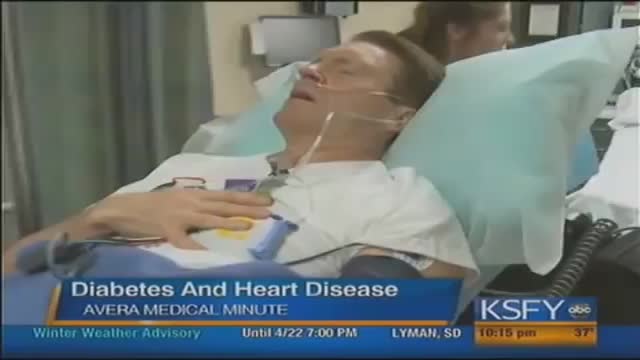
As a result, the amount of glucose in the blood increases while the cells are starved of energy. Over time, high blood glucose levels damage nerves and blood vessels, leading to complications such as heart disease and stroke, the leading causes of death among people with diabetes.
