
- Physical Examination
- Surgical Examination
- Ophthalmology
- Clinical Skills
- Orthopedics
- Surgery Videos
- Laparoscopy
- Pediatrics
- Funny Videos
- Cardiothoracic Surgery
- Nursing Videos
- Plastic Surgery
- Otorhinolaryngology
- Histology and Histopathology
- Neurosurgery
- Dermatology
- Pediatric Surgery
- Urology
- Dentistry
- Oncology and Cancers
- Anatomy Videos
- Health and Fitness
- Radiology
- Anaesthesia
- Physical Therapy
- Pharmacology
- Interventional Radiology
- Cardiology
- Endocrinology
- Gynecology
- Emergency Medicine
- Psychiatry and Psychology
- Childbirth Videos
- General Medical Videos
- Nephrology
- Physiology
- Diet and Food Health
- Diabetes Mellitus
- Neurology
- Women Health
- Osteoporosis
- Gastroenterology
- Pulmonology
- Hematology
- Rheumatology
- Toxicology
- Nuclear Medicine
- Infectious Diseases
- Vascular Disease
- Reproductive Health
- Burns and Wound Healing
- Other
Other
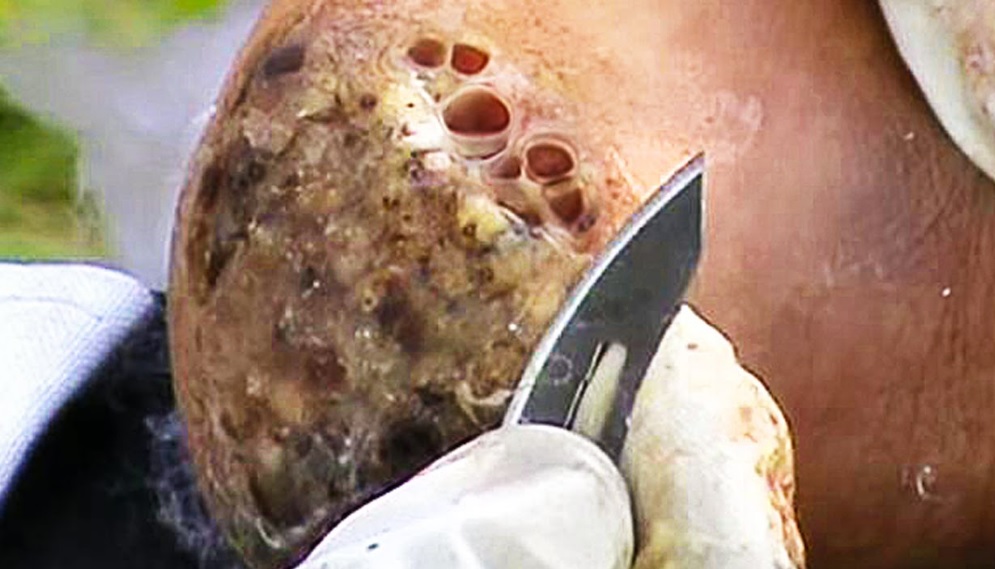

Watch that video of The Worst skin Jiggers Removals
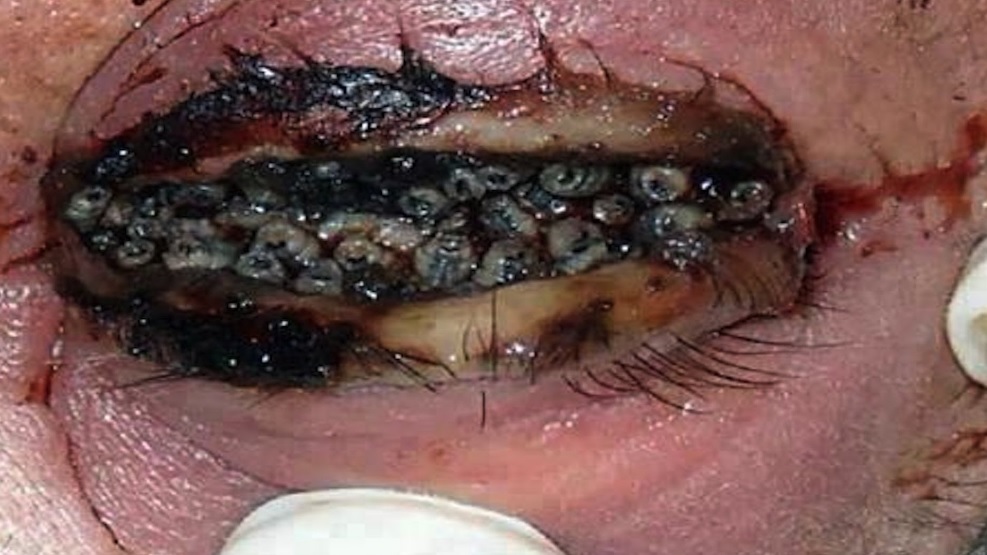
Watch that video of the 10 Most Invasive Parasites in the World
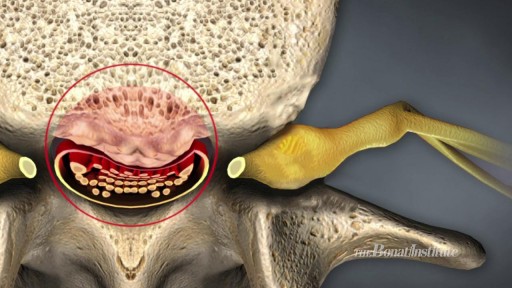
Watch Spinal Stenosis Videos Spinal stenosis occurs when the spinal cord in the neck (cervical spine) or the spinal nerve roots in the lower back (lumbar spine) are compressed. Symptoms of lumbar stenosis often include leg pain (sciatica) and leg tingling, weakness, or numbness. Arm pain is a typical symptom of cervical spinal stenosis. For cervical spinal stenosis with myelopathy, difficulty with coordination often occurs. Stenosis treatment may include non-surgical options (exercise, anti-inflammatory medication, epidural injections, and activity modification) or back surgery.
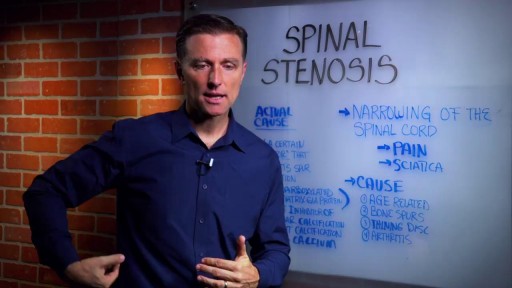
Spinal stenosis can put pressure on the spinal cord and the nerves within the spine. It commonly occurs in the neck and lower back. The condition is often caused by age-related wear and tear. Symptoms, if they occur, include pain, numbness, muscle weakness, and impaired bladder or bowel control. Treatment includes medication, physical therapy, and possibly surgery
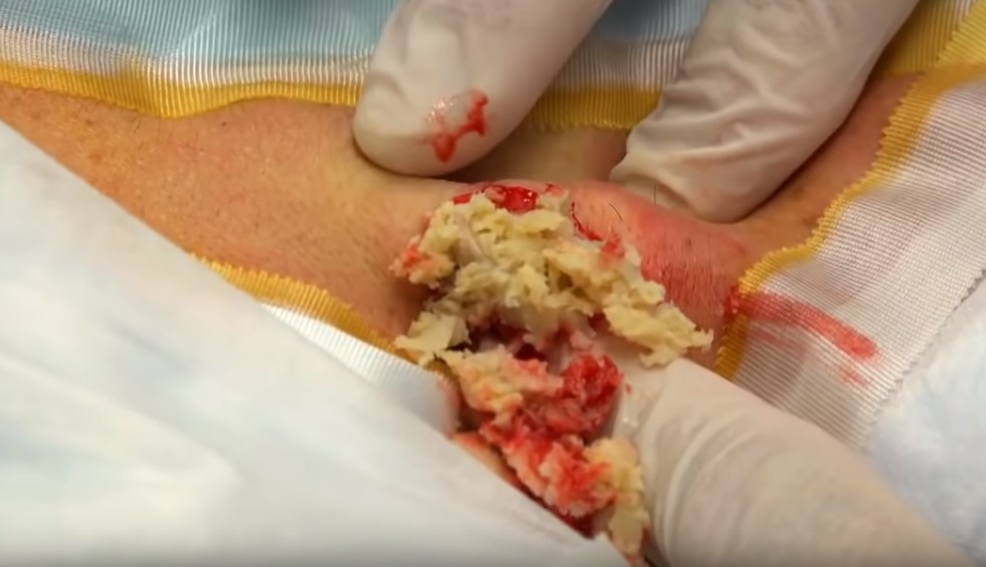
Watch that video of Popping Huge Epidermoid Cyst
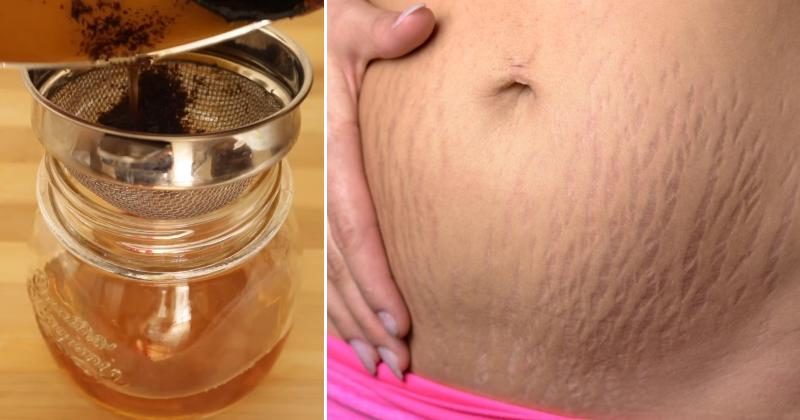
Watch that video to know How to Get Rid of Stretch Marks Fast - Get Rid of Stretch Marks Naturally
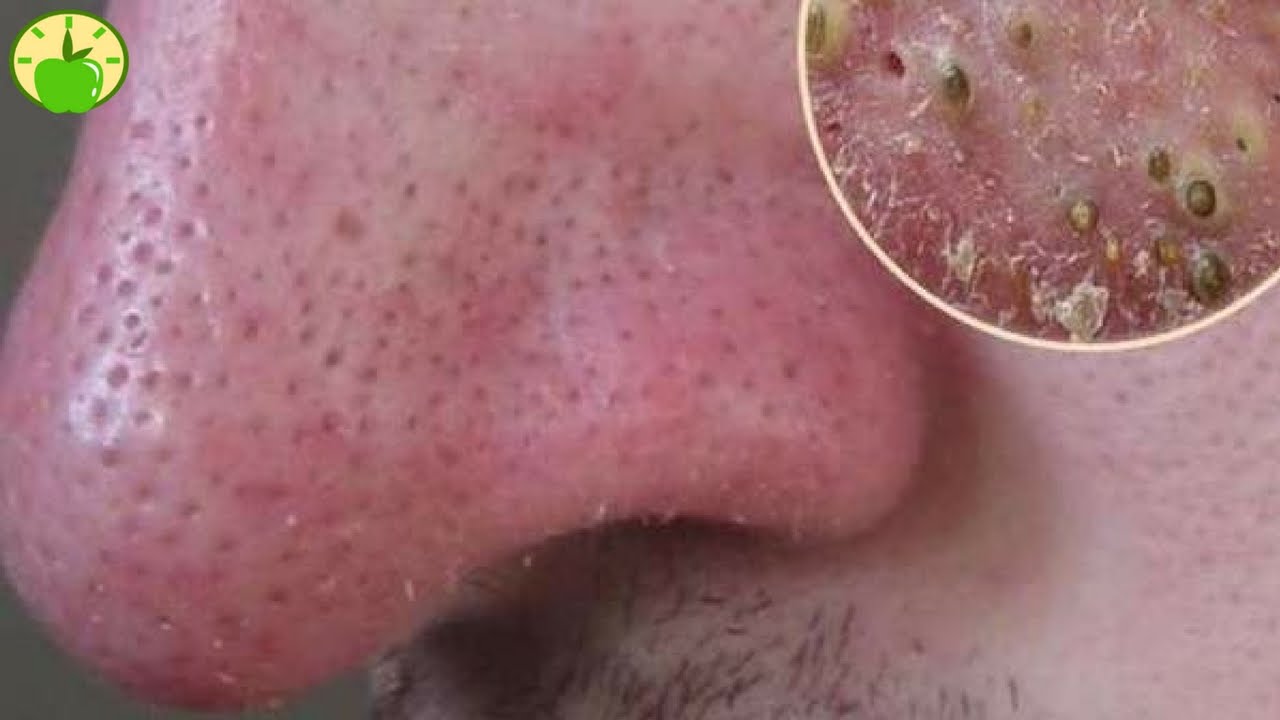
Watch that video to know How to Get Rid of Blackheads on Your Nose Naturally
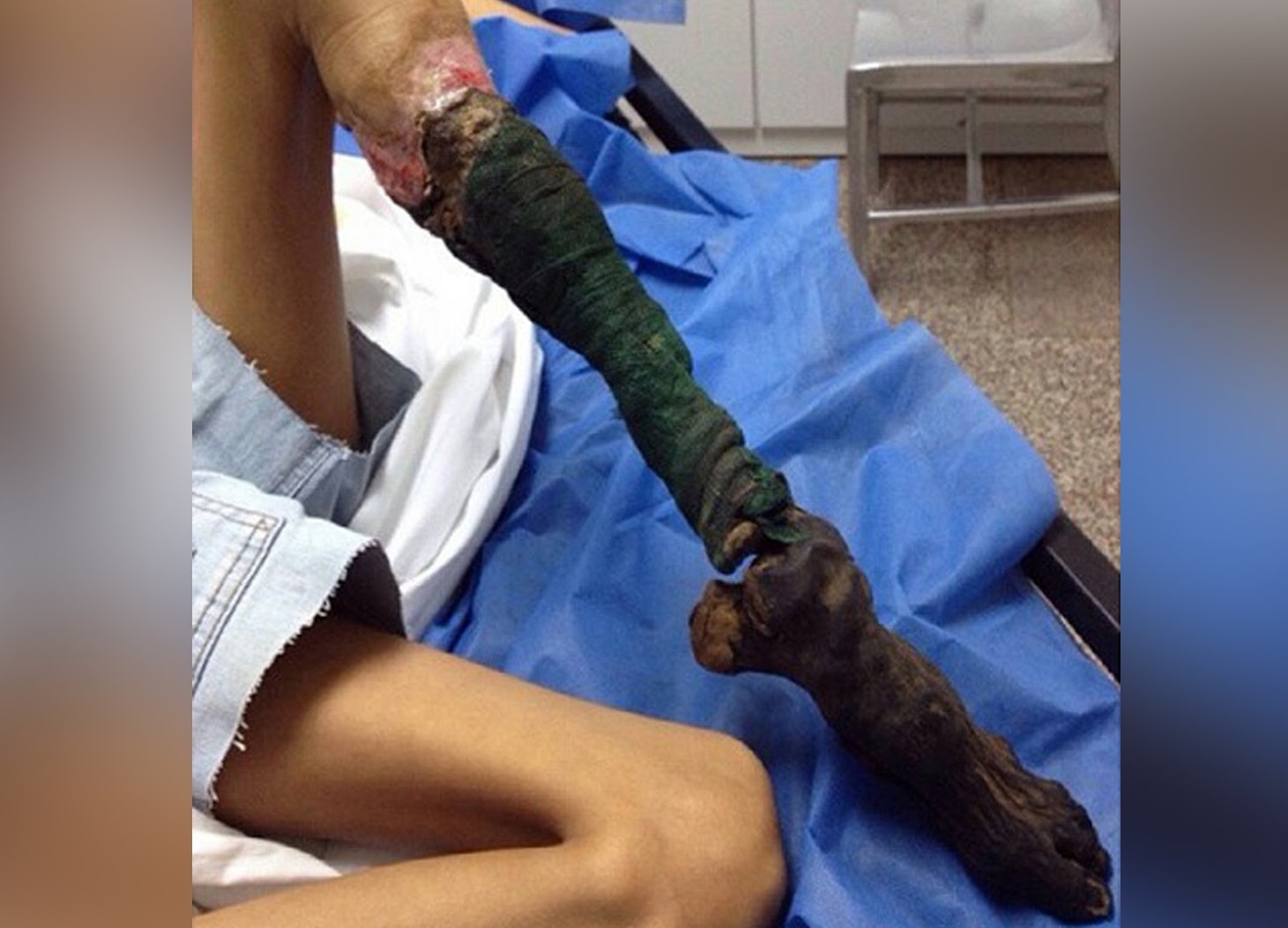
Watch that video of a Snake bite caused girl’s leg to rot away
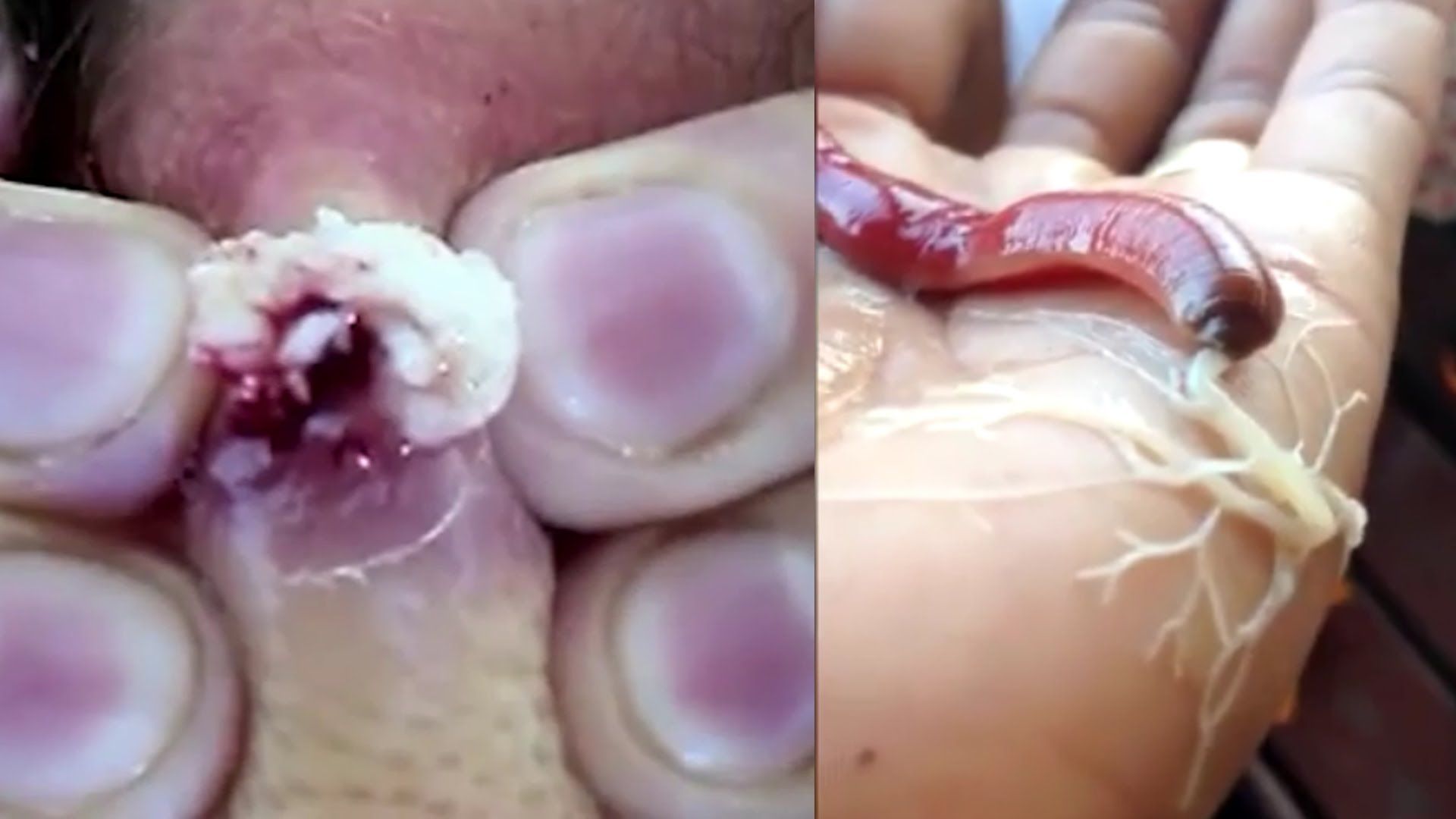
Watch that video to know about The Most Disgusting Parasites That Can Infect The Human Body

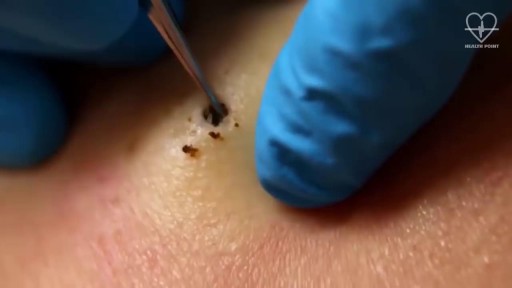
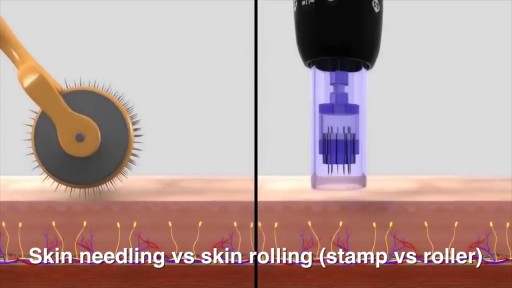
The first step is to see if you have pigmentation issues -not really classed as acne scars, but this is controversial, or if you have contour changes. The best thing to do is to examine under tangential or angled lighting, as this will reveal all. Once this is done, scars can be subtyped and mapped, with high resolution photos. The second aspect, which is equally as important is to examine scars upon animanation, namely when you speak, smile and move your face. This will give me an idea of the amount of tethering and anchored acne scars. Time and time again I get request for ‘what is the treatment’ with static photos, an impossible task to answer correctly. Acne scar assessment has to be done live- with the patient in front of you, and lighting from all angles. Photos do not map scars as well a real time examination under magnification and lighting.
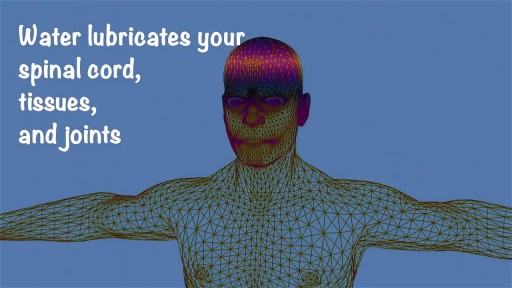
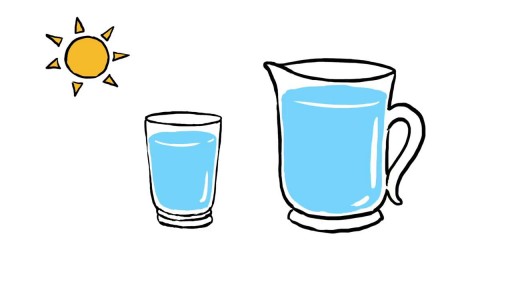
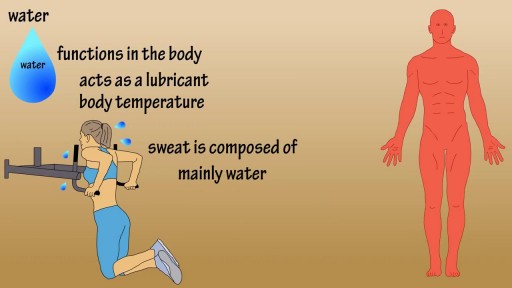
Water is an essential nutrient for the body, as the body loses water through perspiration, breathing, bowel movements, and in urine. Water must be consumed regularly to maintain a sufficient level. Water has many vital functions in the body, including… Serving as a lubricant. Water is a main component of saliva, which helps moisten food making it easier to swallow. Water also helps lubricate joints, reducing friction and inflammation. Water is important in body temperature regulation. When body heat rises, such as during strenuous activities, the body starts to sweat to cool itself. And sweat is made up almost entirely of water.
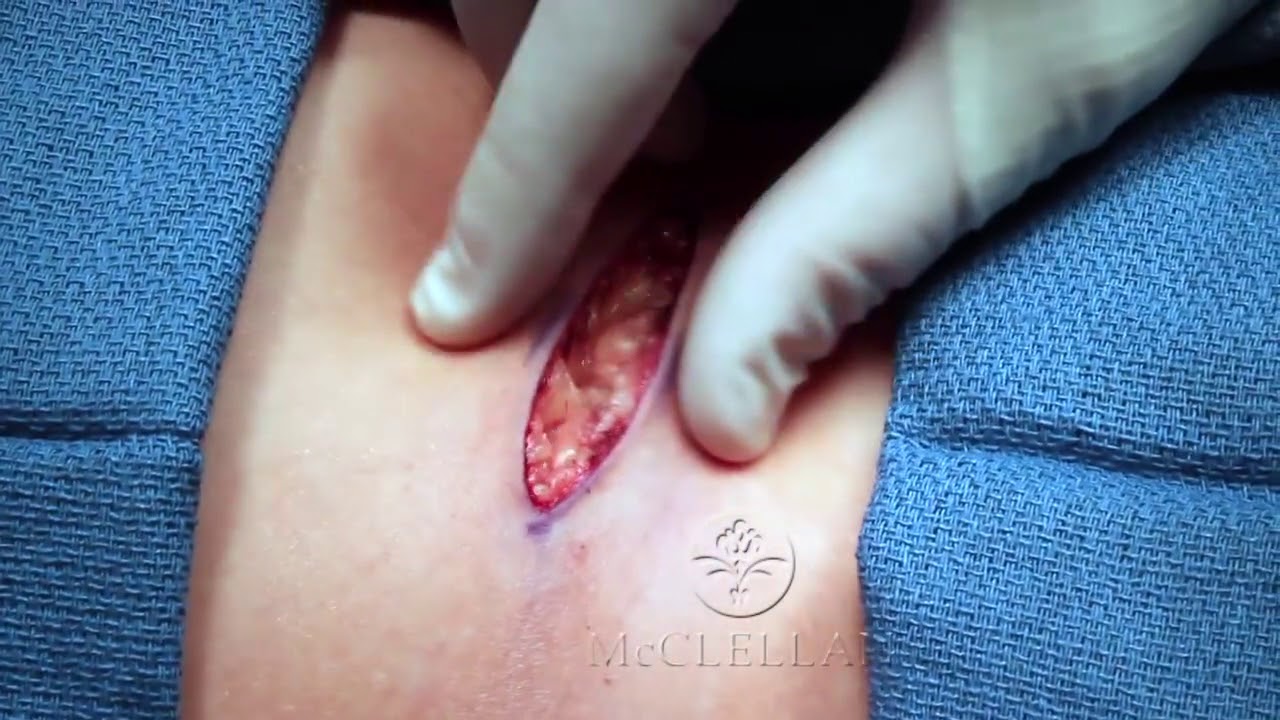
Watch that video to know How to Perform Invisible Skin Sutures Technique
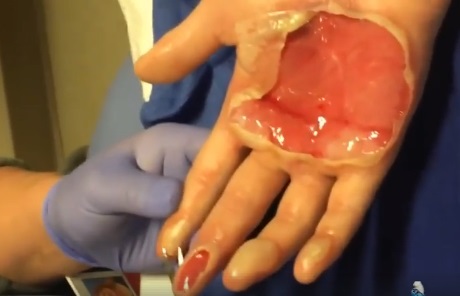
watch that video of Popping a Huge Hand Burn Blister
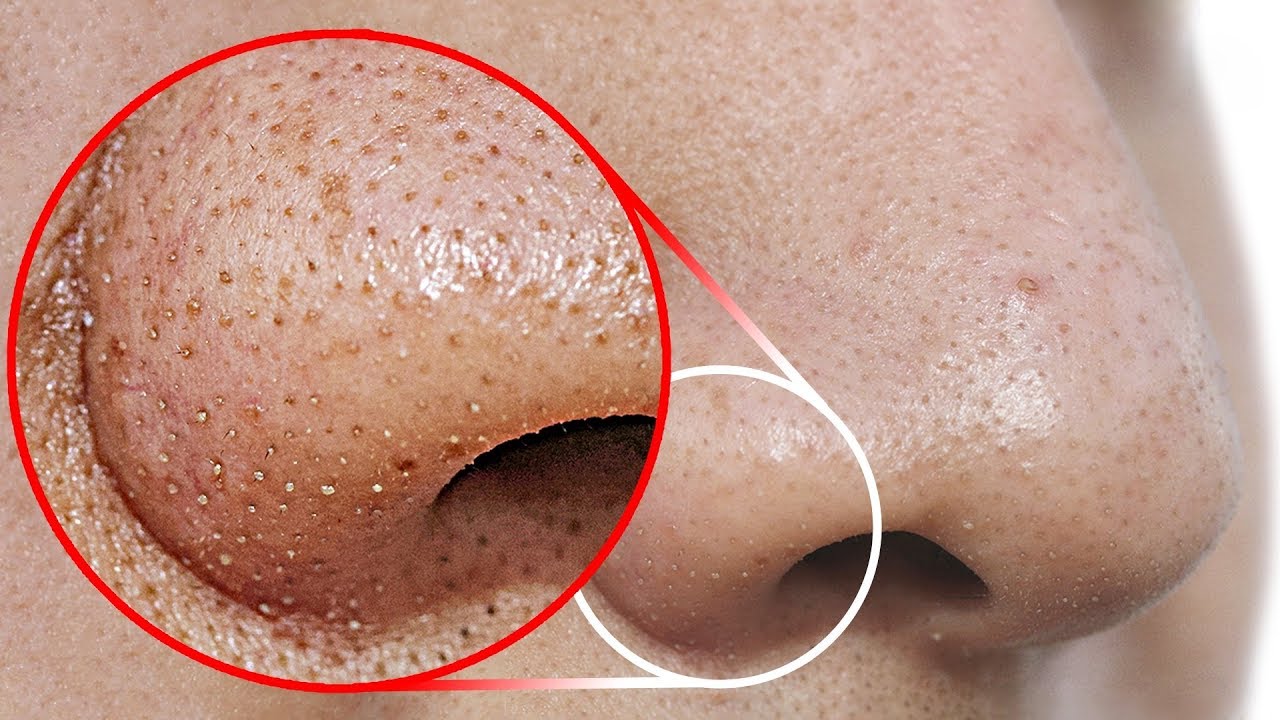
Watch that video to know How to Get Rid of Blackheads From Your Nose
