
- Procedures & Tests
- Symptoms A-Z
- Symptom Checker
- Kidney Diet
- First Aid
- Anatomy Atlas
- Ask MedicalVideos
- Drug Guide
- Lab Values
- Vital Signs
- Muscles A–Z
- Clinical Signs
- Medical Abbreviations
- Medical Terminology
- Physical Examination
- Surgical Examination
- Ophthalmology
- Clinical Skills
- Orthopedics
- Surgery Videos
- Laparoscopy
- Pediatrics
- Funny Videos
- Cardiothoracic Surgery
- Nursing Videos
- Plastic Surgery
- Otorhinolaryngology
- Histology and Histopathology
- Neurosurgery
- Dermatology
- Pediatric Surgery
- Urology
- Dentistry
- Oncology and Cancers
- Anatomy Videos
- Health and Fitness
- Radiology
- Anaesthesia
- Physical Therapy
- Pharmacology
- Interventional Radiology
- Cardiology
- Endocrinology
- Gynecology
- Emergency Medicine
- Psychiatry and Psychology
- Childbirth Videos
- General Medical Videos
- Nephrology
- Physiology
- Diet and Food Health
- Diabetes Mellitus
- Neurology
- Women Health
- Osteoporosis
- Gastroenterology
- Pulmonology
- Hematology
- Rheumatology
- Toxicology
- Nuclear Medicine
- Infectious Diseases
- Vascular Disease
- Reproductive Health
- Burns and Wound Healing
- Kidney Zone Podcast
- Other
Latest videos
The newest additions to the MedicalVideos.com library — freshly curated medical and surgery videos, explainers, and lectures from educators and institutions worldwide.
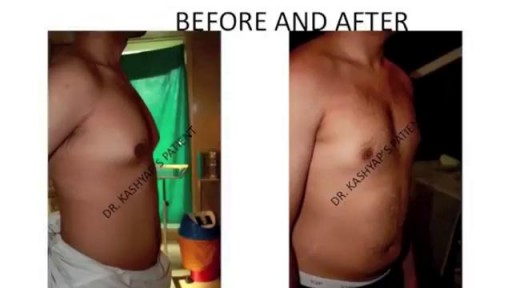

PREPARING FOR GYNECOMASTIA SURGERY - This maybe the first time you are planning to undergo surgery. It's natural to feel little anxious about the whole process. Get more information www.bestbreastsurgeryindia.com | www.themedspa.us/cosmetic-surgery/male-breast-reduction.html

New treatment could wipe out tumors in two hours.
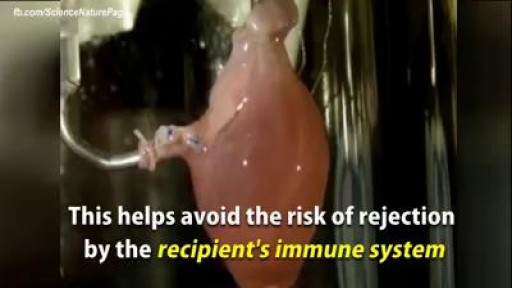
This technique could solve the organ shortage crisis.
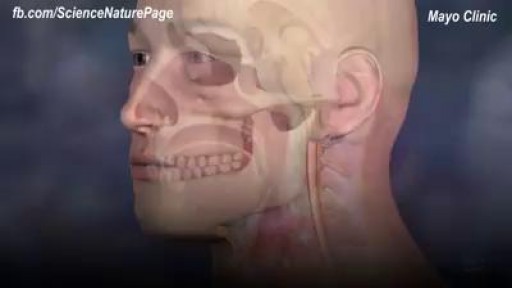
Face transplant allows this man to live a normal life. Hats off to all the surgeons involved!

Prosthetic hand that can feel
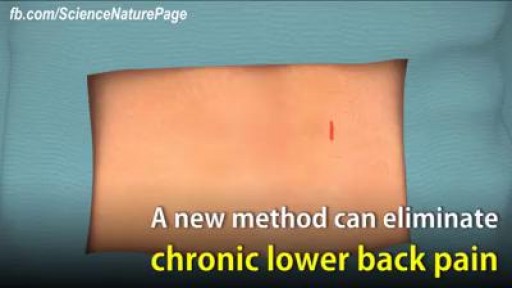
New method can eliminate lower back pain. watch to learn how.
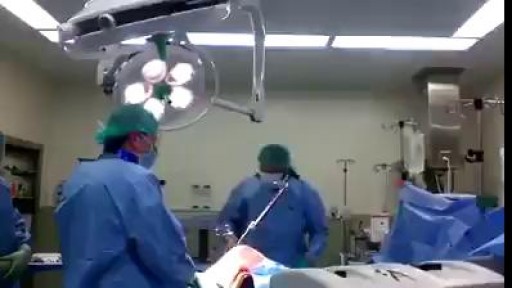
A knee revision, from Pakistan!!

The night before the exam...
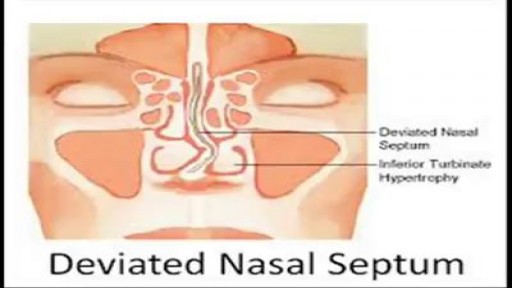
When a deviated septum is severe, it can block one side of your nose and reduce airflow, causing difficulty breathing. The additional exposure of a deviated septum to the drying effect of airflow through the nose may sometimes contribute to crusting or bleeding in certain individuals. Nasal obstruction can occur from a deviated nasal septum, from swelling of the tissues lining the nose, or from both. Treatment of nasal obstruction may include medications to reduce the swelling or nasal dilators that help open the nasal passages. To correct a deviated septum, surgery is necessar

Future Baby
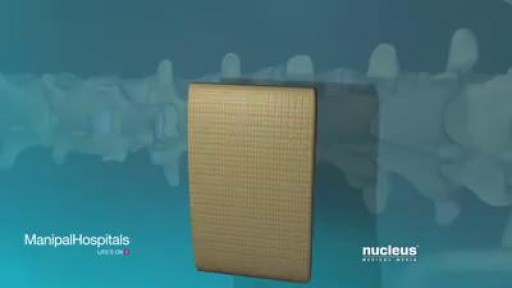
Spinal anesthesia is done in a similar way. But the anesthetic medicine is injected using a much smaller needle, directly into the cerebrospinal fluid that surrounds the spinal cord. The area where the needle will be inserted is first numbed with a local anesthetic. Then the needle is guided into the spinal canal, and the anesthetic is injected. This is usually done without the use of a catheter. Spinal anesthesia numbs the body below and sometimes above the site of the injection. The person may not be able to move his or her legs until the anesthetic wears off.
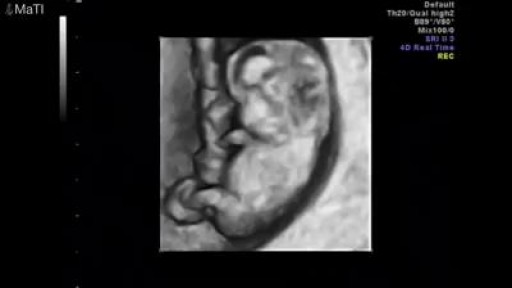
Pregnancy ultrasounds are performed mainly using transabdominal ultrasound. For many women, especially after 8 weeks gestation, sufficient information about the baby may be obtained with transabdominal ultrasound only. However, in the early pregnancy, the developing embryo is very small (at 6 weeks gestation, the baby is only 5-9mm long) and a transvaginal ultrasound may be required to get a better image of the baby. Transvaginal ultrasound is safe and commonly performed during all stages of pregnancy, including the first trimester. It will not harm you or your baby.
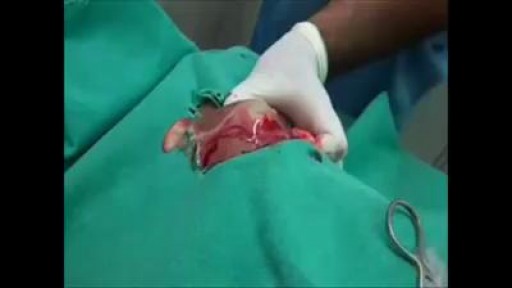
Different types of Abscess- Drainage and Aspiration of Pus.

Only about a third of people with lupus get the tell-tale butterfly-shaped rash on their face. What you should know:
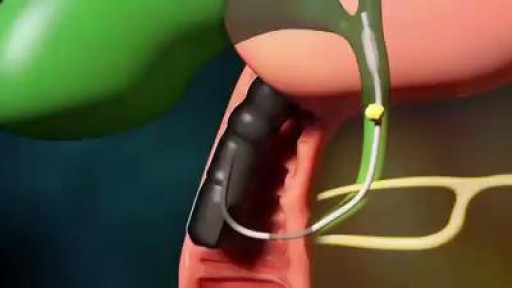
Experience with endoscopic retrograde cholangiopancreatography (ERCP) in children has been limited due to multiple factors, including the relatively low incidence of diseases requiring ERCP in this age group, the impression that the procedure is technically difficult in children, and because the indications and safety of ERCP in children have not been well defined. As a result, patients are generally referred to a tertiary care facility or to adult endoscopists who perform a high volume of procedures.
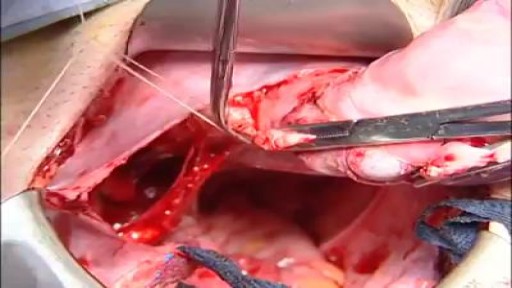
An abdominal hysterectomy is a surgical procedure that removes your uterus through an incision in your lower abdomen. Your uterus — or womb — is where a baby grows if you're pregnant. A partial hysterectomy removes just the uterus, leaving the cervix intact. A total hysterectomy removes the uterus and the cervix. Sometimes a hysterectomy includes removal of one or both ovaries and fallopian tubes, a procedure called a total hysterectomy with salpingo-oophorectomy (sal-ping-go-o-of-uh-REK-tuh-me). A hysterectomy can also be performed through an incision in the vagina (vaginal hysterectomy) or by a laparoscopic or robotic surgical approach — which uses long, thin instruments passed through small abdominal incisions.
A tapeworm is a ribbon-shaped parasite that lives in human or animal intestines. They are uncommon in developed countries. There are a number of different types which all have slightly different life cycles. Tapeworm infection can come from animals such as pigs, sheep, cattle, fish, dogs and cats. Eating undercooked food contaminated with tapeworm cysts and eggs causes the infection. Tapeworm eggs are shed in stools and it is possible for infection to spread from person to person through the oral/anal route.
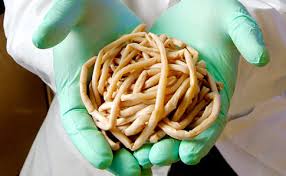
News-style narration accompanies footage of two ascaris worms removed from a liver. The report notes that little is known about the case itself, then summarises how ascaris infection is acquired and how larvae travel through the body before maturing in the intestine. Migration to organs such as the liver is presented as an occasional occurrence.
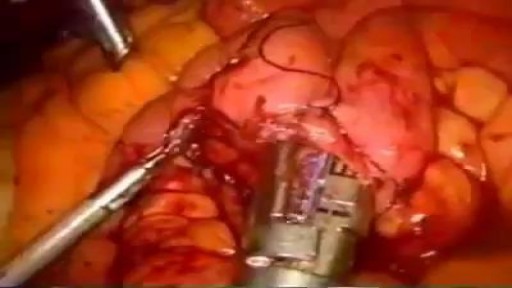
Gunshot Wound to the Abdomen: Laparoscopic Exploration and Repair of Small Bowel Injury.
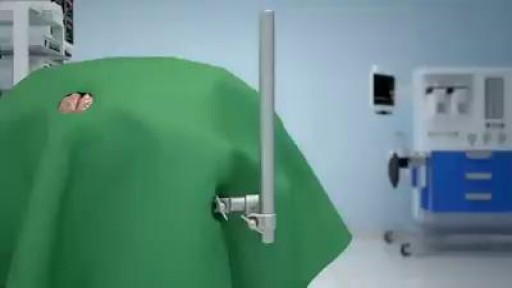
A craniotomy involves making an incision in the scalp and creating a hole known as a bone flap in the skull. The hole and incision are made near the area of the brain being treated. During open brain surgery, your surgeon may opt to: remove tumors. clip off an aneurysm
Medical Videos
Free medical and surgery videos for patients, students and professionals — trusted since 2007.
Founded by Dr. Mohamed Ibrahim, MD, PhD — physician-scientist.
Follow us on Facebook · Instagram