
- Procedures & Tests
- Symptoms A-Z
- Symptom Checker
- Kidney Diet
- First Aid
- Anatomy Atlas
- Ask MedicalVideos
- Drug Guide
- Lab Values
- Vital Signs
- Muscles A–Z
- Clinical Signs
- Medical Abbreviations
- Medical Terminology
- Physical Examination
- Surgical Examination
- Ophthalmology
- Clinical Skills
- Orthopedics
- Surgery Videos
- Laparoscopy
- Pediatrics
- Medical Humor
- Cardiothoracic Surgery
- Nursing Videos
- Plastic Surgery
- Otorhinolaryngology
- Histology and Histopathology
- Neurosurgery
- Dermatology
- Pediatric Surgery
- Urology
- Dentistry
- Oncology and Cancers
- Anatomy Videos
- Health and Fitness
- Radiology
- Anaesthesia
- Physical Therapy
- Pharmacology
- Interventional Radiology
- Cardiology
- Endocrinology
- Gynecology
- Emergency Medicine
- Psychiatry and Psychology
- Childbirth Videos
- General Medical Videos
- Nephrology
- Physiology
- Diet and Food Health
- Diabetes Mellitus
- Neurology
- Women Health
- Osteoporosis
- Gastroenterology
- Pulmonology
- Hematology
- Rheumatology
- Toxicology
- Nuclear Medicine
- Infectious Diseases
- Vascular Disease
- Reproductive Health
- Burns and Wound Healing
- Kidney Zone Podcast
- Other


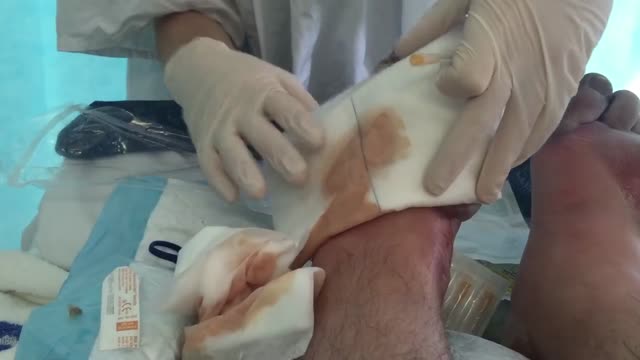
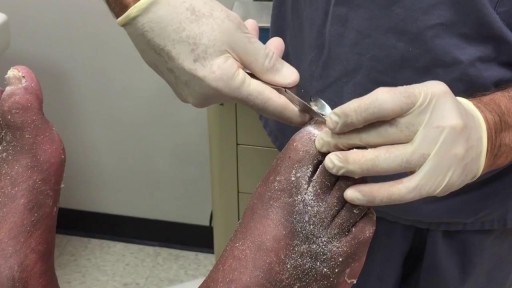
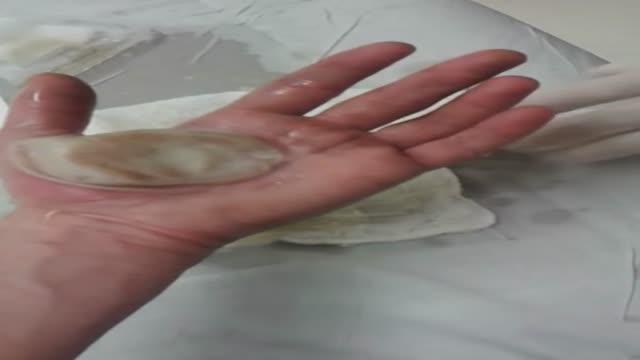


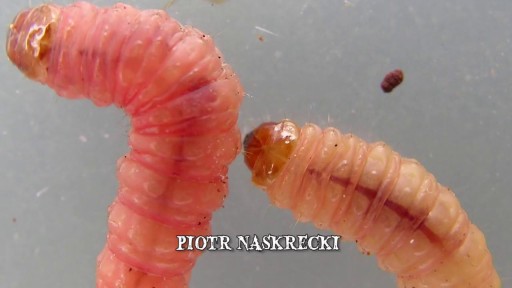








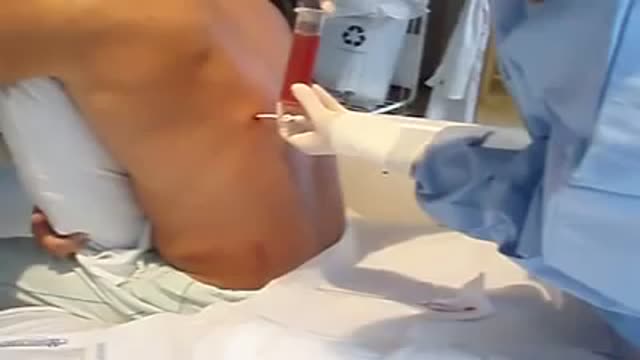





Removing two long ascaris worms from liver.

Educational only: videos on MedicalVideos.com are for general information and are not medical advice. Always consult your own doctor about your health.
News-style narration accompanies footage of two ascaris worms removed from a liver. The report notes that little is known about the case itself, then summarises how ascaris infection is acquired and how larvae travel through the body before maturing in the intestine. Migration to organs such as the liver is presented as an occasional occurrence.
Video Transcript
This news-style voiceover accompanies footage of two ascaris roundworms being removed from a person's liver. It notes that little is known about the person or location, gives the worms' reported lengths, and summarises the ascaris life cycle from swallowed eggs through the lungs and intestine. It explains that worms can occasionally migrate to other organs such as the liver.
Read the full transcript
Graphic video released last year shows two parasitic worms being pulled from a human liver and it's going viral once again. Not much is known about the location or person involved in the video, but the worms were identified as Ascarus, or small intestinal roundworms. The two extracted measure 25 centimeters and 5 millimeters in length. According to the Centers for Disease Control and estimated 807 to 1221 million people in the world are infected by Ascarus worms. Infection occurs when an Ascarus worm egg is consumed. The larva of the worm is released into the intestine, where they often travel through
intestinal walls up to the lungs causing coughing, one of the many symptoms of infection. The larva are once again swallowed and mature when they reach the small intestine a second time. Eggs are released in feces which can then infect other people. The worms can also migrate into other organs as it was in this case where they traveled to the liver.
Transcript auto-generated from the video’s audio for accessibility and study. Educational content only — not medical advice.
Related reading
Save videos for later
Create a free account to build your own watch-later list and playlists, and pick up where you left off on any device.
Medical Videos
Free medical and surgery videos for patients, students and professionals — trusted since 2007.
Founded by Dr. Mohamed Ibrahim, MD, PhD — physician-scientist.
Follow us on Facebook · Instagram
SORT BY-
Top Comments
-
Latest comments