
- Procedures & Tests
- Symptoms A-Z
- Symptom Checker
- Kidney Diet
- First Aid
- Anatomy Atlas
- Ask MedicalVideos
- Drug Guide
- Lab Values
- Vital Signs
- Muscles A–Z
- Clinical Signs
- Medical Abbreviations
- Medical Terminology
- Physical Examination
- Surgical Examination
- Ophthalmology
- Clinical Skills
- Orthopedics
- Surgery Videos
- Laparoscopy
- Pediatrics
- Funny Videos
- Cardiothoracic Surgery
- Nursing Videos
- Plastic Surgery
- Otorhinolaryngology
- Histology and Histopathology
- Neurosurgery
- Dermatology
- Pediatric Surgery
- Urology
- Dentistry
- Oncology and Cancers
- Anatomy Videos
- Health and Fitness
- Radiology
- Anaesthesia
- Physical Therapy
- Pharmacology
- Interventional Radiology
- Cardiology
- Endocrinology
- Gynecology
- Emergency Medicine
- Psychiatry and Psychology
- Childbirth Videos
- General Medical Videos
- Nephrology
- Physiology
- Diet and Food Health
- Diabetes Mellitus
- Neurology
- Women Health
- Osteoporosis
- Gastroenterology
- Pulmonology
- Hematology
- Rheumatology
- Toxicology
- Nuclear Medicine
- Infectious Diseases
- Vascular Disease
- Reproductive Health
- Burns and Wound Healing
- Kidney Zone Podcast
- Other
Latest videos
The newest additions to the MedicalVideos.com library — freshly curated medical and surgery videos, explainers, and lectures from educators and institutions worldwide.
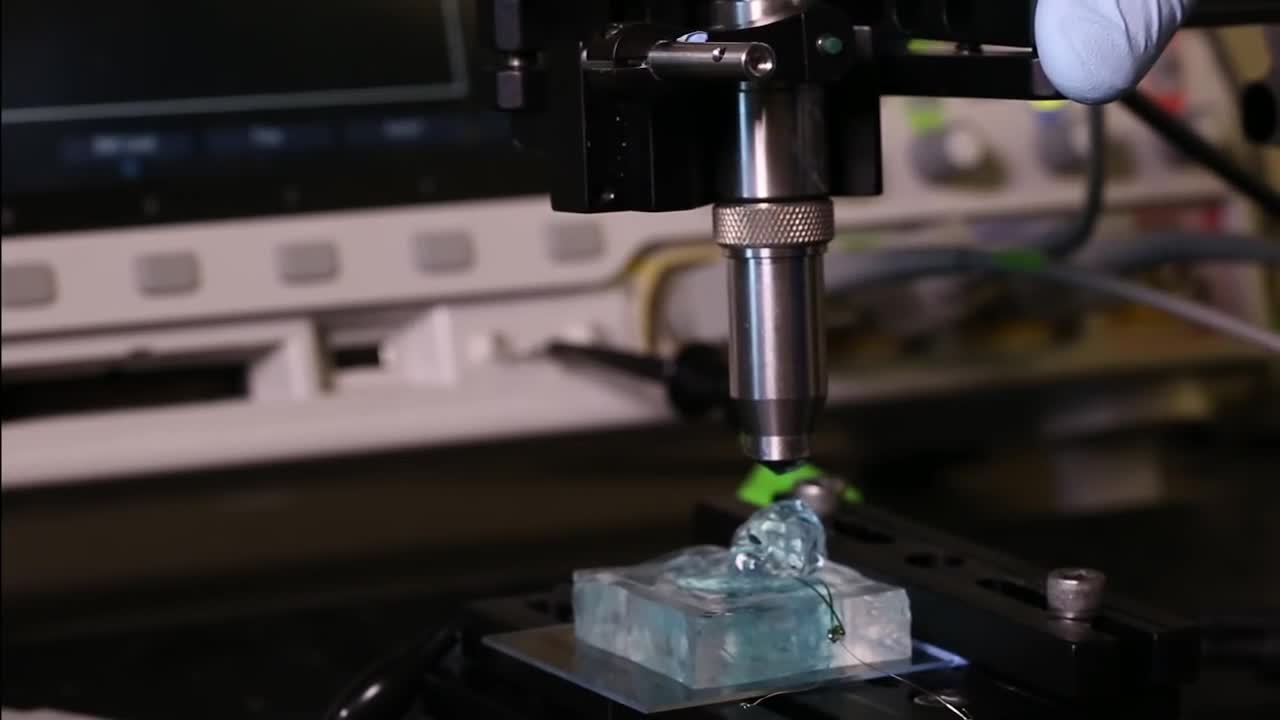

University of California, Berkeley engineers have built the first dust-sized, wireless sensors that can be implanted in the body, bringing closer the day when a Fitbit-like device could monitor internal nerves, muscles or organs in real time.
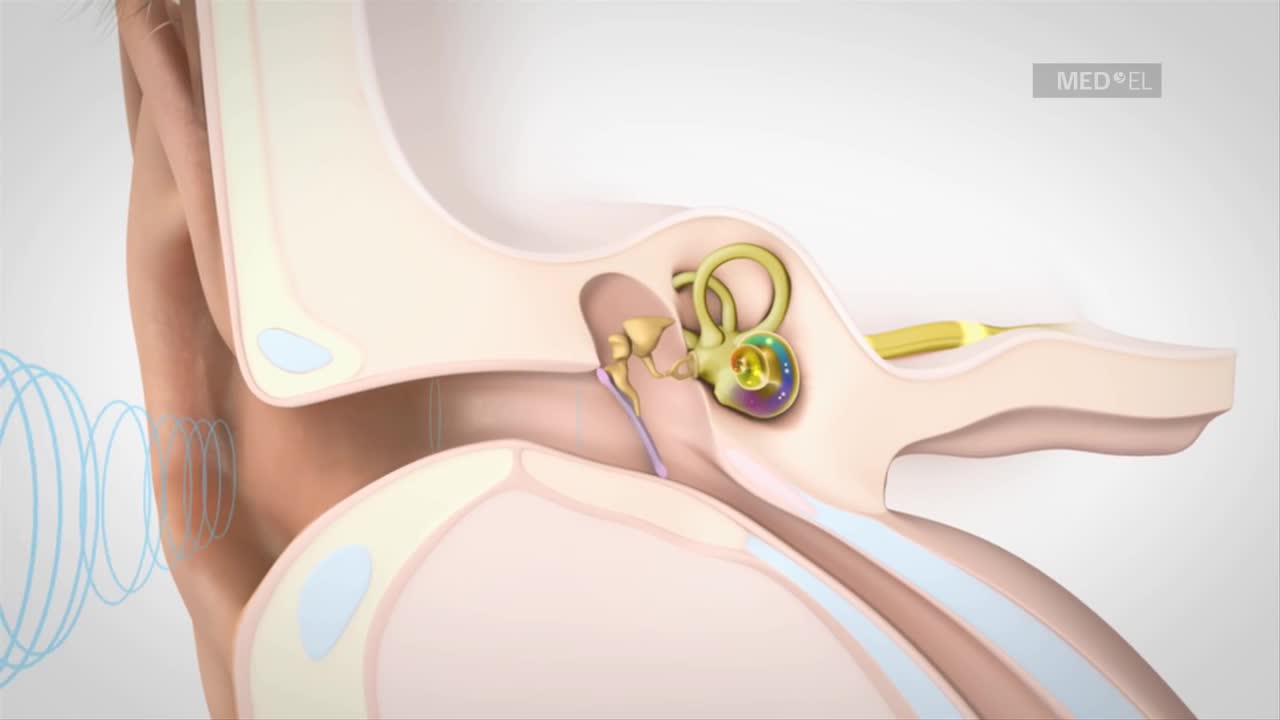
Video to help understand hearing loss and hearing impairment by explaining how hearing works. Cochlear implants can help children and adults with hearing loss

This video describe the clinical managment of a patient with hyperprolactinemia, including the approach to diagnosis, important endocrine testing, and management options.
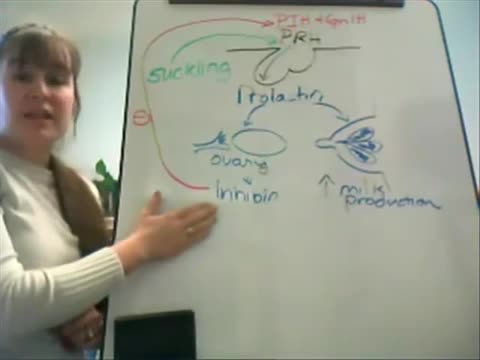
This video is designed for my introductory A&P course to study the endocrine system. This tutorial will take you through the various endocrine organs, hormones produced, and effects at each tissue. Prolactin is one of the 5 hormones we are studying of the anterior pituitary. SHOW MORE

I have elevated prolactin levels. What does this mean? What can I do to regulate my hormones? watch to learn more
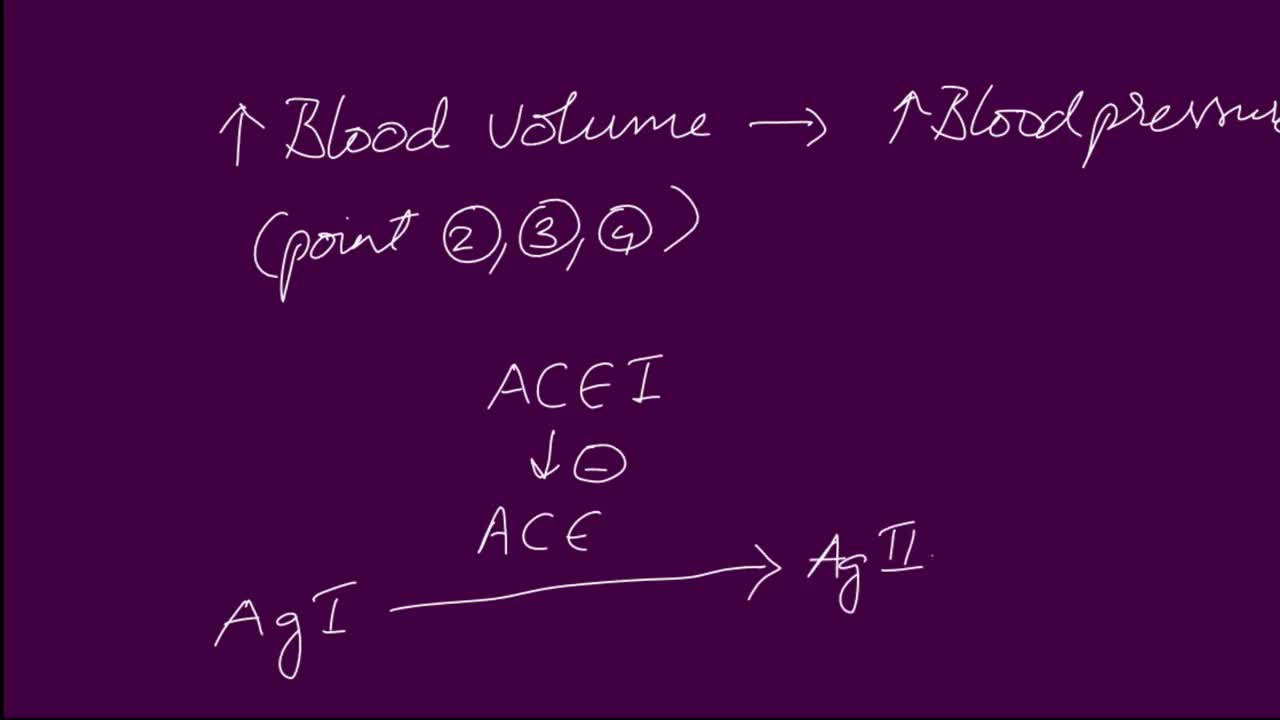
ACE Inhibitor Mechanisms. Angiotensin converting enzyme (ACE) inhibitors are agents used to relax blood vessels and lower blood pressure. They prevent an enzyme from producing angiotensin II, which narrows blood vessels and raises blood pressure, meaning the heart has to work harder to pump blood around the body.

This animated video covers statins, fibrates, niacin, bile resins, and ezetimibe. We will discuss mechanisms of action, which part of the lipid profile is affected by each drug, and common side effects.

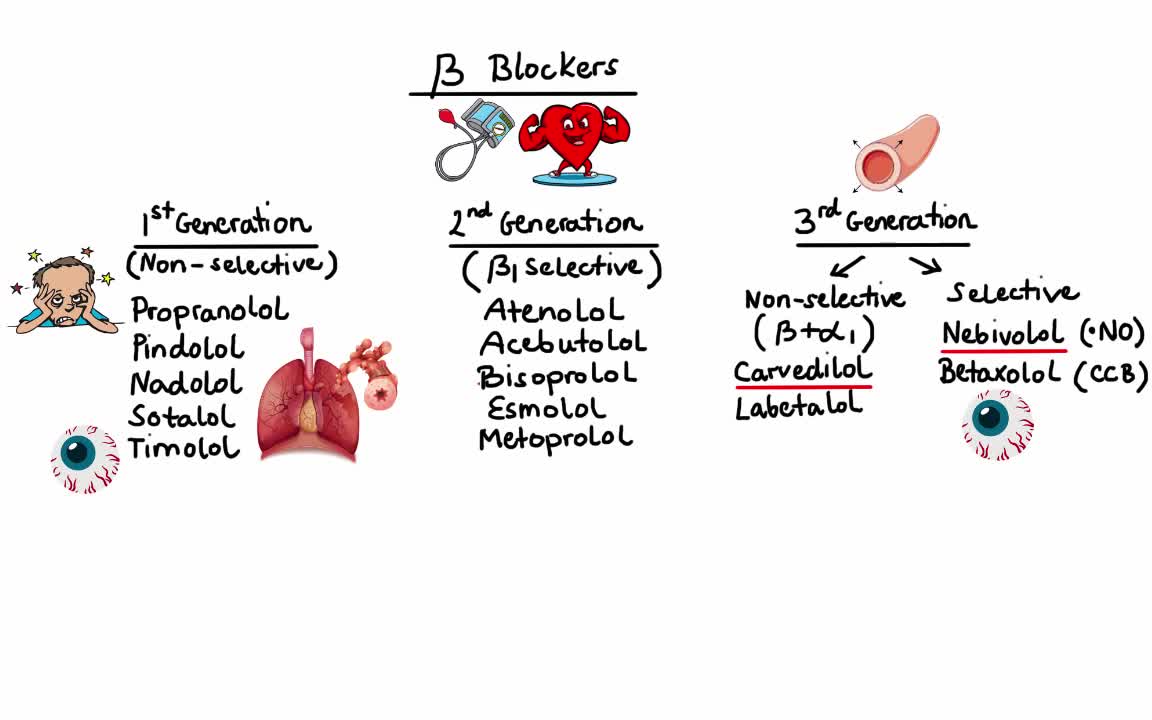
Beta-blockers, also known as beta antagonists, beta-adrenergic blocking agents, or beta-adrenergic antagonists, are drugs that are prescribed to treat several different types of conditions, including hypertension (high blood pressure), angina, some abnormal heart rhythms, heart attack (myocardial infarction), anxiety, ...Jul 27, 2015
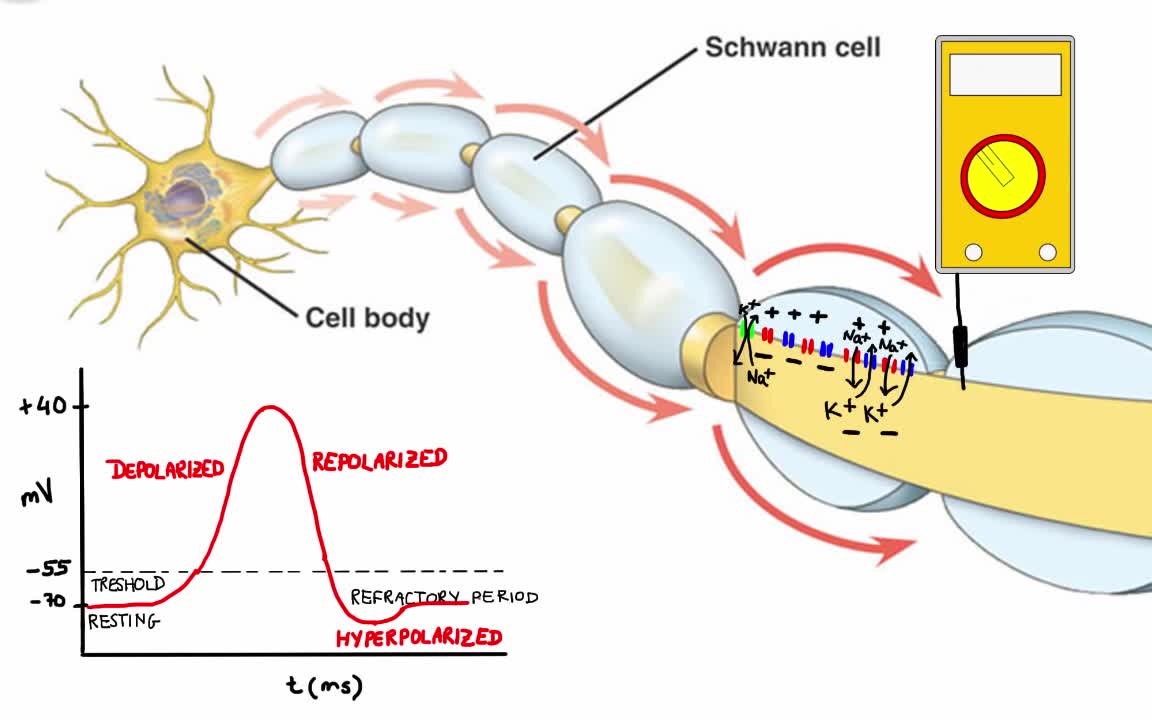
Your body has nerves that connect your brain to the rest of your organs and muscles, just like telephone wires connect homes all around the world. When you want your hand to move, your brain sends signals through your nerves to your hand telling the muscles to contract. But your nerves don’t just say “hand, move.” Instead your nerves send lots of electrical impulses (called action potentials) to different muscles in your hand, allowing you to move your hand with extreme precision.

There have been rapid and remarkable changes over the recent past in treating Parkinson's disease. The development of new drugs and an understanding of how best to use them and the older drugs have significantly improved the quality of life of people with the disease. There are two general approaches to the treatment of Parkinson's disease with medication. The first approach attempts to increase the levels of dopamine in the brain and the second approach attempts to improve the symptoms of Parkinson's disease by other means. Most patients with Parkinson's disease can initially be treated with drugs that adequately alleviate their symptoms. If or when medications are not sufficiently effective, new, highly effective and safe surgical treatments are also available.
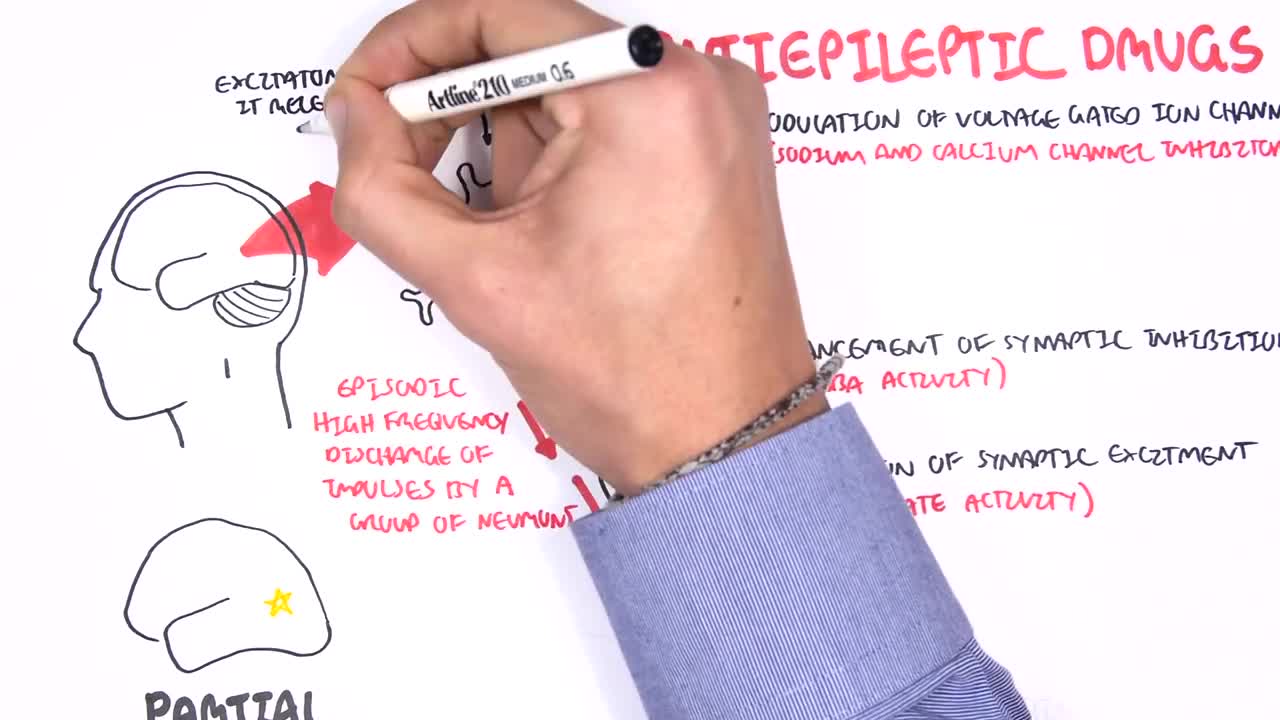
Modern treatment of seizures started in 1850 with the introduction of bromides, which was based on the theory that epilepsy was caused by an excessive sex drive. In 1910, phenobarbital (PHB), which then was used to induce sleep, was found to have antiseizure activity and became the drug of choice for many years. A number of medications similar to PHB were developed, including primidone.
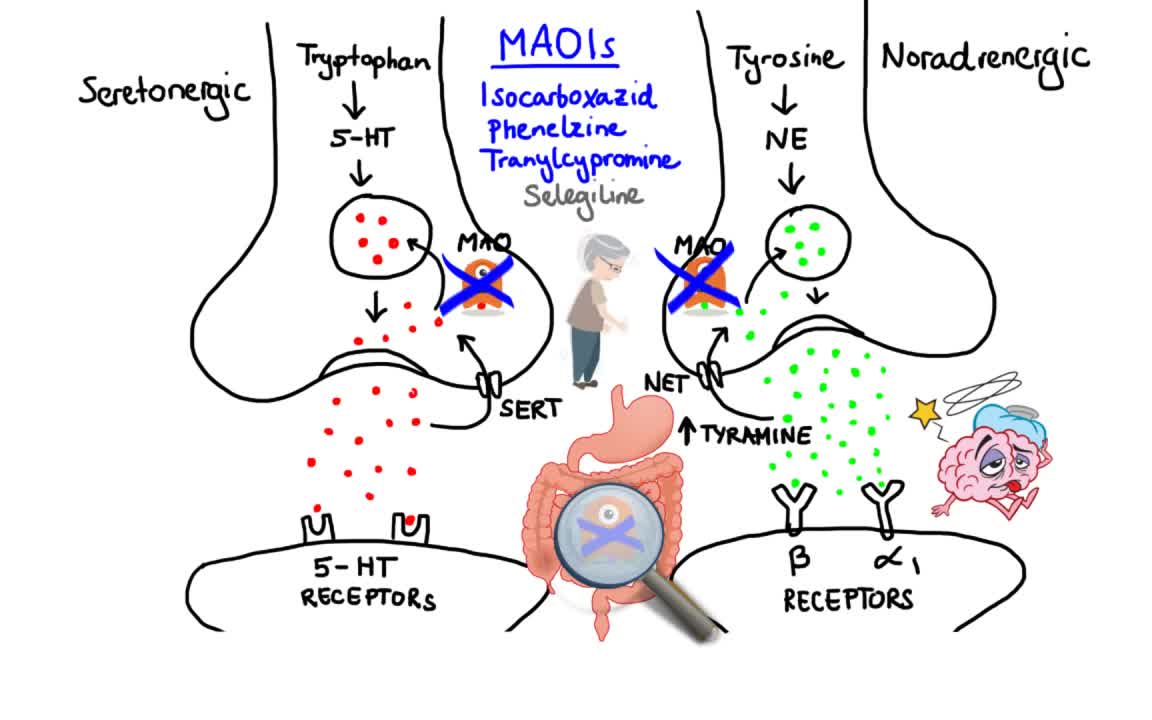
Do you suffer with depression? Maybe you’ve recently been diagnosed or are a caregiver to someone with depression. Learn more about this common mood disorder, including depression causes, risk factors, and prevention. We’ll help you take control of your depression and live an active, healthy life.
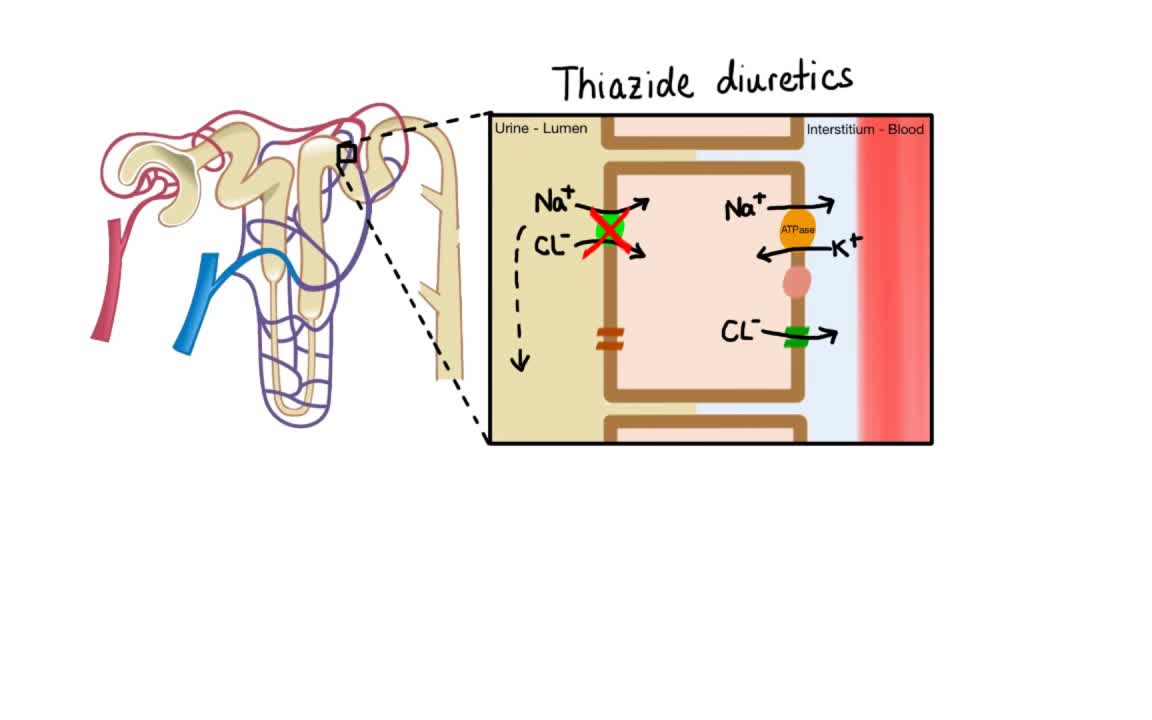
Diuretics, sometimes called water pills, help rid your body of salt (sodium) and water. Most work by making your kidneys release more sodium into your urine. The sodium then takes water with it from your blood. That decreases the amount of fluid flowing through your blood vessels, which reduces pressure on your vessel walls.

Medications to treat high blood pressure Thiazide diuretics. ... Beta blockers. ... Angiotensin-converting enzyme (ACE) inhibitors. ... Angiotensin II receptor blockers (ARBs). ... Calcium channel blockers. ... Renin inhibitors.
Alpha blockers relax certain muscles and help small blood vessels remain open. They work by keeping the hormone norepinephrine (noradrenaline) from tightening the muscles in the walls of smaller arteries and veins, which causes the vessels to remain open and relaxed. This improves blood flow and lowers blood pressure.

Furosemide is a prescription drug. It’s available in two forms that you take by mouth: a tablet and a solution. It’s also available as an injectable solution, which is given by a healthcare provider. The furosemide tablet is available as the brand-name drug Lasix. It’s also available as a generic drug. Generic drugs usually cost less. In some cases, they may not be available in every strength or form as the brand-name version.

Furosemide is used to reduce extra fluid in the body (edema) caused by conditions such as heart failure, liver disease, and kidney disease. This can lessen symptoms such as shortness of breath and swelling in your arms, legs, and abdomen. This drug is also used to treat high blood pressure. Lowering high blood pressure helps prevent strokes, heart attacks, and kidney problems. Furosemide is a "water pill" (diuretic) that causes you to make more urine. This helps your body get rid of extra water and salt.

Digoxin is used to treat heart failure, usually along with other medications. It is also used to treat a certain type of irregular heartbeat (chronic atrial fibrillation). Treating heart failure may help maintain your ability to walk and exercise and may improve the strength of your heart. Treating an irregular heartbeat can decrease the risk for blood clots, an effect that may reduce your risk for a heart attack or stroke.

This medication is used to treat certain types of serious (possibly fatal) irregular heartbeat (such as persistent ventricular fibrillation/tachycardia). It is used to restore normal heart rhythm and maintain a regular, steady heartbeat. Amiodarone is known as an anti-arrhythmic drug. It works by blocking certain electrical signals in the heart that can cause an irregular heartbeat.
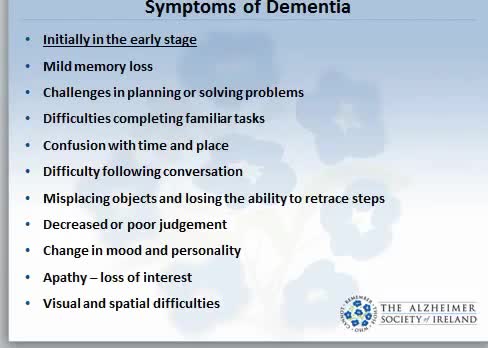
Dementia is not a specific disease. It's an overall term that describes a wide range of symptoms associated with a decline in memory or other thinking skills severe enough to reduce a person's ability to perform everyday activities. Alzheimer's disease accounts for 60 to 80 percent of cases. Vascular dementia, which occurs after a stroke, is the second most common dementia type. But there are many other conditions that can cause symptoms of dementia, including some that are reversible, such as thyroid problems and vitamin deficiencies.
Medical Videos
Free medical and surgery videos for patients, students and professionals — trusted since 2007.
Founded by Dr. Mohamed Ibrahim, MD, PhD — physician-scientist.
Follow us on Facebook · Instagram