
- Physical Examination
- Surgical Examination
- Ophthalmology
- Clinical Skills
- Orthopedics
- Surgery Videos
- Laparoscopy
- Pediatrics
- Funny Videos
- Cardiothoracic Surgery
- Nursing Videos
- Plastic Surgery
- Otorhinolaryngology
- Histology and Histopathology
- Neurosurgery
- Dermatology
- Pediatric Surgery
- Urology
- Dentistry
- Oncology and Cancers
- Anatomy Videos
- Health and Fitness
- Radiology
- Anaesthesia
- Physical Therapy
- Pharmacology
- Interventional Radiology
- Cardiology
- Endocrinology
- Gynecology
- Emergency Medicine
- Psychiatry and Psychology
- Childbirth Videos
- General Medical Videos
- Nephrology
- Physiology
- Diet and Food Health
- Diabetes Mellitus
- Neurology
- Women Health
- Osteoporosis
- Gastroenterology
- Pulmonology
- Hematology
- Rheumatology
- Toxicology
- Nuclear Medicine
- Infectious Diseases
- Vascular Disease
- Reproductive Health
- Burns and Wound Healing
- Kidney Zone Podcast
- Other
Top videos
The most-watched medical videos on MedicalVideos.com — ranked by views from our community of medical students, healthcare professionals, and patients learning how the body works.


How are seizures and epilepsy treated? What should I do if someone has a seizure? When seizure medications don't work, what else can be tried? These are just a few of the questions that you'll find answered here. Some treatment goals are common to everyone. Everyone should know what to do when a person is having a seizure. All people with seizures and their families should know that the real goal of treating epilepsy is to stop seizures or control them as best as possible. But you are more than just a seizure and how epilepsy affects you and your family may be different from someone else. Don't forget the most important goal of the Epilepsy Foundation - helping people with seizures and their families lead full and unrestricted lives according to their own wishes. Patient and doctor discussing treatment options"No seizures, no side effects" is the motto for epilepsy treatment. Not every person will reach that goal right now, but research and getting the "right care at the right time" can help more people achieve it each year. You may learn things here that can help you right away or later on. While seizure medicines are the mainstay of epilepsy treatment, there are other approaches to think about too. We hope these sections will help you learn about different treatments and get the help you need. Learn about the basics of Treatment 101 to help you get started. Look at Receiving Quality Care to see what to expect when you have just been diagnosed or after you have already started treatment. Then learn about specific treatments, what to do if seizures don't stop, and how to develop your health care team. You'll also find tools to help you manage your epilepsy or learn about research studies in other sections, so don't stop here!

Gowers' sign is a medical sign that indicates weakness of the proximal muscles, namely those of the lower limb. The sign describes a patient that has to use his hands and arms to "walk" up his own body from a squatting position due to lack of hip and thigh muscle strength. It is named for William Richard Gowers. Gowers' sign is classically seen in Duchenne muscular dystrophy, but also presents itself in centronuclear myopathy, myotonic dystrophy and various other conditions associated with proximal muscle weakness. For this maneuver, the patient is placed on the floor away from any objects that could otherwise be used to pull oneself to a standing position. It is also used in testing paraplegia.
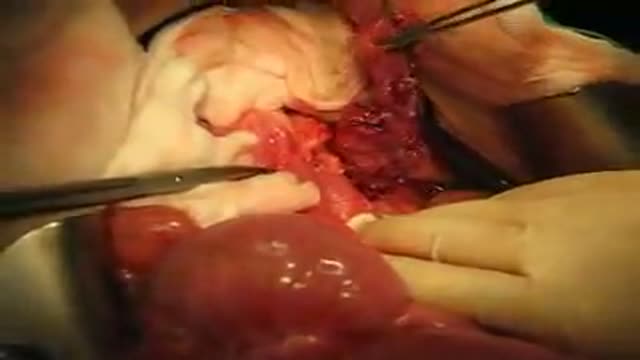
Surgery during a Pancreatectomy. One can see the pancreas half extracted. This is Experimental Surgery, taken during a Pancreas transplantation
A lot of women want to know what type of vaginal discharge is normal during pregnancy, and when you're not pregnant. So let's start out by talking about what's normal when you're not pregnant. It's normal to have about 1/2 teaspoon to 1 teaspoon of whitish, creamy, tannish discharge on most days of your cycle in between periods, with the exception of the time of ovulation. Actually, around the time of ovulation, it's normal to notice the discharge becoming more slippery and clear, almost like egg whites. And this is actually a sign that you can watch for to know when you're ovulating. And if you're seeing this type of discharge and you're trying to have a baby, then you should start to time intercourse with ovulation to increase your chances of conceiving.
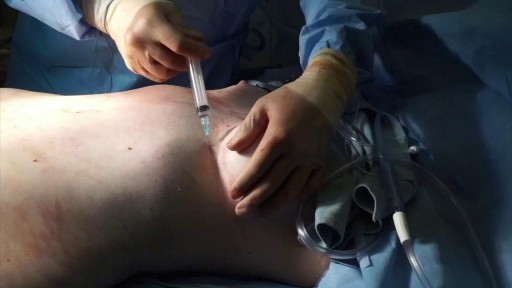
In today's video our patient is on the second stage of her breast reconstruction journey. Previously she had a mastectomy on the left side then we inserted a tissue expander to help stretch the breast tissue to create a pocket for the permanent breast implant that we are placing in today's video. On top of the breast implant we are grafting this patient's own fat into the breast to add a little extra volume and help it be more symmetrical with the other breast.


Types of breast cancer. The different types of breast cancer carry with them different prognosis and different treatment options
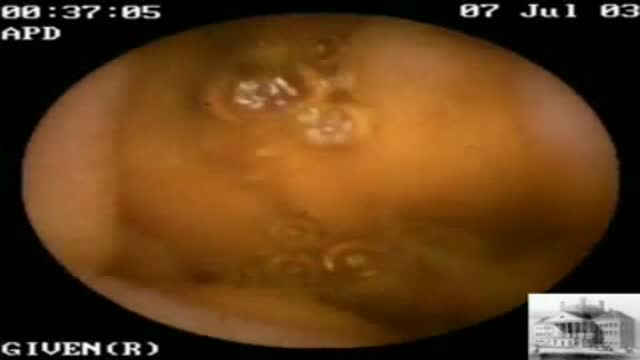
This 81 year old man with severe CAD and CHF was referred for VCE following a negative endoscopic workup for chronic guaiac positive stools. Seen on only three frames, this sequence reveals a single mid small bowel telangectasia, a possible source for his chronic GI blood loss. He has been managed c...onservatively and continues to require intermittent transfusions despite oral iron therapy.
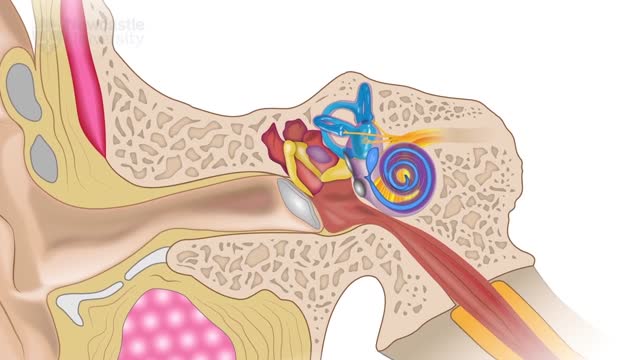
Dizziness is a word that is often used to describe two different feelings. It is important to know exactly what you mean when you say "I feel dizzy," because it can help you and your doctor narrow down the list of possible problems. Lightheadedness is a feeling that you are about to faint or "pass out." Although you may feel dizzy, you do not feel as though you or your surroundings are moving. Lightheadedness often goes away or improves when you lie down. If lightheadedness gets worse, it can lead to a feeling of almost fainting or a fainting spell (syncope). You may sometimes feel nauseated or vomit when you are lightheaded. Vertigo is a feeling that you or your surroundings are moving when there is no actual movement. You may feel as though you are off balance, spinning, whirling, falling, or tilting. When you have severe vertigo, you may feel very nauseated or vomit. You may have trouble walking or standing, and you may lose your balance and fall.
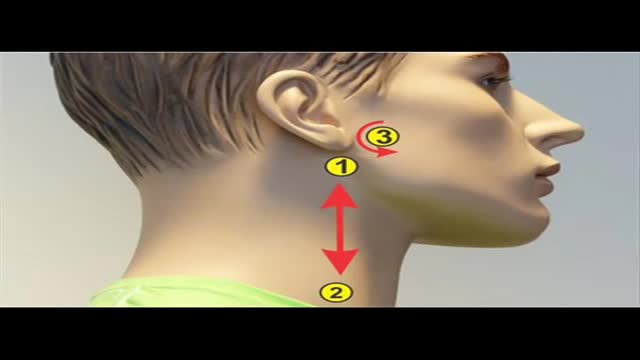
Here are 10 lifestyle changes you can make to lower your blood pressure and keep it down. Lose extra pounds and watch your waistline. Blood pressure often increases as weight increases. ... Exercise regularly. ... Eat a healthy diet. ... Reduce sodium in your diet. ... Limit the amount of alcohol you drink.

Combination of Spinal and Epidural for Obstetric analgesia
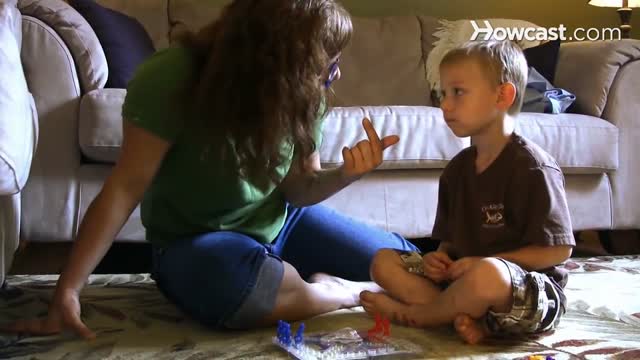
attention deficit hyperactivity disorder (ADHD). Recent evidence supports initial treatment with nonpharmacological interventions (behavior therapy) in preschool age children (3- 5). Parent-child behavioral therapy improves problem behaviors and parent-child relationships. It involves teaching parents to consistently implement effective behavioral techniques (eg, rewards and non-punitive consequences to shape behavior, calm limit setting, structured daily schedules, minimizing distractions). Behavioral interventions can also be used in patients who do not meet full ADHD criteria or in combination with medication for school-aged children and adolescents with ADHD. Medication in preschool children should be considered when behavioral therapy fails or the child's function is severely impaired (repeatedly expelled from day care or school, risks injuring others). The family's preferences and values should always be considered in treatment decisions.

Tattoo Removal from the skin
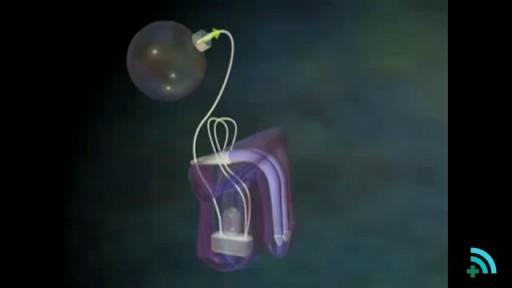
he inflatable penile prosthesis consists of two attached cylinders -- a reservoir and a pump -- which are placed surgically in the body. The two cylinders are inserted in the penis and connected by tubing to a separate reservoir of saline. The reservoir is implanted under the rectus muscles in the lower abdomen.


Endoscopic Drainage of an Orbital Mucocoele

Understanding narcolepsy symptoms to improve alertness.
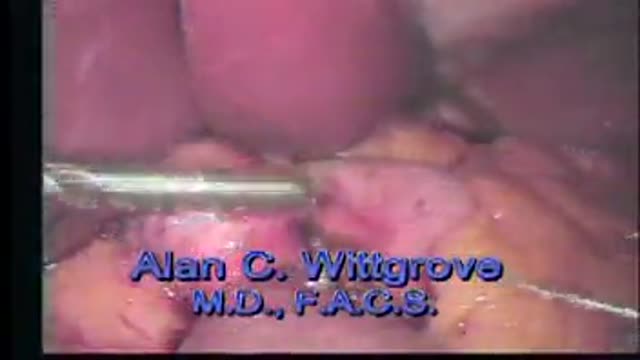
quick-stitch endoscopic sutering system in laproscopic Gastric Bypass surgery
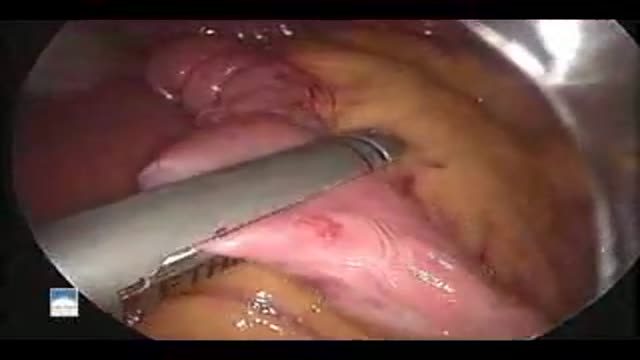
Laparoscopic Roux-en-Y Gastric Bypass with Hand-Sutured Anastomosis. Dr. Dennis Smith, Advanced Obesity Surgery, Marietta, GA

A simple continuous stitch can be a useful technique for skin closure when speed is important, e.g. closing a scalp laceration on a screaming child. The simple running, or continuous suture, is begun in the same way as a simple interrupted suture.
Medical Videos
Free medical and surgery videos for patients, students and professionals — trusted since 2007.
Founded by Dr. Mohamed Ibrahim, MD, PhD — physician-scientist.
Follow us on Facebook · Instagram