
- Physical Examination
- Surgical Examination
- Ophthalmology
- Clinical Skills
- Orthopedics
- Surgery Videos
- Laparoscopy
- Pediatrics
- Funny Videos
- Cardiothoracic Surgery
- Nursing Videos
- Plastic Surgery
- Otorhinolaryngology
- Histology and Histopathology
- Neurosurgery
- Dermatology
- Pediatric Surgery
- Urology
- Dentistry
- Oncology and Cancers
- Anatomy Videos
- Health and Fitness
- Radiology
- Anaesthesia
- Physical Therapy
- Pharmacology
- Interventional Radiology
- Cardiology
- Endocrinology
- Gynecology
- Emergency Medicine
- Psychiatry and Psychology
- Childbirth Videos
- General Medical Videos
- Nephrology
- Physiology
- Diet and Food Health
- Diabetes Mellitus
- Neurology
- Women Health
- Osteoporosis
- Gastroenterology
- Pulmonology
- Hematology
- Rheumatology
- Toxicology
- Nuclear Medicine
- Infectious Diseases
- Vascular Disease
- Reproductive Health
- Burns and Wound Healing
- Other
Top videos
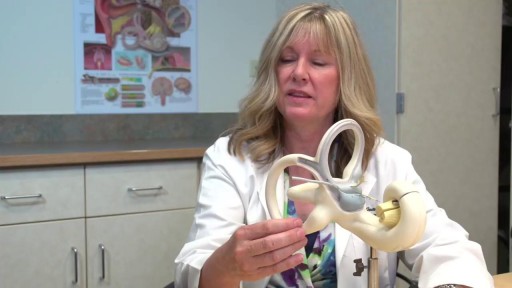

Vertigo is a sensation of feeling off balance. If you have these dizzy spells, you might feel like you are spinning or that the world around you is spinning.

Watch that video to know the Difference Between White and Clear Sperm

Details about the nature and procedure for this "something" will be in the next video ..soon.

How to Reverse Type 2 Diabetes

Ectopia cordis is a rare genetic defect. During a baby’s development in utero, their chest wall doesn’t form correctly. It also doesn’t fuse together as it normally would. This prevents the heart from developing where it should, leaving it defenseless and exposed outside of the protection of the chest wall. The defect affects about one in 126,000 births. In partial ectopia cordis, the heart is located outside the chest wall, but just under the skin. The heart can be seen beating through the skin.

Endoscopic retrograde cholangiopancreatography, or ERCP, is a specialized technique used to study the bile ducts, pancreatic duct and gallbladder. Ducts are drainage routes; the drainage channels from the liver are called bile or biliary ducts. The pancreatic duct is the drainage channel from the pancreas.

How To Lose Weight In A Week, Healthy Eating Plan For Weight Loss, Food For Diet To Lose Weight
http://trick-for-a-flat-belly.info-pro.co
The Fastest Way To Lose Weight In 3 Weeks
Losing weight in a short space of time has always been thought of as a near impossible task. For years, doctors and dieticians have told the public that it takes months and sometimes even years of hard work to see any progress with weight loss, or to sculpt the perfect body. But that is simply not true at all.
The human body is highly adaptable and able to change in extremely short periods of time. Think about. If people can quickly gain mass amounts of fat from weeks of unhealthy eating, shouldn't they be able to lose a lot weight rapidly from weeks of healthy eating? Well, they definitely can.
Click the link below to check it out
http://trick-for-a-flat-belly.info-pro.co
Subscribe to our channel
http://healthy-meal-plan-for-weight-loss.blogspot.com/
https://www.youtube.com/watch?v=GYEtL-NjIPw
How To Lose Weight In A Week, Healthy Eating Plan For Weight Loss, Food For Diet To Lose Weight,
i need to lose weight in a week,
lose weight fast diets,
how to flatten tummy,
healthy eating plan for women for weight loss,
how to lose ab fat,
what is the best exercise to lose weight fast,
tricks to lose weight fast,
foods that make your belly flat,
what to eat to flatten stomach,
how to lose a fat stomach,
how can lose weight fast,
tips for a flat belly fast,
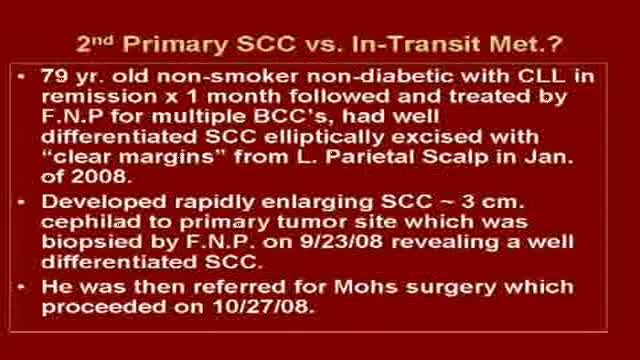
Squmaous Cell Carcinoma Of Scalp Challenging Cases & Controversial Questions with a focus on Mohs frozen section histology and pathology. Visit us @ www.skincancercentre.com.
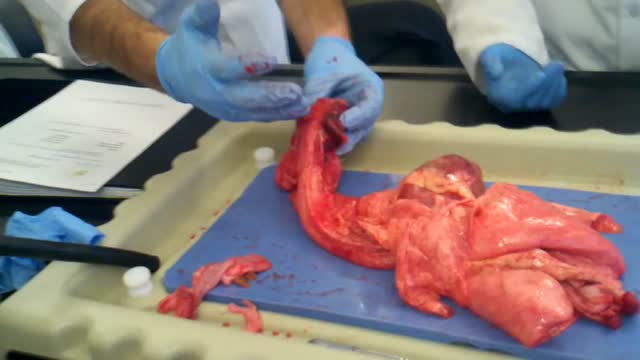
Lungs Inflating
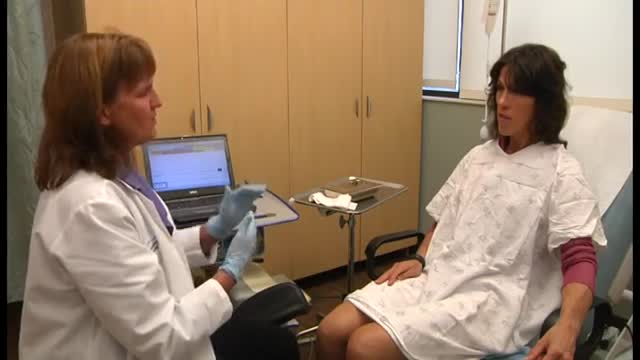
Urinary incontinence isn't a disease, it's a symptom. It can be caused by everyday habits, underlying medical conditions or physical problems. A thorough evaluation by your doctor can help determine what's behind your incontinence. Temporary urinary incontinence Certain drinks, foods and medications can act as diuretics — stimulating your bladder and increasing your volume of urine. They include: Alcohol Caffeine Decaffeinated tea and coffee Carbonated drinks Artificial sweeteners Corn syrup Foods that are high in spice, sugar or acid, especially citrus fruits Heart and blood pressure medications, sedatives, and muscle relaxants Large doses of vitamins B or C Urinary incontinence also may be caused by an easily treatable medical condition, such as: Urinary tract infection. Infections can irritate your bladder, causing you to have strong urges to urinate, and sometimes incontinence. Other signs and symptoms of urinary tract infection include a burning sensation when you urinate and foul-smelling urine. Constipation. The rectum is located near the bladder and shares many of the same nerves. Hard, compacted stool in your rectum causes these nerves to be overactive and increase urinary frequency. Persistent urinary incontinence Urinary incontinence can also be a persistent condition caused by underlying physical problems or changes, including: Pregnancy. Hormonal changes and the increased weight of the uterus can lead to stress incontinence. Childbirth. Vaginal delivery can weaken muscles needed for bladder control and also damage bladder nerves and supportive tissue, leading to a dropped (prolapsed) pelvic floor. With prolapse, the bladder, uterus, rectum or small intestine can get pushed down from the usual position and protrude into the vagina. Such protrusions can be associated with incontinence. Changes with age. Aging of the bladder muscle can decrease the bladder's capacity to store urine. Menopause. After menopause women produce less estrogen, a hormone that helps keep the lining of the bladder and urethra healthy. Deterioration of these tissues can aggravate incontinence. Hysterectomy. In women, the bladder and uterus are supported by many of the same muscles and ligaments. Any surgery that involves a woman's reproductive system, including removal of the uterus, may damage the supporting pelvic floor muscles, which can lead to incontinence. Enlarged prostate. Especially in older men, incontinence often stems from enlargement of the prostate gland, a condition known as benign prostatic hyperplasia. Prostate cancer. In men, stress incontinence or urge incontinence can be associated with untreated prostate cancer. But more often, incontinence is a side effect of treatments for prostate cancer. Obstruction. A tumor anywhere along your urinary tract can block the normal flow of urine, leading to overflow incontinence. Urinary stones — hard, stone-like masses that form in the bladder — sometimes cause urine leakage. Neurological disorders. Multiple sclerosis, Parkinson's disease, stroke, a brain tumor or a spinal injury can interfere with nerve signals involved in bladder control, causing urinary incontinence.

Acanthamoeba keratitis is a rare disease in which amoebae invade the cornea of the eye. It may result in permanent visual impairment or blindness.
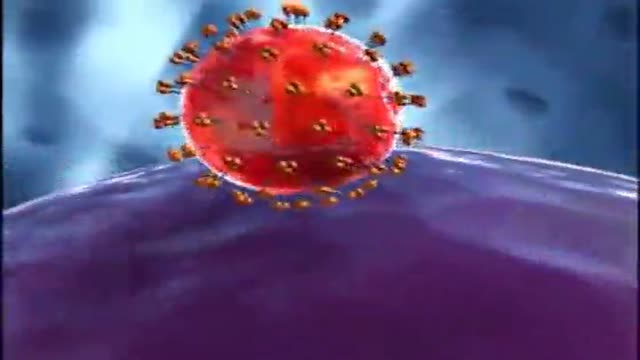
Mechanism of action of a novel HIV drug called Tipranavir
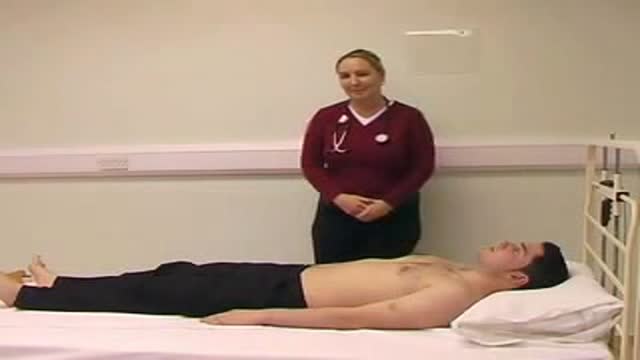
Basic Abdominal Clinical Exam

Coconut Oil Provides Thyroid Gland Benefits
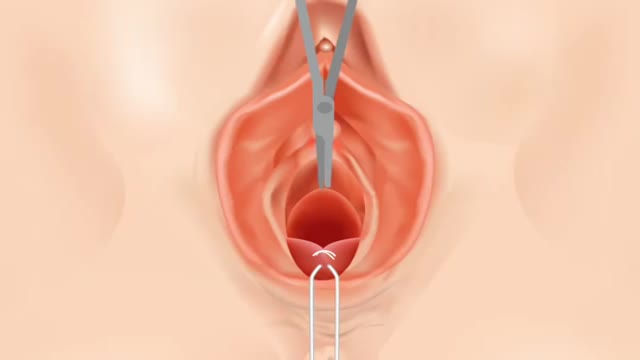
posterior augmentation

The pain of ovulation can range from a mild twinge to severe discomfort and usually lasts from minutes to hours. It is generally felt on one side of the abdomen and may vary each month, depending on which ovary is releasing the egg during that cycle.
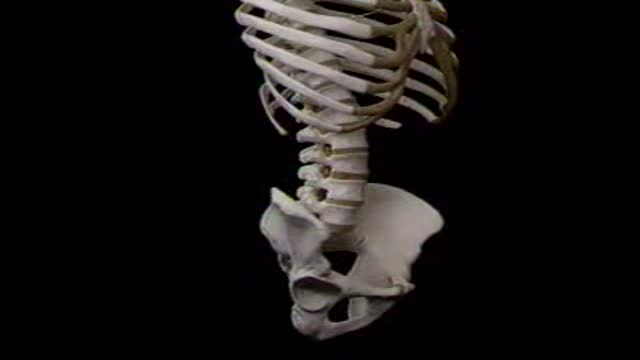
abdominal cavity
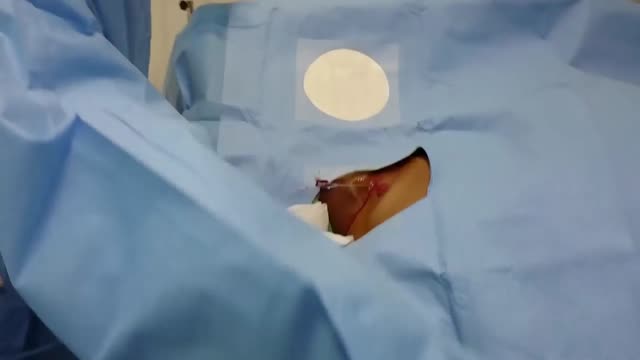
Insertion of a Palindrome TDC in the right internal jugular vein under ultrasound and fluoroscopic guidance at a restructured hospital in Singapore

Toxic shock syndrome is a rare, life-threatening complication of certain types of bacterial infections. Often toxic shock syndrome results from toxins produced by Staphylococcus aureus (staph) bacteria, but the condition may also be caused by toxins produced by group A streptococcus (strep) bacteria. Toxic shock syndrome historically has been associated primarily with the use of superabsorbent tampons. However, since manufacturers pulled certain types of tampons off the market, the incidence of toxic shock syndrome in menstruating women has declined. Toxic shock syndrome can affect men, children and postmenopausal women. Risk factors for toxic shock syndrome include skin wounds and surgery.

Swine Flu Avoid
