
- Physical Examination
- Surgical Examination
- Ophthalmology
- Clinical Skills
- Orthopedics
- Surgery Videos
- Laparoscopy
- Pediatrics
- Funny Videos
- Cardiothoracic Surgery
- Nursing Videos
- Plastic Surgery
- Otorhinolaryngology
- Histology and Histopathology
- Neurosurgery
- Dermatology
- Pediatric Surgery
- Urology
- Dentistry
- Oncology and Cancers
- Anatomy Videos
- Health and Fitness
- Radiology
- Anaesthesia
- Physical Therapy
- Pharmacology
- Interventional Radiology
- Cardiology
- Endocrinology
- Gynecology
- Emergency Medicine
- Psychiatry and Psychology
- Childbirth Videos
- General Medical Videos
- Nephrology
- Physiology
- Diet and Food Health
- Diabetes Mellitus
- Neurology
- Women Health
- Osteoporosis
- Gastroenterology
- Pulmonology
- Hematology
- Rheumatology
- Toxicology
- Nuclear Medicine
- Infectious Diseases
- Vascular Disease
- Reproductive Health
- Burns and Wound Healing
- Kidney Zone Podcast
- Other
Endocrinology Videos & Guides
Endocrinology is the specialty of hormones and the glands that make them — including diabetes, thyroid disease and disorders of the adrenal, pituitary and parathyroid glands. This page gathers MedicalVideos.com's endocrinology library in one place: the most-watched videos from the Endocrinology and Diabetes Mellitus categories (139 videos as of November 2026), the condition guides that belong to this specialty, and links to lab values, drug information and calculators.
✓ Medically reviewed by Dr. Mohamed Ibrahim, MD, PhD — physician-scientist · Last reviewed: November 2026
Top videos
 Diabetes Effects on Body Animation 3D43,083 views
 Hormone Action31,483 views
 Type 2 Diabetes Animation 3D28,183 views
 Why You Got Fat26,624 views
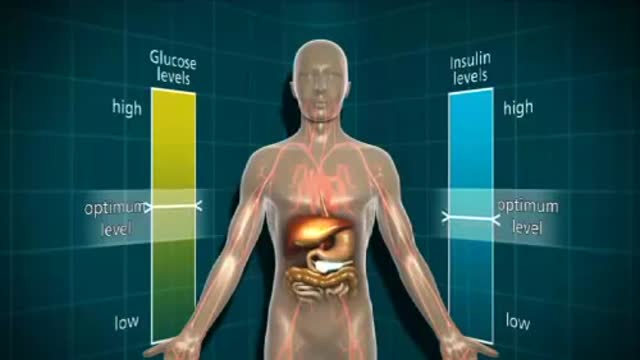 What is diabetes? How does diabetes affect the body?20,899 views
 Diabetes and Blood Pressure17,834 views
About Endocrinology
Endocrinologists manage glands that release hormones into the blood: the thyroid, parathyroids, adrenals, pituitary and pancreas, and the hormone systems behind growth, fertility and bone strength. Diabetes is their largest single area of work, from insulin management to the complications of blood sugar over time.
Below you will find the specialty's most-watched videos, guides for diabetes in its several forms and for thyroid disease, and the calculators — BMI and corrected calcium among them — that endocrine clinics use every day.
Endocrinology overlaps with several neighbours: diabetes care is shared with primary care and diabetes specialist nurses, thyroid surgery with endocrine surgeons, and pituitary disease with neurosurgery and ophthalmology in joint clinics. Dynamic testing — stimulating or suppressing a gland and measuring the response — is the specialty's distinctive diagnostic craft, and many of its clinics are built around day-case test units.
Endocrinology in practice
Hormone problems often develop slowly, so endocrinology leans on careful history-taking and blood tests repeated over time. Many conditions are managed by adjusting replacement hormones or medicines that block them, with doses tuned against blood results and symptoms together.
Diabetes care is the specialty's biggest workload: choosing glucose-lowering medicines or insulin, protecting the kidneys, eyes and feet, and supporting the daily self-management that determines outcomes. The condition guides here explain each hormone system, and the calculators support the numbers clinics check most.
Referral to endocrinology usually comes from a usual doctor when hormone tests are abnormal, diabetes is hard to control, or a gland problem is suspected. Many endocrine conditions are then managed jointly: the specialist sets the plan and interprets the difficult tests, while day-to-day monitoring happens in primary care. Bringing a list of medicines and recent blood results makes the first appointment far more productive.
Condition guides
Reference & hubs
Calculators & tools
Common questions
What does an endocrinologist do?
An endocrinologist diagnoses and treats hormone disorders: diabetes, thyroid and parathyroid disease, adrenal and pituitary problems, hormone-related infertility and metabolic bone disease such as osteoporosis. They interpret hormone blood tests and adjust long-term treatment.
What can I watch and read about endocrinology on MedicalVideos.com?
You can watch the most-watched videos from the site's Endocrinology and Diabetes Mellitus categories — 139 videos as of November 2026 — and read condition guides for type 1 and type 2 diabetes, thyroid disorders, PCOS and other hormone conditions.
When should I see an endocrinologist?
People are usually referred when blood tests show a hormone problem, when diabetes is difficult to control, or for symptoms such as unexplained weight change, severe fatigue or tremor that may come from a gland disorder. Your usual clinician normally arranges the first hormone tests.
More in Medical
Sources
- Endocrine Society (Endocrine Society)
- American Diabetes Association (ADA)
- MedlinePlus — Endocrine diseases (MedlinePlus)
This page is general education only and is not medical advice. It gathers videos and guides published on MedicalVideos.com for one specialty; it does not replace assessment or treatment by your own clinician. Video counts are the counts shown on the site's category pages in November 2026.