- Physical Examination
- Surgical Examination
- Ophthalmology
- Clinical Skills
- Orthopedics
- Surgery Videos
- Laparoscopy
- Pediatrics
- Funny Videos
- Cardiothoracic Surgery
- Nursing Videos
- Plastic Surgery
- Otorhinolaryngology
- Histology and Histopathology
- Neurosurgery
- Dermatology
- Pediatric Surgery
- Urology
- Dentistry
- Oncology and Cancers
- Anatomy Videos
- Health and Fitness
- Radiology
- Anaesthesia
- Physical Therapy
- Pharmacology
- Interventional Radiology
- Cardiology
- Endocrinology
- Gynecology
- Emergency Medicine
- Psychiatry and Psychology
- Childbirth Videos
- General Medical Videos
- Nephrology
- Physiology
- Diet and Food Health
- Diabetes Mellitus
- Neurology
- Women Health
- Osteoporosis
- Gastroenterology
- Pulmonology
- Hematology
- Rheumatology
- Toxicology
- Nuclear Medicine
- Infectious Diseases
- Vascular Disease
- Reproductive Health
- Burns and Wound Healing
- Kidney Zone Podcast
- Other
Liver
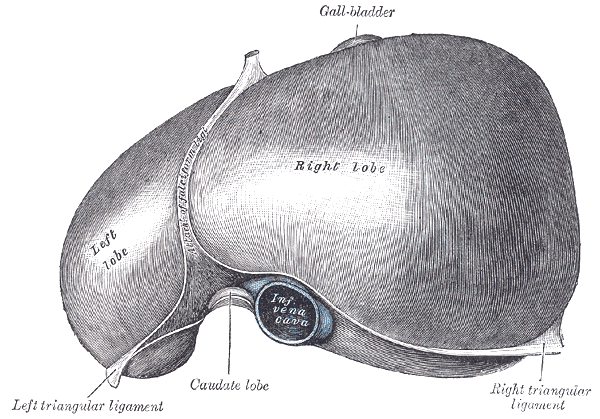
Gray's Anatomy (1918) plate, public domain
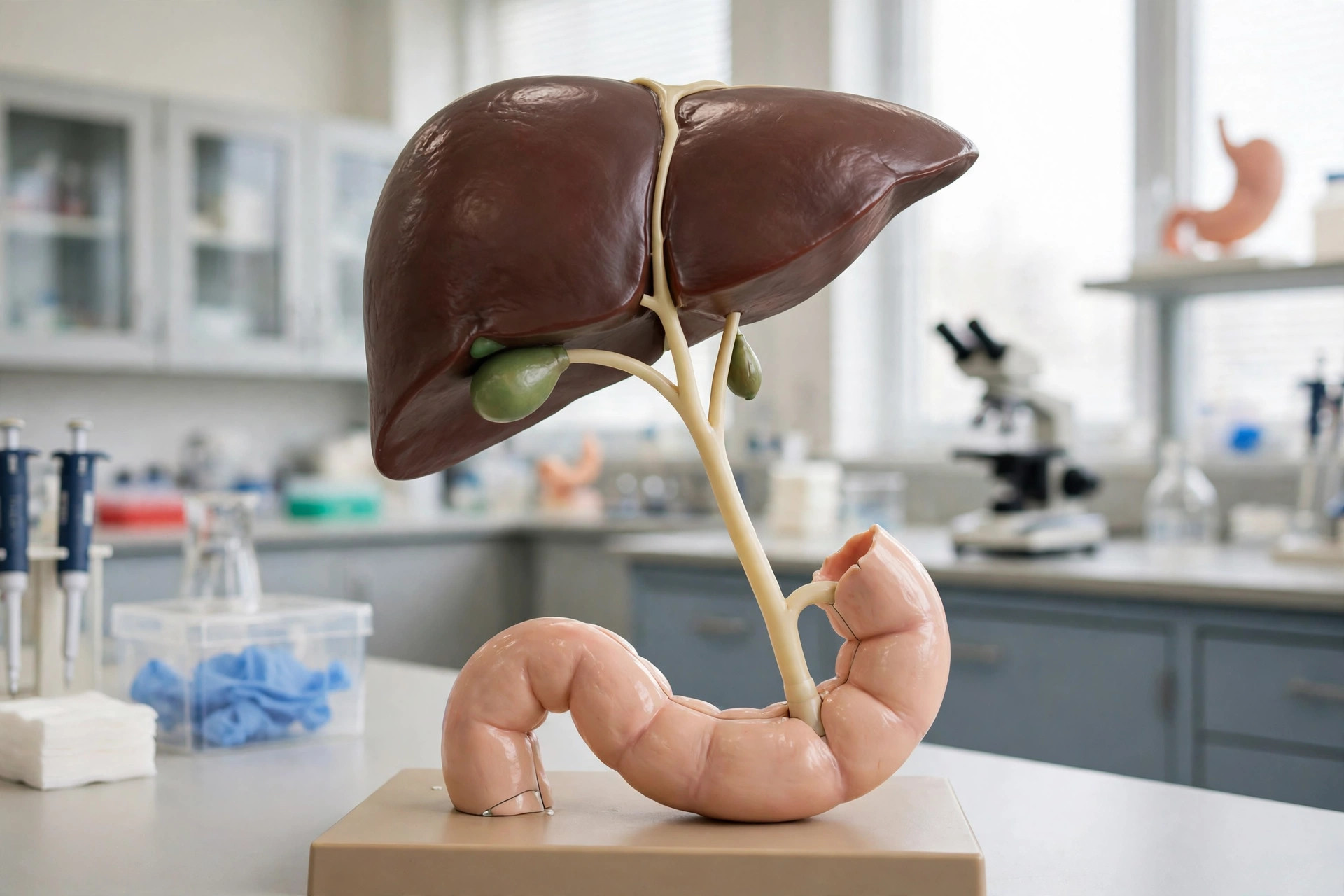
The liver is the body's largest internal organ, about 1.5 kg, tucked under the right ribs. Every drop of blood from the gut reaches it first through the portal vein. It processes nutrients, makes bile for fat digestion, produces most blood-clotting factors and plasma proteins, stores vitamins and glycogen, breaks down old red cells and detoxifies alcohol, medicines and metabolic waste. It has a remarkable ability to regrow after injury or partial removal.
Key facts
- The liver performs over 500 known functions and receives about a quarter of the heart's output.
- It can regenerate: after removal of up to two-thirds, it can regrow to near-original size over months.
- Bile made here (about half a litre a day) is stored and concentrated in the gallbladder.
- The liver is divided into functional segments, each with its own blood and bile supply, which allows segment-by-segment surgery.
What can go wrong
Liver disease often stays silent until advanced because the organ has large reserves. Causes include fatty liver linked to weight and diabetes, viral hepatitis, alcohol, autoimmune and inherited conditions. As scarring (cirrhosis) develops, complications such as jaundice, fluid retention, confusion and bleeding from enlarged veins can follow. Blood tests, ultrasound and elasticity scans (FibroScan) help assess it.
Related conditions
Related procedures & tests
Related symptoms
Watch: related videos
Frequently asked questions
Why do liver problems cause jaundice?
The liver normally processes bilirubin, a yellow pigment from breaking down old red cells; when it cannot keep up or bile cannot drain, bilirubin builds up and yellows the skin and eyes.
Can the liver really grow back?
Yes — remaining healthy liver tissue enlarges to restore function after injury or partial removal, a capacity unusual among major organs, though scarred (cirrhotic) liver regenerates poorly.
Educational information only. This atlas explains normal anatomy and describes conditions in general terms; it is not medical advice and does not replace assessment by a qualified clinician. If you have symptoms that worry you, seek medical care.