- Physical Examination
- Surgical Examination
- Ophthalmology
- Clinical Skills
- Orthopedics
- Surgery Videos
- Laparoscopy
- Pediatrics
- Funny Videos
- Cardiothoracic Surgery
- Nursing Videos
- Plastic Surgery
- Otorhinolaryngology
- Histology and Histopathology
- Neurosurgery
- Dermatology
- Pediatric Surgery
- Urology
- Dentistry
- Oncology and Cancers
- Anatomy Videos
- Health and Fitness
- Radiology
- Anaesthesia
- Physical Therapy
- Pharmacology
- Interventional Radiology
- Cardiology
- Endocrinology
- Gynecology
- Emergency Medicine
- Psychiatry and Psychology
- Childbirth Videos
- General Medical Videos
- Nephrology
- Physiology
- Diet and Food Health
- Diabetes Mellitus
- Neurology
- Women Health
- Osteoporosis
- Gastroenterology
- Pulmonology
- Hematology
- Rheumatology
- Toxicology
- Nuclear Medicine
- Infectious Diseases
- Vascular Disease
- Reproductive Health
- Burns and Wound Healing
- Kidney Zone Podcast
- Other
Accessory Nerve
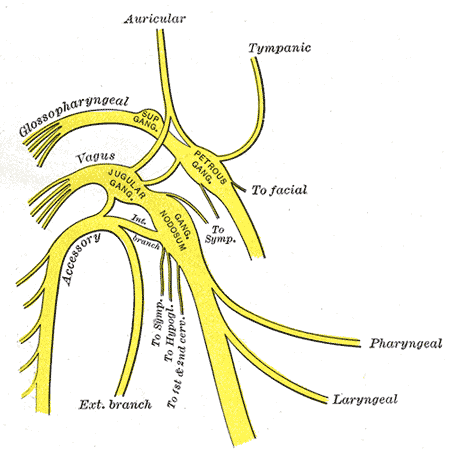
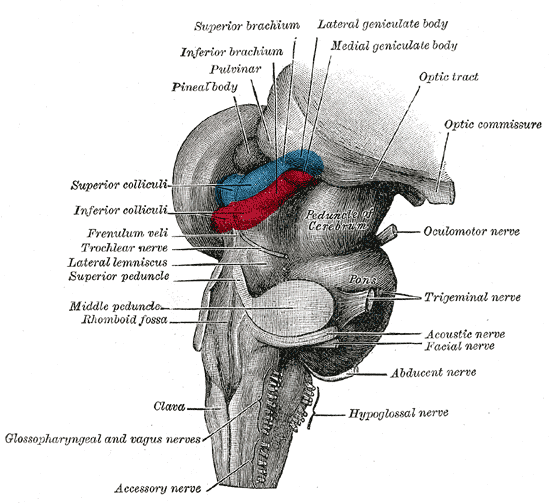
Gray's Anatomy (1918) plate, public domain
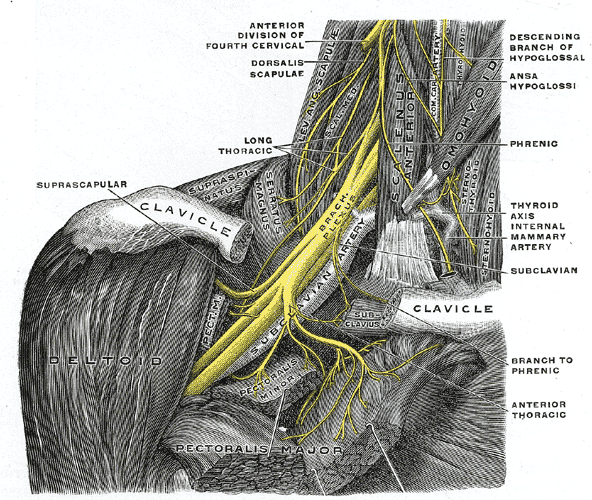
The accessory nerve (cranial nerve XI) is the motor nerve to two muscles: the sternocleidomastoid, which turns the head, and the trapezius, which shrugs the shoulders and braces the shoulder blade. Unusually, it begins in the upper spinal cord, rises into the skull through the foramen magnum, then leaves again with the vagus and glossopharyngeal nerves.
Key facts
- It is the only cranial nerve that enters and then leaves the skull.
- It supplies just two muscles — sternocleidomastoid and trapezius.
- It crosses the back triangle of the neck just under the skin, where it is vulnerable.
- Its spinal root comes from the upper five cervical segments.
- Testing it: shrug against resistance and turn the head against a hand.
What can go wrong
The nerve's exposed course across the neck makes it a known casualty of lymph-node biopsy and neck surgery in the posterior triangle, causing shoulder droop, aching and difficulty raising the arm. Early physiotherapy and sometimes surgical repair are used to protect shoulder function.
Related symptoms
Related muscles
Frequently asked questions
Why does this nerve take such a strange route?
It is really a spinal nerve whose muscles migrated: its rootlets form in the neck cord, climb into the skull alongside the cord, then exit with the other throat nerves — a route set by development rather than logic.
How is accessory nerve damage spotted?
The shoulder on the affected side sits lower, the shrug is weak, and the shoulder blade wings slightly when the arm is raised — with wasting of the trapezius visible over time.
Educational information only. This atlas explains normal anatomy and describes conditions in general terms; it is not medical advice and does not replace assessment by a qualified clinician. If you have symptoms that worry you, seek medical care.