- Physical Examination
- Surgical Examination
- Ophthalmology
- Clinical Skills
- Orthopedics
- Surgery Videos
- Laparoscopy
- Pediatrics
- Funny Videos
- Cardiothoracic Surgery
- Nursing Videos
- Plastic Surgery
- Otorhinolaryngology
- Histology and Histopathology
- Neurosurgery
- Dermatology
- Pediatric Surgery
- Urology
- Dentistry
- Oncology and Cancers
- Anatomy Videos
- Health and Fitness
- Radiology
- Anaesthesia
- Physical Therapy
- Pharmacology
- Interventional Radiology
- Cardiology
- Endocrinology
- Gynecology
- Emergency Medicine
- Psychiatry and Psychology
- Childbirth Videos
- General Medical Videos
- Nephrology
- Physiology
- Diet and Food Health
- Diabetes Mellitus
- Neurology
- Women Health
- Osteoporosis
- Gastroenterology
- Pulmonology
- Hematology
- Rheumatology
- Toxicology
- Nuclear Medicine
- Infectious Diseases
- Vascular Disease
- Reproductive Health
- Burns and Wound Healing
- Kidney Zone Podcast
- Other
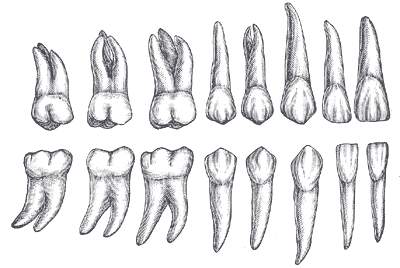
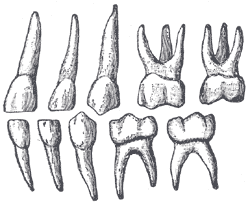
Incisors
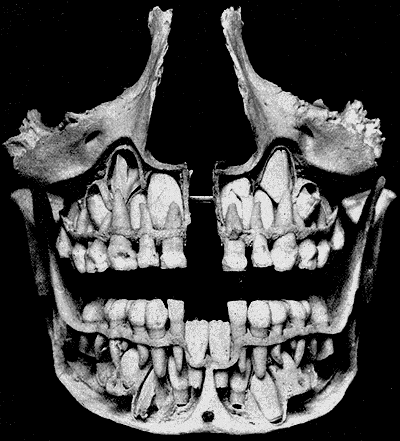
Gray's Anatomy (1918) plate, public domain
The incisors are the eight front teeth — four upper and four lower — with thin, chisel-shaped edges for biting and cutting food. The upper central incisors are the most prominent teeth in the smile and usually the first permanent teeth to appear, at about age 6 to 7.
Key facts
- There are eight incisors: central and lateral pairs in each jaw.
- Their thin edges work like blades to cut food.
- Upper incisors usually have a single root; lower ones are the smallest teeth.
- They also shape speech sounds such as 'f' and 'v'.
- The upper front teeth are the teeth most often injured in falls.
What can go wrong
Front teeth are the most commonly damaged teeth in childhood falls and sports injuries — chips, fractures and complete knock-outs. Because the upper incisors are prominent, they are also often involved when the bite is misaligned, and they can wear down with heavy grinding.
Related symptoms
Watch: related videos
Frequently asked questions
Which teeth come through first?
In both sets, the lower central incisors are usually first: baby incisors at around 6 months, and the permanent lower incisors at about age 6.
Why do my front teeth feel sensitive at the edge?
The cutting edge of an incisor is mostly enamel and dentine with the nerve close by; if enamel wears or the gum recedes, temperature and sweet foods can reach the sensitive dentine more easily.
Educational information only. This atlas explains normal anatomy and describes conditions in general terms; it is not medical advice and does not replace assessment by a qualified clinician. If you have symptoms that worry you, seek medical care.