- Physical Examination
- Surgical Examination
- Ophthalmology
- Clinical Skills
- Orthopedics
- Surgery Videos
- Laparoscopy
- Pediatrics
- Funny Videos
- Cardiothoracic Surgery
- Nursing Videos
- Plastic Surgery
- Otorhinolaryngology
- Histology and Histopathology
- Neurosurgery
- Dermatology
- Pediatric Surgery
- Urology
- Dentistry
- Oncology and Cancers
- Anatomy Videos
- Health and Fitness
- Radiology
- Anaesthesia
- Physical Therapy
- Pharmacology
- Interventional Radiology
- Cardiology
- Endocrinology
- Gynecology
- Emergency Medicine
- Psychiatry and Psychology
- Childbirth Videos
- General Medical Videos
- Nephrology
- Physiology
- Diet and Food Health
- Diabetes Mellitus
- Neurology
- Women Health
- Osteoporosis
- Gastroenterology
- Pulmonology
- Hematology
- Rheumatology
- Toxicology
- Nuclear Medicine
- Infectious Diseases
- Vascular Disease
- Reproductive Health
- Burns and Wound Healing
- Kidney Zone Podcast
- Other
Olfactory Nerve
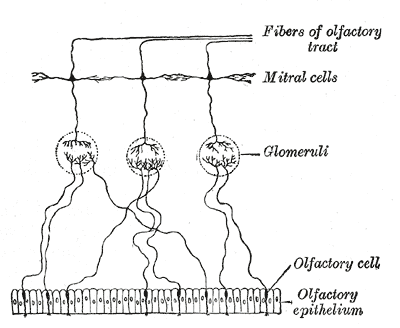
Gray's Anatomy (1918) plate, public domain
The olfactory nerve (cranial nerve I) is the nerve of smell. It is unusual: not a single cord but many fine fibres rising from smell receptors high in the nose, through the perforated cribriform plate of the ethmoid bone, to the olfactory bulbs under the front of the brain. Much of flavour is actually smell reaching these receptors from the mouth.
Key facts
- It is the shortest cranial nerve.
- Its fibres are among the few neurons replaced throughout life.
- Smell is the only sense that bypasses the thalamus relay.
- Humans can distinguish thousands of odours.
- It passes through the cribriform plate — the reason head injuries can shear it.
What can go wrong
Loss of smell (anosmia) most often follows viral infections of the nose, including common colds and COVID-19, and can follow head injury when the fine fibres are torn at the skull base. Persistent smell loss is also an early feature of some neurological conditions and is worth reporting.
Related symptoms
Frequently asked questions
Why does food taste bland with a cold?
Most of what we call flavour is smell: aromas rise from the back of the mouth to the olfactory area. A blocked or inflamed nose silences that channel, leaving only the tongue's basic tastes — sweet, sour, salty, bitter and umami.
Can smell come back after it is lost?
Often, yes, after viral infections it recovers over weeks to months as receptor neurons regenerate. Smell training — regularly sniffing strong odours — is sometimes recommended during recovery.
Educational information only. This atlas explains normal anatomy and describes conditions in general terms; it is not medical advice and does not replace assessment by a qualified clinician. If you have symptoms that worry you, seek medical care.