- Physical Examination
- Surgical Examination
- Ophthalmology
- Clinical Skills
- Orthopedics
- Surgery Videos
- Laparoscopy
- Pediatrics
- Funny Videos
- Cardiothoracic Surgery
- Nursing Videos
- Plastic Surgery
- Otorhinolaryngology
- Histology and Histopathology
- Neurosurgery
- Dermatology
- Pediatric Surgery
- Urology
- Dentistry
- Oncology and Cancers
- Anatomy Videos
- Health and Fitness
- Radiology
- Anaesthesia
- Physical Therapy
- Pharmacology
- Interventional Radiology
- Cardiology
- Endocrinology
- Gynecology
- Emergency Medicine
- Psychiatry and Psychology
- Childbirth Videos
- General Medical Videos
- Nephrology
- Physiology
- Diet and Food Health
- Diabetes Mellitus
- Neurology
- Women Health
- Osteoporosis
- Gastroenterology
- Pulmonology
- Hematology
- Rheumatology
- Toxicology
- Nuclear Medicine
- Infectious Diseases
- Vascular Disease
- Reproductive Health
- Burns and Wound Healing
- Kidney Zone Podcast
- Other
Parietal Lobe
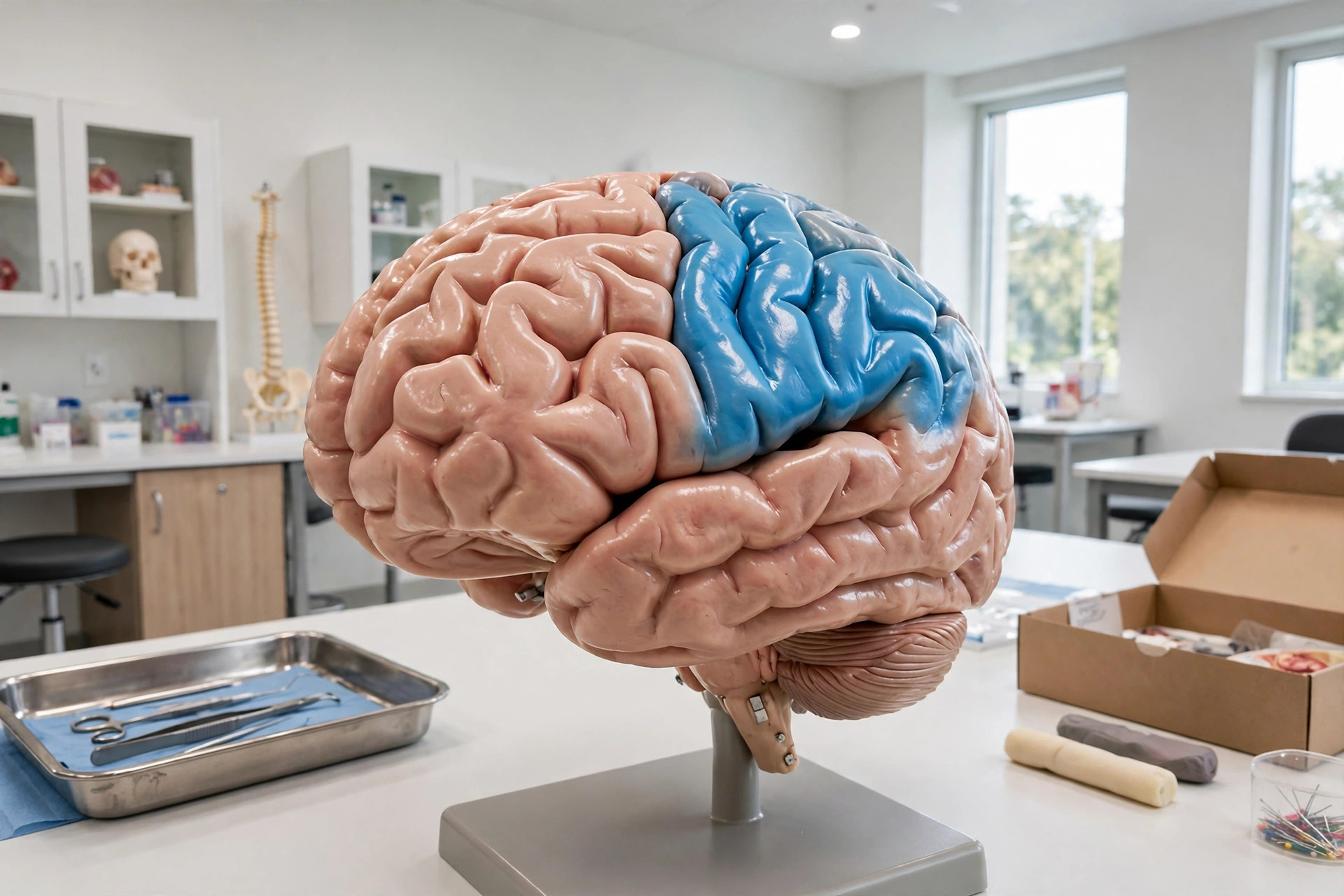
AI-generated anatomical illustration
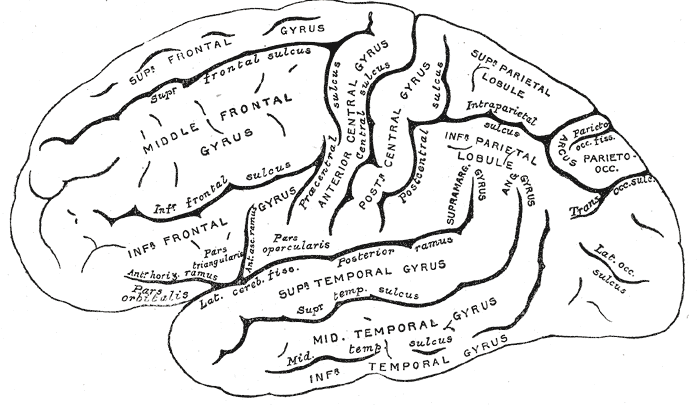
The parietal lobe sits at the top-middle of each hemisphere, behind the frontal lobe. Its front strip is the primary somatosensory cortex receiving touch, pain, temperature and position signals from the opposite side of the body. The rest integrates those signals with vision and language to build spatial awareness, body image, calculation and skilled movement. The dominant (usually left) lobe supports reading and number processing; the non-dominant supports attention to space.
Key facts
- The sensory cortex devotes disproportionate space to the lips, tongue and fingertips, mirroring their sensitivity.
- The parietal lobes tell you where your limbs are without looking (proprioception).
- They combine both sides of space into one scene — the basis of spatial attention.
- Skilled gestures (praxis), like using tools, are organised here and in connected frontal areas.
What can go wrong
The signature parietal problem is neglect: after a (usually right-sided) stroke, a person may ignore the left side of space — eating from only half the plate or shaving half the face — without realising anything is missing. Other effects include loss of sensation on the opposite side, difficulty with calculation, writing and left-right orientation, and clumsiness of learned movements.
Related conditions
Related procedures & tests
Related symptoms
Frequently asked questions
What is hemispatial neglect?
A failure to attend to one side of space after parietal damage — not a vision or weakness problem, but an attention problem, so the person may be unaware of it.
Why are the hands and lips so big on the sensory map?
Cortical area is allocated by sensitivity, not skin area: densely innervated parts needing fine discrimination get the most processing territory.
Educational information only. This atlas explains normal anatomy and describes conditions in general terms; it is not medical advice and does not replace assessment by a qualified clinician. If you have symptoms that worry you, seek medical care.