- Physical Examination
- Surgical Examination
- Ophthalmology
- Clinical Skills
- Orthopedics
- Surgery Videos
- Laparoscopy
- Pediatrics
- Funny Videos
- Cardiothoracic Surgery
- Nursing Videos
- Plastic Surgery
- Otorhinolaryngology
- Histology and Histopathology
- Neurosurgery
- Dermatology
- Pediatric Surgery
- Urology
- Dentistry
- Oncology and Cancers
- Anatomy Videos
- Health and Fitness
- Radiology
- Anaesthesia
- Physical Therapy
- Pharmacology
- Interventional Radiology
- Cardiology
- Endocrinology
- Gynecology
- Emergency Medicine
- Psychiatry and Psychology
- Childbirth Videos
- General Medical Videos
- Nephrology
- Physiology
- Diet and Food Health
- Diabetes Mellitus
- Neurology
- Women Health
- Osteoporosis
- Gastroenterology
- Pulmonology
- Hematology
- Rheumatology
- Toxicology
- Nuclear Medicine
- Infectious Diseases
- Vascular Disease
- Reproductive Health
- Burns and Wound Healing
- Kidney Zone Podcast
- Other
Skull
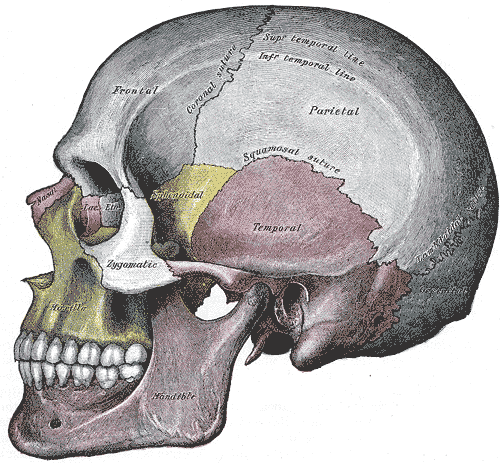
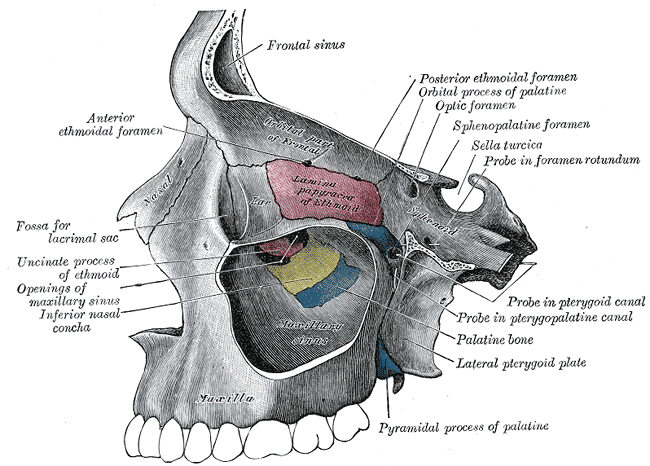
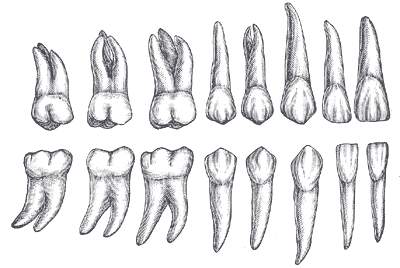
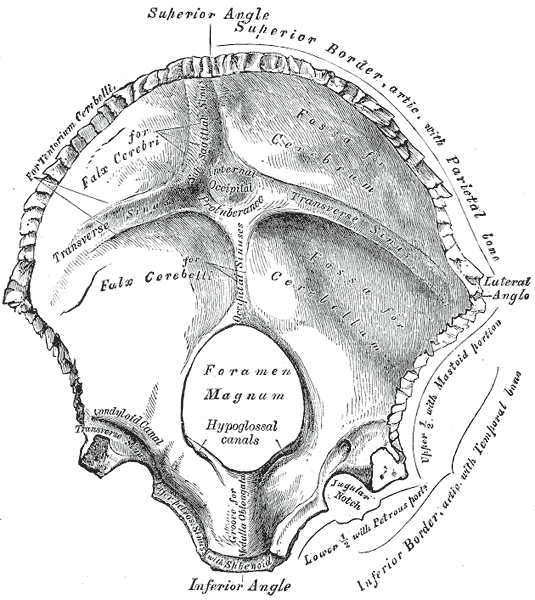
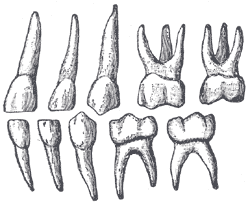
Gray's Anatomy (1918) plate, public domain
The skull is the bony framework of the head. It is made of 22 bones joined by firm fibrous joints called sutures, plus the separate lower jaw. Its job is to protect the brain, support the face, house the organs of sight, hearing, smell and taste, and provide the upper half of the jaw for chewing.
Key facts
- The skull has two main parts: the cranium (braincase) and the facial skeleton.
- Most skull bones are locked together at wavy joints called sutures, which allow slight growth in childhood.
- The only freely moving bone of the skull is the mandible (lower jaw).
- The skull contains air-filled spaces (sinuses) that lighten it and shape the voice.
- Foramina — small holes in the skull — let nerves and blood vessels pass to and from the brain.
What can go wrong
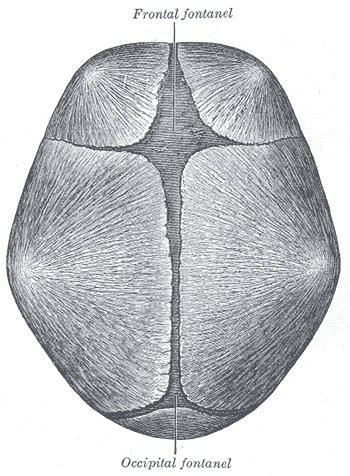
Skull bones can fracture from a blow or fall, which is why head injuries are always assessed carefully. The sinuses inside the skull can become inflamed (sinusitis). In babies, the soft spots between the bones normally close during the first two years; a skull that grows in an unusual shape in infancy is checked by a specialist.
Related procedures & tests
Related symptoms
Watch: related videos
Frequently asked questions
How many bones are in the skull?
Adults have 22 skull bones: 8 form the cranium around the brain and 14 form the face, counting the lower jaw (mandible) as one of them. The tiny ear ossicles are sometimes counted separately, which brings some totals to 28.
Why does the skull have joints if it does not move?
The suture joints let the skull grow as the brain grows during childhood, and they let a baby's head mould slightly during birth. In adult life they gradually fuse and become almost completely rigid.
Educational information only. This atlas explains normal anatomy and describes conditions in general terms; it is not medical advice and does not replace assessment by a qualified clinician. If you have symptoms that worry you, seek medical care.