- Physical Examination
- Surgical Examination
- Ophthalmology
- Clinical Skills
- Orthopedics
- Surgery Videos
- Laparoscopy
- Pediatrics
- Funny Videos
- Cardiothoracic Surgery
- Nursing Videos
- Plastic Surgery
- Otorhinolaryngology
- Histology and Histopathology
- Neurosurgery
- Dermatology
- Pediatric Surgery
- Urology
- Dentistry
- Oncology and Cancers
- Anatomy Videos
- Health and Fitness
- Radiology
- Anaesthesia
- Physical Therapy
- Pharmacology
- Interventional Radiology
- Cardiology
- Endocrinology
- Gynecology
- Emergency Medicine
- Psychiatry and Psychology
- Childbirth Videos
- General Medical Videos
- Nephrology
- Physiology
- Diet and Food Health
- Diabetes Mellitus
- Neurology
- Women Health
- Osteoporosis
- Gastroenterology
- Pulmonology
- Hematology
- Rheumatology
- Toxicology
- Nuclear Medicine
- Infectious Diseases
- Vascular Disease
- Reproductive Health
- Burns and Wound Healing
- Kidney Zone Podcast
- Other
Wisdom Teeth
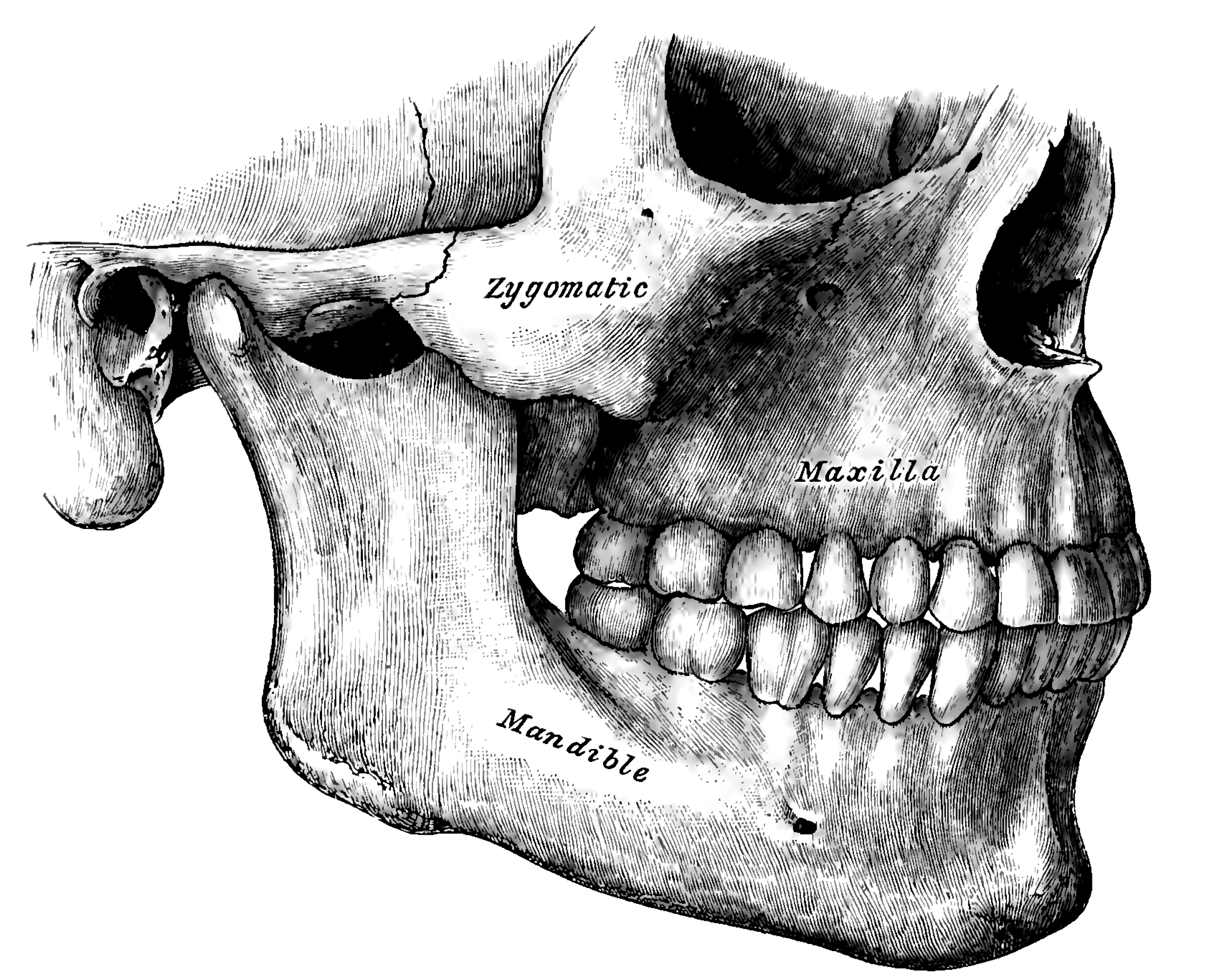
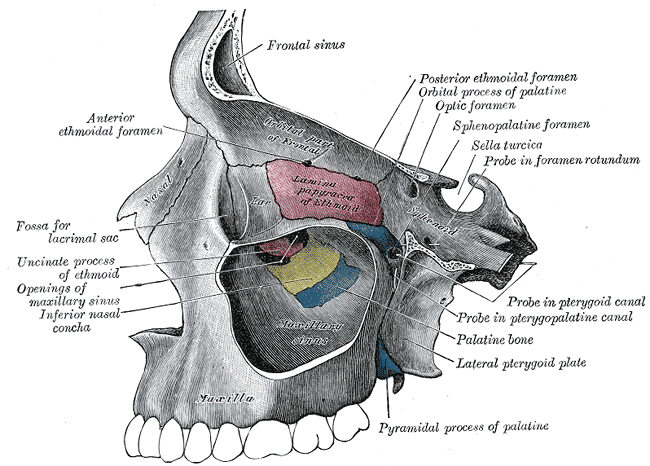
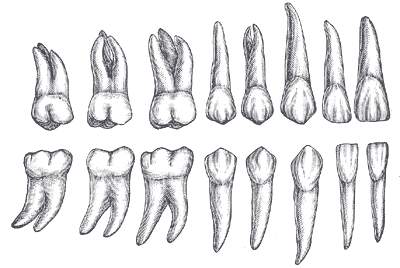
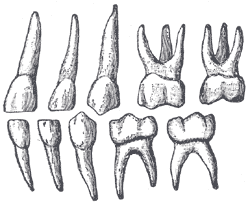
Gray's Anatomy (1918) plate, public domain
The wisdom teeth are the third molars, the last teeth to develop, usually appearing between the late teens and mid-twenties — the 'age of wisdom'. Many jaws have little room for them, so they may erupt at an angle, come through partly, or stay buried (impacted) in the jaw.
Key facts
- There are up to four wisdom teeth, one at the back of each quarter.
- They are the last permanent teeth to erupt — and some never do.
- Some people have fewer than four, or none at all; this is increasingly common.
- Partly erupted wisdom teeth are prone to gum infection around them (pericoronitis).
- Their roots lie close to the nerve of the lower jaw, which surgeons assess before removal.
What can go wrong
Trouble from wisdom teeth usually comes from lack of space: a partly covered tooth traps food and bacteria, causing repeated gum infections, decay in the tooth or its neighbour, and occasionally cysts around a buried tooth. Many buried wisdom teeth cause no problem and are simply monitored; removal is generally reserved for those causing symptoms or damage.
Related symptoms
Watch: related videos
Frequently asked questions
Does everyone need their wisdom teeth removed?
No. Wisdom teeth that are healthy, fully erupted or quietly buried without causing damage are usually just kept under review. Removal is advised when they repeatedly cause infection, decay or harm to neighbouring teeth.
Why do wisdom teeth cause problems so often?
Human jaws have become smaller over evolutionary time while tooth numbers stayed similar, so the last teeth to arrive frequently find no room to erupt properly.
Educational information only. This atlas explains normal anatomy and describes conditions in general terms; it is not medical advice and does not replace assessment by a qualified clinician. If you have symptoms that worry you, seek medical care.