
- Physical Examination
- Surgical Examination
- Ophthalmology
- Clinical Skills
- Orthopedics
- Surgery Videos
- Laparoscopy
- Pediatrics
- Funny Videos
- Cardiothoracic Surgery
- Nursing Videos
- Plastic Surgery
- Otorhinolaryngology
- Histology and Histopathology
- Neurosurgery
- Dermatology
- Pediatric Surgery
- Urology
- Dentistry
- Oncology and Cancers
- Anatomy Videos
- Health and Fitness
- Radiology
- Anaesthesia
- Physical Therapy
- Pharmacology
- Interventional Radiology
- Cardiology
- Endocrinology
- Gynecology
- Emergency Medicine
- Psychiatry and Psychology
- Childbirth Videos
- General Medical Videos
- Nephrology
- Physiology
- Diet and Food Health
- Diabetes Mellitus
- Neurology
- Women Health
- Osteoporosis
- Gastroenterology
- Pulmonology
- Hematology
- Rheumatology
- Toxicology
- Nuclear Medicine
- Infectious Diseases
- Vascular Disease
- Reproductive Health
- Burns and Wound Healing
- Kidney Zone Podcast
- Other
Gynecomastia
Gynecomastia is the enlargement of glandular breast tissue in boys and men, caused by an imbalance between the hormones estrogen and testosterone. This page explains its symptoms, causes, and treatment in plain language, with videos to help you follow the key points.
✓ Medically reviewed by Dr. Mohamed Ibrahim, MD, PhD — physician-scientist · Last reviewed: November 2026
In short: Gynecomastia is common at puberty and again in older men, and it often settles on its own without treatment. It feels like a firm, rubbery disc of tissue under the nipple, which distinguishes it from soft fatty enlargement of the chest. A persistent, one-sided, hard, or painful lump should always be examined to rule out other causes.
Watch: Gynecomastia videos
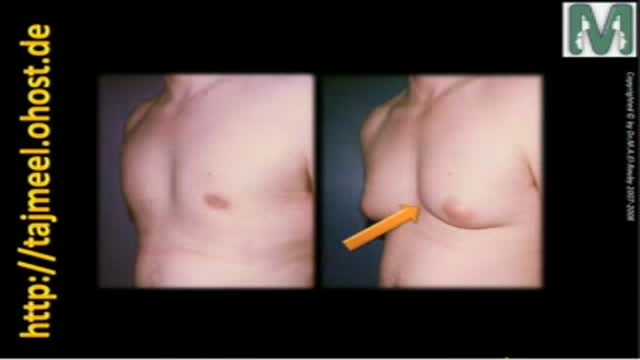 Gynecomastia تصغير الثدى للرجال Dr. M. El-Rouby د. الروبى
22,962 views
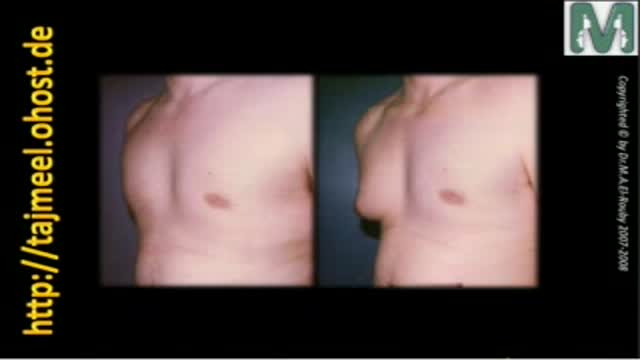 Gynecomastia (ARABIC) د. محمد الروبى تصغير الثدى للرجال
21,662 views
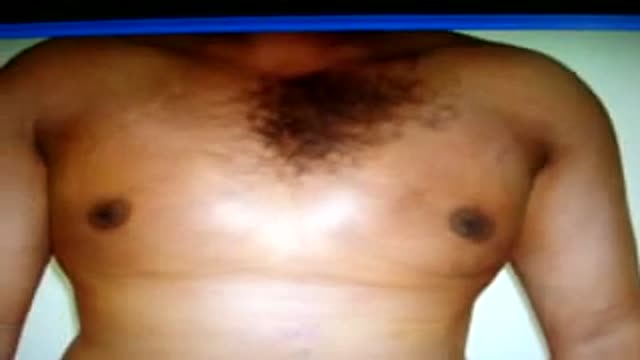 GYNECOMASTIA IN QATAR
10,889 views
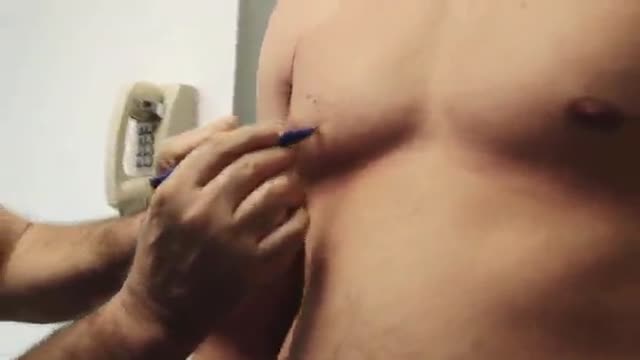 HD Gynecomastia Surgery
10,094 views
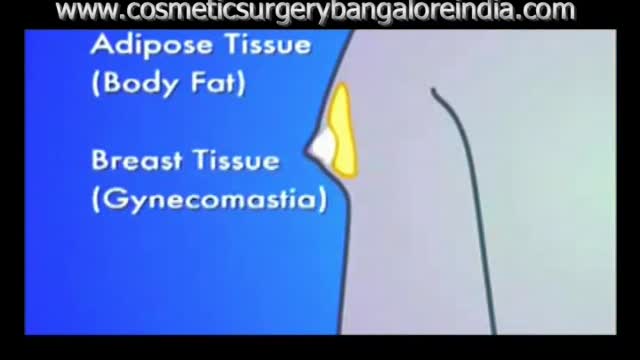 CORRECTION OF GYNECOMASTIA,Dr.M.S.VENKATESH
9,235 views
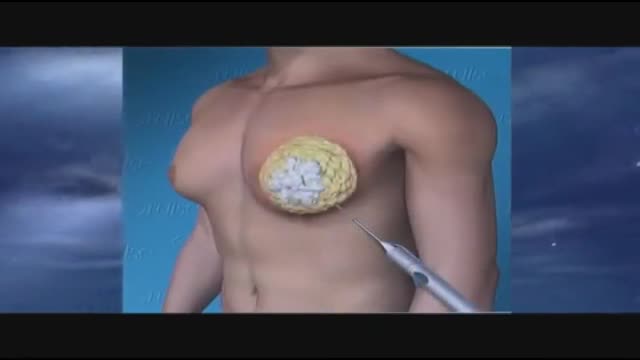 Gynecomastia 3D Animation
7,295 views
Read: the plain-language guide
Overview
All males have a small amount of breast gland tissue, and gynecomastia develops when that gland grows. It is different from fatty enlargement of the chest, sometimes called pseudogynecomastia, which is soft and linked to overall weight. Glandular enlargement is very common during puberty, when hormone levels are shifting, and becomes more common again with age as testosterone levels fall. In most cases it is benign, but understanding the cause matters because occasionally it signals another health problem.
Symptoms
The main sign is swollen breast tissue, on one or both sides, felt as a firm or rubbery disc centred under the nipple. The area may be tender, especially in teenagers and in the early stages of growth. Features that are not typical of gynecomastia, and always need prompt examination, include a hard lump away from the nipple, a lump on one side only that is growing, discharge from the nipple, and dimpling or puckering of the skin.
Causes & risk factors
Gynecomastia results from relatively more estrogen effect than testosterone effect on the breast gland. Puberty and ageing cause this shift naturally. It can also be triggered by certain medicines, including some prescribed for prostate enlargement, heart conditions, stomach acid, and mental health problems, and by anabolic steroids, some herbal products, and heavy alcohol use. Health conditions that disturb hormones, such as liver disease, kidney failure, an overactive thyroid, and rarely hormone-producing tumours, can also be responsible.
How it's diagnosed
A doctor can usually diagnose gynecomastia by examining the chest and distinguishing gland tissue from fat or a discrete lump. You will be asked about medicines, supplements, steroids, and alcohol, as these are common triggers. Blood tests may check hormone levels and liver, kidney, and thyroid function. If the examination finds a suspicious lump, imaging and referral to a breast clinic follow, just as they would for a woman.
Treatment overview
Many cases need no treatment beyond reassurance and time: puberty-related enlargement usually settles as hormones stabilise. When a medicine or another condition is the cause, treating that cause, or changing the medicine under your doctor's direction, may reverse the growth. Medicines that adjust hormone effects are sometimes used in selected early cases. For enlargement that persists, causes pain, or causes significant distress, surgery to remove the gland, sometimes combined with liposuction, is the definitive option.
When to seek care
Book a prompt appointment for any new breast lump that is hard, fixed, one-sided, or growing, for discharge from the nipple, or for changes in the skin over the breast. Male breast cancer is uncommon, but it does occur and should never be assumed away.
Frequently asked questions
Is gynecomastia the same as chest fat?
No. Gynecomastia is growth of the breast gland itself and feels like a firm disc under the nipple, whereas chest fat is soft, spread out, and part of overall body weight. Losing weight shrinks fat but does not remove gland tissue, which is why examination helps clarify which you have.
Will gynecomastia go away on its own?
Often, yes. Enlargement that appears during puberty usually settles within a few months to a couple of years as hormone levels even out. In adults, whether it resolves depends on the cause; long-standing gland tissue is less likely to disappear without treatment.
Can men get breast cancer?
Yes. Male breast cancer is uncommon, but it happens, and it typically presents as a hard, painless lump, sometimes with nipple changes. Any new one-sided or hard lump should be examined rather than assumed to be gynecomastia.
Can exercise get rid of gynecomastia?
Exercise helps if the enlargement is fatty, because overall fat loss reduces the chest too. It cannot remove gland tissue, so true gynecomastia that persists needs medical treatment or surgery rather than more training.
More in Men's Health
Related topics on MedicalVideos.com
Sources & further reading
Authoritative references for readers who want to go deeper:
This page is for general education only and is not medical advice. A hard, one-sided breast lump, nipple discharge, or skin change in a man should be examined promptly — male breast cancer is uncommon but real.