
- Physical Examination
- Surgical Examination
- Ophthalmology
- Clinical Skills
- Orthopedics
- Surgery Videos
- Laparoscopy
- Pediatrics
- Funny Videos
- Cardiothoracic Surgery
- Nursing Videos
- Plastic Surgery
- Otorhinolaryngology
- Histology and Histopathology
- Neurosurgery
- Dermatology
- Pediatric Surgery
- Urology
- Dentistry
- Oncology and Cancers
- Anatomy Videos
- Health and Fitness
- Radiology
- Anaesthesia
- Physical Therapy
- Pharmacology
- Interventional Radiology
- Cardiology
- Endocrinology
- Gynecology
- Emergency Medicine
- Psychiatry and Psychology
- Childbirth Videos
- General Medical Videos
- Nephrology
- Physiology
- Diet and Food Health
- Diabetes Mellitus
- Neurology
- Women Health
- Osteoporosis
- Gastroenterology
- Pulmonology
- Hematology
- Rheumatology
- Toxicology
- Nuclear Medicine
- Infectious Diseases
- Vascular Disease
- Reproductive Health
- Burns and Wound Healing
- Kidney Zone Podcast
- Other
Varicocele
A varicocele is a swelling of the veins inside the scrotum, similar to a varicose vein in the leg, and it usually forms on the left side. This page explains its symptoms, causes, and treatment in plain language, with videos to help you follow the key points.
✓ Medically reviewed by Dr. Mohamed Ibrahim, MD, PhD — physician-scientist · Last reviewed: November 2026
In short: Most varicoceles cause no symptoms and need no treatment at all. Some cause a dull ache or heaviness in the scrotum and a tangle of veins often described as feeling like a bag of worms. Treatment is offered when there is ongoing pain, the testicle on that side is smaller, or fertility is affected.
Watch: Varicocele videos
Read: the plain-language guide
Overview
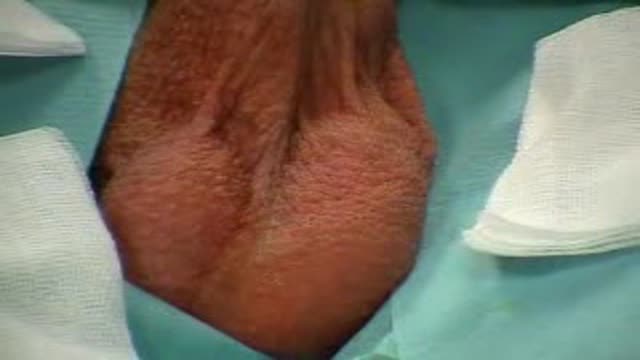
The testicles are drained by a network of small veins. When the one-way valves in these veins do not work well, blood pools and the veins stretch and swell, forming a varicocele. They usually develop around puberty and are found most often on the left side, because of how the left vein drains. Varicoceles are common and, for most men, harmless. Their importance lies in the minority who develop pain, reduced growth of the testicle in teenagers, or impaired sperm production.
Symptoms
Many varicoceles cause no symptoms and are noticed on examination or during fertility testing. When symptoms occur, they include a dull ache or dragging heaviness in the scrotum that is worse after standing or by the end of the day and eases when lying down. Swollen veins may be visible or feel like a tangle above the testicle. The testicle on the affected side is sometimes smaller, which matters most in adolescents whose testicles are still growing.
Causes & risk factors
The cause is faulty valves in the veins draining the testicle, which let blood flow backwards and pool instead of moving towards the heart. The left side is affected far more often because its vein joins the kidney vein at a right angle, a route more prone to back-pressure. A varicocele that appears suddenly in an older man, or one that does not reduce when lying down, is unusual and needs investigation, as it can occasionally reflect pressure on the vein from within the abdomen.
How it's diagnosed
Diagnosis is usually made by examination, feeling the scrotum while you stand and while you strain gently, which makes the swollen veins more obvious. A scrotal ultrasound can confirm the finding, measure blood flow, and compare the size of the two testicles. If fertility is a concern, a semen analysis checks sperm numbers and quality. Further tests are arranged if the varicocele has unusual features, such as appearing only on the right side.
Treatment overview
Most varicoceles need no treatment, just reassurance and review if things change. Aches often respond to supportive underwear and simple pain relievers. Repair is considered for persistent pain, for teenagers whose affected testicle is falling behind in growth, and for men with fertility problems and abnormal semen results. Repair either ties off the swollen veins in a small operation or blocks the vein from inside using X-ray guidance, called embolisation. Semen quality is rechecked some months after repair when fertility was the reason for treating.
When to seek care
Arrange a prompt appointment for any new scrotal swelling, especially if it is on the right side only or appears suddenly in later life. Get emergency care immediately for sudden severe pain in a testicle, which is more likely to be a twisted testicle than a varicocele and needs treatment within hours to save the testicle.
Frequently asked questions
Does a varicocele affect fertility?
It can in some men, because pooled blood warms the testicle and may reduce sperm production and quality. Many men with varicoceles father children without any treatment, so a semen test is the way to know whether yours is having an effect.
Can a varicocele go away on its own?
Generally no. Once the veins have stretched, a varicocele tends to persist, though it may never cause symptoms or need treatment. New or changing swelling should still be examined so other causes are not missed.
Why is a varicocele usually on the left side?
Because of anatomy: the vein draining the left testicle joins the left kidney vein at a right angle, which makes back-pressure and valve failure more likely than on the right, where the vein drains more directly. A right-sided varicocele is therefore checked more carefully.
Is varicocele repair a major operation?
No. Repair is usually a day-case procedure, either a small operation to tie off the veins or an embolisation performed through a vein under X-ray guidance. Most men return to normal activities within days, though heavy lifting is avoided briefly.
More in Men's Health
Related topics on MedicalVideos.com
Sources & further reading
Authoritative references for readers who want to go deeper:
- Cleveland Clinic: Varicocele (Cleveland Clinic)
- MedlinePlus: Testicular Disorders
This page is for general education only and is not medical advice. Sudden severe pain in a testicle is an emergency — it may be a twisted testicle (torsion), a different problem from varicocele that needs immediate care.