
- Physical Examination
- Surgical Examination
- Ophthalmology
- Clinical Skills
- Orthopedics
- Surgery Videos
- Laparoscopy
- Pediatrics
- Funny Videos
- Cardiothoracic Surgery
- Nursing Videos
- Plastic Surgery
- Otorhinolaryngology
- Histology and Histopathology
- Neurosurgery
- Dermatology
- Pediatric Surgery
- Urology
- Dentistry
- Oncology and Cancers
- Anatomy Videos
- Health and Fitness
- Radiology
- Anaesthesia
- Physical Therapy
- Pharmacology
- Interventional Radiology
- Cardiology
- Endocrinology
- Gynecology
- Emergency Medicine
- Psychiatry and Psychology
- Childbirth Videos
- General Medical Videos
- Nephrology
- Physiology
- Diet and Food Health
- Diabetes Mellitus
- Neurology
- Women Health
- Osteoporosis
- Gastroenterology
- Pulmonology
- Hematology
- Rheumatology
- Toxicology
- Nuclear Medicine
- Infectious Diseases
- Vascular Disease
- Reproductive Health
- Burns and Wound Healing
- Kidney Zone Podcast
- Other
STEMI: The Heart Attack Pattern
STEMI is the heart attack pattern in which the ST segment rises on the ECG, signalling a completely blocked coronary artery. This page explains what the pattern looks like, how it is told apart from look-alikes, and why treatment is a race, in plain language with videos.
✓ Medically reviewed by Dr. Mohamed Ibrahim, MD, PhD — physician-scientist · Last reviewed: November 2026
Watch: STEMI: The Heart Attack Pattern videos
 Systemic Lupus Erythematosus (SLE)16,445 views
 Systemic Inflammatory Response Syndrome (SIRS Criteria) - MEDZCOOL7,086 views
 Systemic Lupus Erythematosus Animation3,106 views
 Scleroderma and systemic sclerosis1,943 views
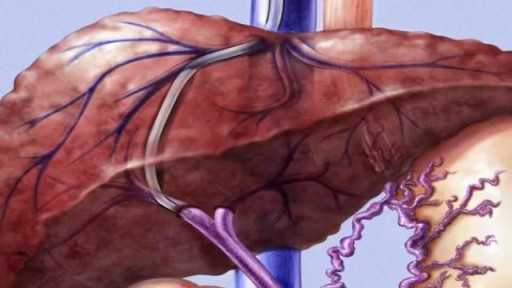 Transjugular Intrahepatic Porto-Systemic Shunt!1,685 views
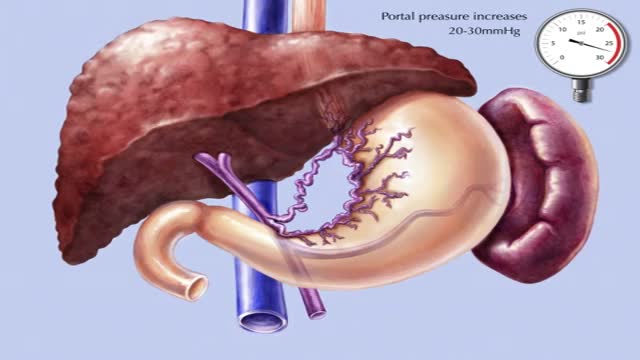 Transjugular Intrahepatic Porto-Systemic Shunt1,646 views
Guide
What it is
STEMI stands for ST-elevation myocardial infarction: a heart attack in which a coronary artery becomes suddenly and completely blocked, usually when a fatty plaque ruptures and a clot forms on it. The full thickness of the heart wall in that region is starved of blood, and the ECG shows it quickly and characteristically. STEMI is the heart attack type where minutes matter most, and its ECG pattern is the trigger for emergency treatment to reopen the artery. It is named after the part of the tracing that changes: the ST segment.
What the tracing shows
The hallmark is ST elevation: the ST segment rises at least 1 millimetre above the baseline in two or more neighbouring leads — leads viewing the same region of the heart — with higher thresholds used in the chest leads V2 and V3. The raised segment often looks domed or straightened, like a tombstone in severe cases. Leads viewing the opposite side of the heart may show the mirror image, ST depression, called reciprocal change, which strengthens the diagnosis. Over hours to days, the pattern evolves: T waves invert and Q waves — deep initial dips — may appear, marking muscle that has been damaged.
What it can mean
A STEMI pattern triggers an emergency pathway. The priority is opening the blocked artery as quickly as possible, usually by emergency angioplasty — a balloon and stent passed through a wrist or groin artery — because heart muscle dies with every delay. Blood tests confirming heart-muscle injury follow, but treatment does not wait for them when the ECG and symptoms are convincing. Not every raised ST segment is a STEMI: inflammation around the heart and some normal variants can look similar, which is why clinicians weigh the shape of the elevation, the symptoms, and reciprocal changes together.
When it is urgent
A STEMI is one of the clearest emergencies in medicine. If you have crushing or heavy central chest pain lasting more than a few minutes, pain spreading to the arm, neck, or jaw, breathlessness, sweating, or nausea, call emergency services immediately — do not drive yourself, and do not wait to see if it passes. In hospital, the goal is to reopen the artery as fast as possible; time is heart muscle. If an ECG report mentions ST elevation, it will already have been acted on urgently by the team who recorded it.
Common questions
What does STEMI stand for?
STEMI stands for ST-elevation myocardial infarction — a heart attack in which the ECG shows the ST segment raised in neighbouring leads, usually because a coronary artery is completely blocked.
How much ST elevation counts as a STEMI?
The standard is ST elevation of at least 1 millimetre in two neighbouring leads, with higher thresholds used in the chest leads V2 and V3. Clinicians apply the exact criteria together with symptoms and blood tests.
How is a STEMI treated?
The main treatment is opening the blocked artery as fast as possible, usually with emergency angioplasty and a stent, or with clot-dissolving medicine where angioplasty is not available in time.
Does ST elevation always mean a heart attack?
Not always. Pericarditis (inflammation around the heart), some normal variants, and other conditions can also raise the ST segment. That is why the pattern is read with symptoms, blood tests, and the shape of the elevation.
More in Heart Attack & Ischemia Patterns
Related
Sources
- Heart Attack (MedlinePlus)
- Heart attack (NHS)
- Electrocardiogram (ECG or EKG) (American Heart Association)
- About Heart Disease (CDC)
This guide is general information, not medical advice, and does not replace advice from your own clinician. ECG patterns should always be interpreted in context by a trained professional. If you have chest pain, severe breathlessness, fainting or a racing heartbeat that will not settle, seek urgent medical care. STEMI is an emergency diagnosed and treated in hospital; if you have symptoms of a heart attack, call emergency services immediately.